The difference between a good Spain trip and a transformative one is almost always decided before anyone gets on the plane. I learned this the hard way. My first group arrived in Toledo curious but unprepared, and I spent the first two days explaining context that should have been settled at home. By the time they understood where they were standing, we were already halfway through the trip.
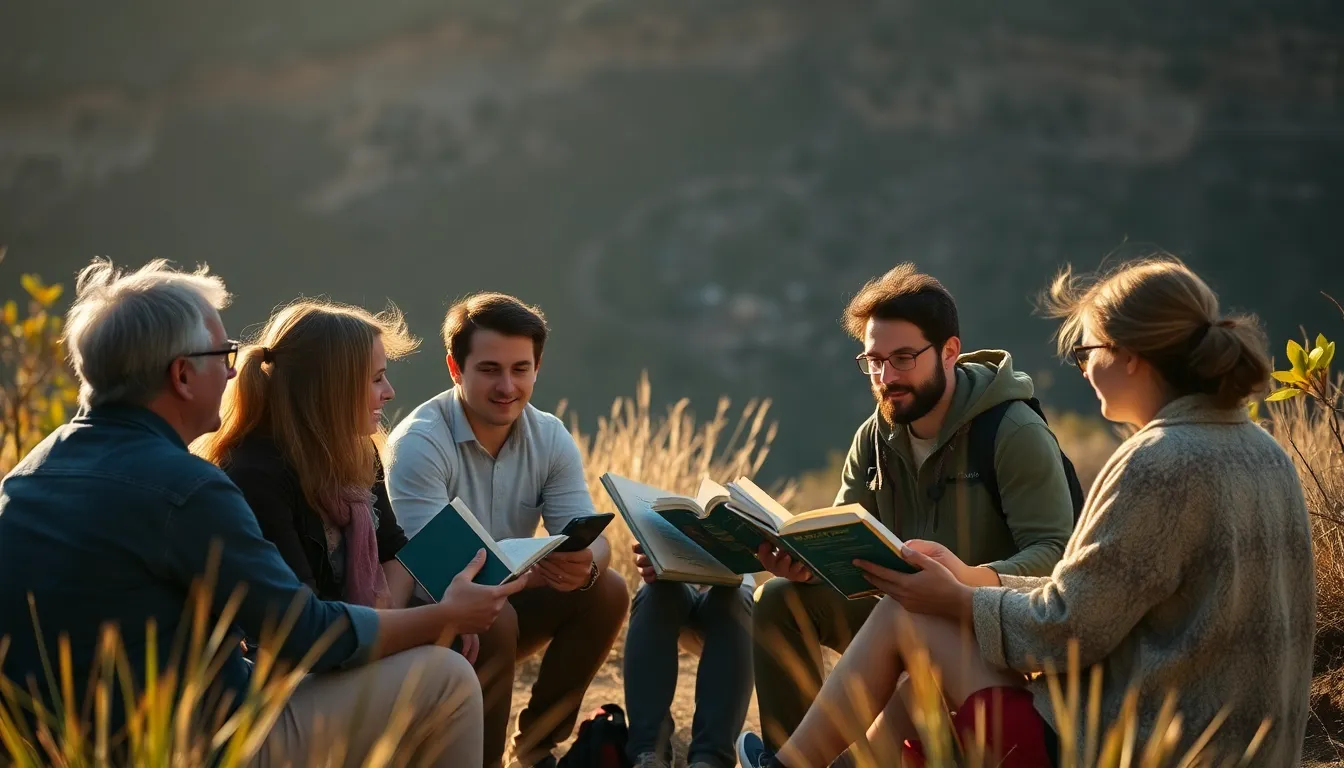
Now I treat the months before departure as part of the pilgrimage, not the warm-up to it. A group that has read together, prayed together, and asked questions together before the trip arrives ready to be moved. They are not tourists figuring out why a building matters. They are pilgrims who already know, and who have come to feel it in their bodies.
Here is how I prepare a group spiritually for Spain, and what I would tell any rabbi or pastor leading their first one.
Why Spain Specifically Needs Spiritual Preparation
Some destinations carry their meaning on the surface. You stand at the Western Wall and the weight is immediate. Spain is quieter and more layered. The Jewish quarter in Toledo does not announce itself. The synagogue that became a church and kept its Hebrew inscriptions does not explain its own heartbreak. The convivencia, the centuries when Jews, Christians, and Muslims lived in the same cities, and the expulsion that ended it, these are stories you have to carry in before the stones can speak.
That is the core of why preparation matters here. Spain rewards the prepared. A group that knows the arc of Sephardic history, that has sat with the meaning of 1492, that understands what was built and what was lost, will stand in the Tránsito Synagogue and feel something a busload of unprepared visitors will walk right past.
Start With the Story, Not the Itinerary
When I begin preparing a group, I do not start with hotels or packing lists. I start with the story we are walking into.
For a Jewish group, that means Sephardic history. Where the community came from, how it flourished under Muslim and then Christian Spain, the golden age of poetry and scholarship, and the expulsion of 1492. I want my people to know names. Maimonides in Cordoba. Judah Halevi. The families who left rather than convert, and the conversos who stayed under a shadow. When you know the names, the cities stop being museums.
For a Christian group, the story runs differently but just as deep. The Camino de Santiago and the centuries of pilgrims who walked it. The Reconquista and the cathedrals built in its wake. Montserrat and its place in Catalan devotion. And the harder parts too, the Inquisition, the cost of forced uniformity, because honest preparation does not skip the difficult chapters.
For a group that holds both, the convivencia itself becomes the study, the question of how communities shared cities and what it meant when that ended. If interfaith reflection is central to your trip, our guide on co-leading an interfaith heritage trip to Spain goes deeper into how to frame that together.
A Simple Pre-Trip Study Plan That Works
You do not need a seminary syllabus. You need a rhythm your community can actually keep. Here is the shape I use, adjusted to whatever fits your congregation’s life.
Three months out: one gathering on history. A single session that lays out the arc. Where we are going, what happened there, why it matters to us. I keep it to ninety minutes and leave room for questions, because the questions tell me what my group is hungry for.
Two months out: a shared reading. I pick one accessible book or a short set of readings and ask everyone to move through them on their own timeline. Not academic tomes. Something that brings the period alive. Then we gather to talk about it.
One month out: a session on meaning. This one is less about facts and more about the heart. What are we hoping to encounter? What do we carry into this? For a faith community, this is where the trip becomes a pilgrimage rather than a vacation.
The week before: a sending. A short gathering, a blessing, a prayer for the journey. It marks the threshold. People arrive at the airport already feeling that something has begun.
This rhythm is light enough that busy people can keep it, and structured enough that the group arrives genuinely prepared.
Readings and Resources I Recommend
I will not hand you a rigid list, because the right readings depend on your community and your focus. But here is how I choose.
I look for accessible history over dense scholarship. I want my eighty-year-old congregant and my college student to both finish the book. I pair history with a primary voice when I can, a poem from the golden age, a firsthand account of the expulsion, a pilgrim’s diary from the Camino, because a single primary source does more emotional work than three textbooks.
For Jewish groups, I lean into Sephardic poetry and the history of the expulsion. For Christian groups, I lean into pilgrimage writing and the spiritual literature of the Camino. For both, I add a shared piece on the convivencia so everyone is standing on common ground.
And I always include a map. A simple one. I want people to be able to picture Toledo, Cordoba, and Granada in relation to one another before they ever see them. Geography is part of the story.
Prepare the Heart, Not Just the Mind
Facts get a group ready to understand. They do not get a group ready to be moved. The deeper preparation is interior, and it is the part clergy are uniquely equipped to lead.
I ask my groups to come with a question. Not a trivia question, a real one. What am I looking for on this trip? What in my own faith or history am I trying to touch? People who travel with a question travel differently. They notice more. They sit longer. They are changed more.
I also prepare them for grief, gently. A Spain heritage trip includes loss, the expulsion, the forced conversions, the synagogues that became churches. A group that has been told in advance that they may feel sorrow in certain places handles those moments with grace instead of being blindsided. Naming it ahead of time is a kindness.
And I prepare them for the practical reality of traveling as a faith group, because logistics shape the spirit too. Knowing how we will handle dietary needs across the group and how we will keep everyone included across mixed mobility lets people relax into the journey instead of worrying. A calm group is a receptive group.
Bring the Preparation Into the Trip Itself
The work you do before departure should not stop at the gate. I carry it onto the ground.
I build short reflections into the itinerary. A reading at the door of a synagogue. A prayer at a mountaintop monastery. A few minutes of silence in a place that deserves it. Because we studied together, these moments land. The group recognizes what they are seeing. The preparation and the place meet.
I also leave room for the group to talk. An evening gathering after a heavy day, where people share what moved them, turns individual experiences into a shared one. That is what makes a heritage trip a community event rather than forty separate vacations taken at the same time.
If you want help shaping an itinerary that leaves room for this kind of reflection, our Spain heritage tour planning guide covers how to build pace and depth into the schedule from the start.
FAQ: Preparing a Group for a Spain Pilgrimage
How far in advance should we start spiritual preparation?
Three months out is a comfortable rhythm for most congregations. That gives you time for a history session, a shared reading, a session on meaning, and a sending gathering before departure, without overloading busy people. If your community studies together regularly, you can start earlier and go deeper. The point is steady preparation, not a single cram session.
Do participants really need to do pre-trip reading?
It changes everything. Spain’s heritage is layered and quiet, and unprepared visitors walk past meaning they cannot see. A group that has read the history together arrives ready to be moved rather than spending the first days getting oriented. You do not need dense scholarship, just one accessible book or a short set of readings everyone shares.
What if my group has a wide range of knowledge and backgrounds?
That is normal and manageable. Choose readings accessible to your least familiar member, and let the more knowledgeable participants enrich the discussions. A shared piece on the convivencia gives a mixed group common ground. The goal is not to make everyone an expert, it is to make sure everyone arrives standing on the same story.
How do I prepare people emotionally for the harder history?
Name it in advance. A Spain heritage trip includes real loss, the expulsion, the forced conversions, the synagogues that became churches. Telling your group ahead of time that they may feel grief in certain places lets them meet those moments with grace instead of being caught off guard. Clergy are well suited to lead this, and it is one of the most valued parts of the preparation.
Can spiritual preparation continue during the trip itself?
Yes, and it should. Build short readings, prayers, and moments of silence into the itinerary at the sites that deserve them, and leave time for the group to gather in the evenings to share what moved them. Because you prepared together, these moments land deeply and turn the trip into a shared community experience rather than parallel individual vacations.
If you are starting to think about how to prepare your community for Spain, I would be glad to help you shape the study and the journey together. Take a look at our Spain heritage tours and our group heritage tours, then reach out whenever you are ready to begin.