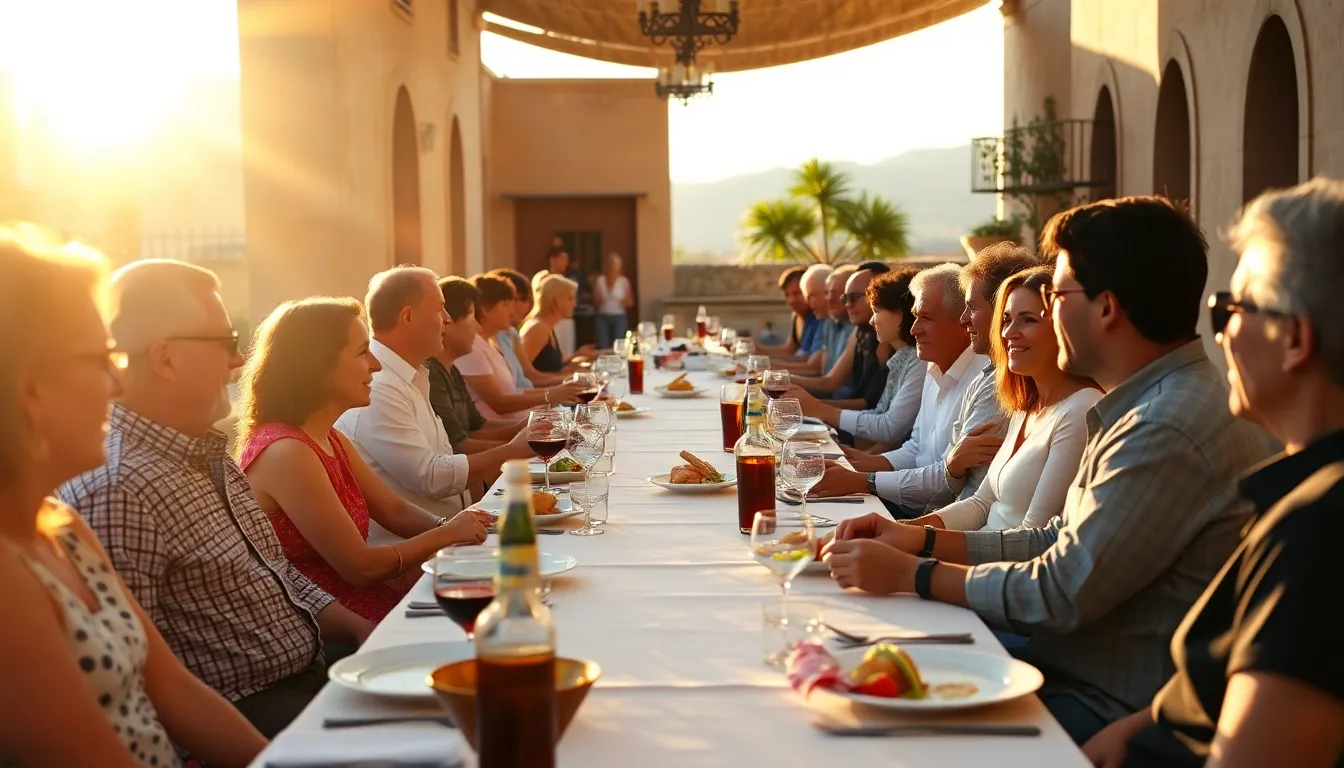
I will never forget the first time I watched a congregant sit in front of an empty plate while the rest of the group ate. She kept kosher, the restaurant had not been told, and there was nothing on the table she could eat. She smiled through it, said she wasn’t hungry, and I felt the failure in my chest for the rest of the trip. That was the moment dietary planning stopped being an afterthought for me and became one of the first things I settle on any Spain trip.
A heritage group is not a uniform group. On a single Spain trip I might have congregants who keep strict kosher, members who eat halal, people managing celiac disease or severe allergies, diabetics watching every meal, and vegetarians who simply prefer it. Feeding all of them well, in a country that is not built around any of those needs by default, takes planning. But it is entirely doable, and when it is done right, nobody at the table ever feels like a problem to be solved. Here is how I handle it.
Understand What Spain Actually Offers
Let me set realistic expectations, because false assumptions cause most of the trouble.
Spain is not Israel. Kosher infrastructure exists, but it is concentrated. Madrid and Barcelona have kosher restaurants, kosher caterers, and Jewish community resources. Outside those cities, in Toledo, Cordoba, Granada, the kosher options thin out fast and often disappear entirely. This does not mean a kosher group cannot travel the heritage corridor. It means the kosher meals in those smaller cities have to be arranged in advance, sometimes brought in or catered, rather than found on arrival.
Halal is somewhat easier in practice, partly because of Spain’s own history and partly because halal-friendly options overlap with a lot of standard Mediterranean cooking. Still, halal certification is not universal, and assuming is risky. It also needs to be confirmed ahead of time.
Medical diets, celiac, severe allergies, diabetic needs, are a different category entirely, because the stakes are health rather than observance. Spanish kitchens are generally willing to accommodate, but cross-contamination awareness varies, and the language barrier can turn a careful request into a dangerous misunderstanding.
The common thread across all three: advance planning is not optional. It is the whole game.
Gather the Real Picture Before You Book
The mistake I see first-time leaders make is asking their group a vague question like “any dietary restrictions?” and getting vague answers back. You need specifics, and you need them early.
When I open registration, I ask every participant to tell me, in writing, exactly what they need. Not “I’m kosher,” but how strict. Glatt? Will they eat dairy or vegetarian meals out, or do they require fully supervised kosher food at every meal? Not “I have allergies,” but which allergens, and how severe, anaphylaxis or discomfort. I ask diabetics about meal timing. I ask whether vegetarians eat fish.
I write all of it down in one place, and I share the summary with my operator at the planning stage, not after the itinerary is locked. The earlier the operator knows the real picture, the more they can build the trip around it instead of patching it later. A good heritage operator handles this proactively, and you should expect them to. Our Spain group tour planning guide covers what else to settle in that first planning conversation.
How I Handle Kosher Across the Corridor
Kosher is usually the most demanding need on a Spain heritage trip, so I plan it first and let the rest fit around it.
In Madrid and Barcelona, I lean on the existing kosher infrastructure. We eat at kosher restaurants where they exist, and the group enjoys it. In the heritage cities where kosher dining is not available, I work with the operator to arrange catered kosher meals brought in, or sealed kosher meal solutions, coordinated ahead of time with the local Jewish community or a kosher caterer. This is standard practice for experienced operators. It is not improvised.
I am also honest with my kosher travelers about the rhythm. Some meals will be in a restaurant, some will be catered, and the variety is not always what they would get at home. Setting that expectation in advance keeps everyone relaxed. What they care about most is that they will always have a proper meal and never be the person staring at an empty plate. That promise, kept, is what matters.
For groups traveling around Jewish holidays, kosher planning gets more involved, and the lead time stretches. If your trip touches a holiday, raise it at the very start.
Halal, Vegetarian, and Plant-Based Needs
Halal travelers usually have an easier time in Spain than kosher travelers, but easier is not automatic. I confirm halal options at each stop in advance rather than assuming. Where certified halal is not available, many of my Muslim travelers are comfortable with vegetarian or seafood meals, but that is their decision to state, not mine to assume. I ask, and I record the answer.
Vegetarians and plant-based eaters are the simplest group to accommodate in Spain, with one caveat: traditional Spanish cooking uses pork and ham widely, often in dishes that look meat-free. A “vegetable” dish may be cooked with ham. I make sure the operator flags genuinely vegetarian options at each meal so my plant-based travelers are not picking around hidden ingredients.
The principle across all of these is the same. State the need clearly, confirm it in advance at every stop, and never assume that a cuisine will accommodate a need it was not built around.
Medical Diets Are a Safety Issue, Not a Preference
I treat celiac disease, severe allergies, and diabetes differently from religious observance, because a mistake here is a medical event, not a disappointment.
For these travelers, I do three things. First, I get the specifics in writing and share them directly with the operator and, where it helps, the kitchens. Second, I carry translated allergy cards, clear written statements in Spanish that a traveler can hand to any server, so the request survives the language barrier. A printed card that says exactly what someone cannot eat, in Spanish, prevents the misunderstandings that polite verbal requests do not. Third, I make sure anyone with a serious allergy carries their own medication and that I know who they are and what they need in an emergency.
This is also where mobility and medical needs overlap on a heritage trip, and planning them together makes everything smoother. Our guide on handling mixed mobility across a Spain group pairs naturally with dietary planning, because the same advance care keeps the same travelers comfortable and safe.
Make the Table a Place of Belonging
Here is the part that is easy to miss in all the logistics. The goal is not just that everyone gets fed. The goal is that nobody feels singled out.
I never make a dietary need a spectacle. The kosher meal arrives without announcement. The gluten-free plate looks like a meal, not a penalty. When I plan well, the person with the special meal is just another person enjoying dinner with the group. That quiet dignity is the whole point. A heritage trip is about belonging to a shared story, and the dinner table is where that belonging gets built or broken every single night.
When I get this right, the empty plate from my first trip never happens again. Everyone eats, everyone belongs, and the food becomes part of the fellowship instead of a barrier to it.
FAQ: Dietary Needs on a Spain Heritage Group Trip
Can a kosher group really travel the Spain heritage corridor?
Yes, with advance planning. Madrid and Barcelona have kosher restaurants and caterers, while in heritage cities like Toledo, Cordoba, and Granada kosher meals are arranged ahead of time through catering or sealed kosher solutions coordinated with the local Jewish community. It is standard practice for experienced operators. The key is settling it at the planning stage, not on arrival, and being clear about how strict each traveler’s kosher requirement is.
How do I collect dietary information from my group?
Ask for specifics in writing when registration opens. Vague questions get vague answers, so instead of “any restrictions?” ask how strict the kosher or halal need is, which allergens and how severe, whether vegetarians eat fish, and how diabetics manage meal timing. Compile it all in one place and share it with your operator early, before the itinerary is locked, so the trip can be built around the real picture.
Is halal food easy to find in Spain?
Easier than kosher in many cases, but not automatic. Certified halal is available in larger cities and some smaller ones, and halal-friendly options overlap with standard Mediterranean cooking, but it should be confirmed in advance at each stop rather than assumed. Many Muslim travelers are comfortable with vegetarian or seafood meals where certified halal is not available, but that is each traveler’s choice to state.
What about severe allergies or celiac disease?
Treat these as safety issues, not preferences. Get the specifics in writing, share them with the operator and kitchens, and carry translated allergy cards in Spanish so the request survives the language barrier. Make sure anyone with a serious allergy carries their own medication, and that you know who they are and what they need in an emergency. Spanish kitchens generally accommodate well when the request is clear and written.
Will travelers with special diets feel singled out at meals?
Not when it is planned well. The aim is that the kosher meal, the gluten-free plate, or the halal option arrives without fuss and looks like a proper meal, so the person enjoying it is simply part of the table. That quiet dignity is the goal. A heritage trip is about shared belonging, and good dietary planning makes the dinner table a place where everyone belongs rather than a nightly reminder of difference.
If you are planning a Spain trip for a group with mixed dietary needs and want to make sure everyone is fed well and feels included, I would be glad to help you think it through. Explore our Spain heritage destination and our group heritage tours, then reach out and we can plan the table together.