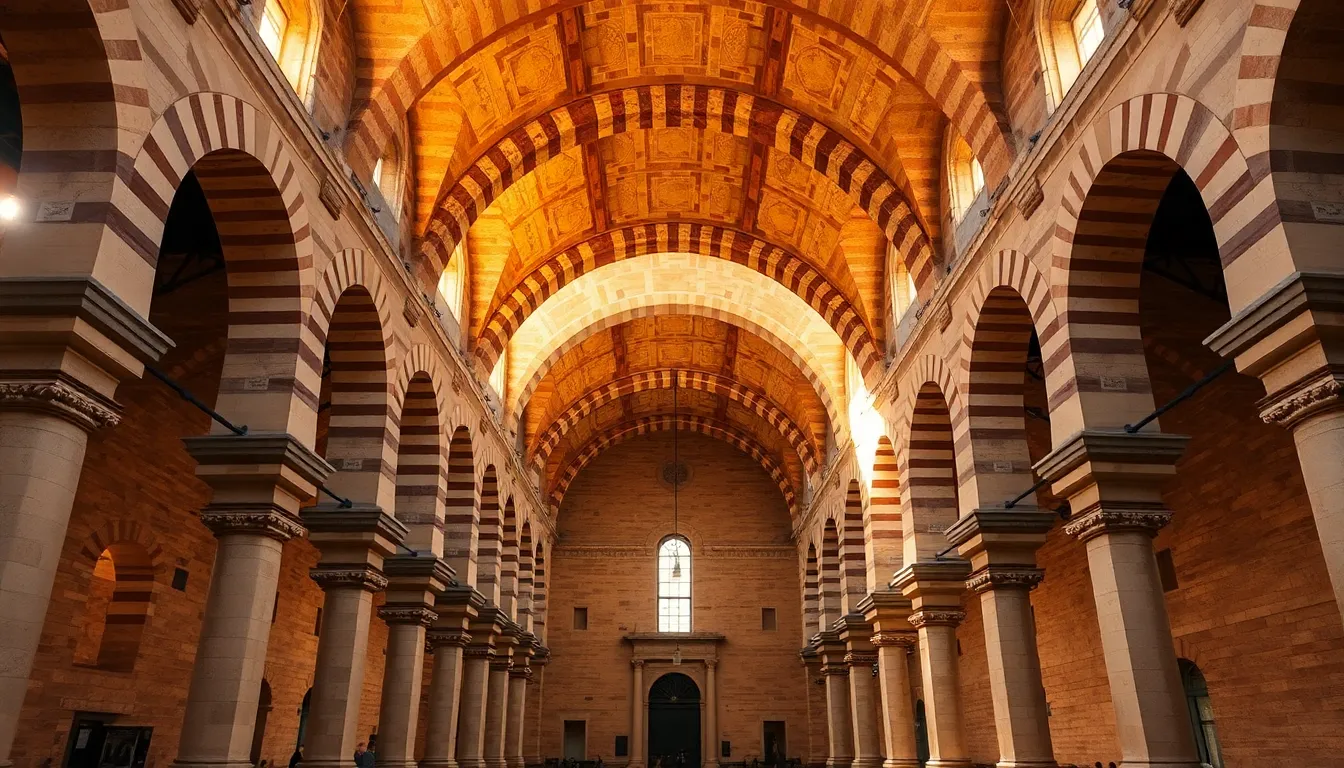
There is a moment inside the Mezquita in Cordoba when most people stop talking. You walk in from the bright courtyard, your eyes adjust, and suddenly you are standing inside a forest of red and white arches that seems to go on forever. I have watched whole groups fall silent at that threshold. It happens almost every time. Cordoba has a way of disarming people before you have said a word about its history.
I have been leading faith communities through southern Spain for over twenty years, and Cordoba is one of the cities I most look forward to. In its prime it was one of the largest and most learned cities in the world, a place where Muslim, Jewish, and Christian scholars shaped knowledge that flowed into the rest of Europe. The heritage here is dense and close together, all of it within easy walking distance in the old quarter. Let me orient you to the three layers and what your group needs to know.
Why Cordoba Mattered to the Medieval World
In the 10th century, Cordoba was the capital of Al-Andalus and arguably the most advanced city in Western Europe. It had paved streets, public baths, libraries, and a level of scholarship that drew students from across the continent. Under Muslim rule, for long stretches, Jewish and Christian communities lived, worked, and contributed alongside their Muslim neighbors. This was the period of convivencia, a coexistence that was real, productive, and, in the end, fragile.
For a heritage group, Cordoba matters because it is one of the clearest surviving windows into that world. The architecture and the streets still hold the shape of a city where three faiths lived in close quarters. It was not utopia. There were periods of persecution and real violence. But the achievements of that era are still standing, and a community can reflect on both the promise and the limits of coexistence in the same afternoon.
The Moorish Layer: The Mezquita
The Mezquita is the reason most people come to Cordoba, and it deserves the reputation.
Construction of the Great Mosque began in the late 8th century and continued in stages over the next two hundred years. The result is the hypostyle hall, that famous expanse of double-tiered arches built from recycled Roman and Visigothic columns, striped in red brick and white stone. The mihrab, the prayer niche, is covered in gold mosaic work that Byzantine craftsmen helped create. Standing in that hall, you are inside one of the great achievements of Islamic architecture anywhere in the world.
After Christian forces took Cordoba in 1236, the mosque became a cathedral. In the 16th century, a Renaissance nave was built directly into the center of the arch hall. The result is genuinely unusual: a Christian cathedral sitting inside a Muslim mosque, both fully present, neither erased. Today it is officially the Mosque-Cathedral of Cordoba. I always tell groups to slow down here, because this single building physically holds the whole story of Spain in its columns and arches.
The Jewish Layer: The Synagogue, the Juderia, and Maimonides
Cordoba’s Jewish quarter, the Juderia, wraps around the area just north and west of the Mezquita. It is a maze of whitewashed lanes, flower-filled patios, and small squares, and it is one of the most atmospheric Jewish quarters in Spain.
The Synagogue of Cordoba
Tucked into a quiet street is the Synagogue of Cordoba, built in 1315. It is small, a single modest room, but it is one of only three medieval synagogues still standing in all of Spain, and the only surviving one in Andalusia. The upper walls carry delicate Mudejar stucco work and Hebrew inscriptions, including verses from the Psalms. After the 1492 expulsion it was used for other purposes for centuries, which is part of why it survived at all. It is small, but for a Jewish heritage group it is deeply moving precisely because so little else from that community remains.
Maimonides
Cordoba was the birthplace of Moses Maimonides, the Rambam, born here in 1138. He was a physician, philosopher, and one of the most important rabbinic figures in Jewish history. His family eventually fled persecution and he did his greatest work elsewhere, but Cordoba claims him proudly. There is a statue of Maimonides in the Plaza de Tiberiades, in the heart of the Juderia, and groups often gather there. For a rabbi, standing in the streets where the Rambam was born is a genuine high point of any Spain itinerary.
The Christian Layer: Beyond the Cathedral
The Christian heritage of Cordoba runs through the Mezquita-Cathedral, but it does not stop there.
The Alcazar de los Reyes Cristianos, the fortress-palace of the Christian monarchs, is worth a visit both for its history and its gardens. This is where Ferdinand and Isabella met Christopher Columbus, and where they directed part of the long campaign that ended Muslim rule in Spain. The terraced gardens, with their pools and fountains, draw clearly on the Moorish tradition of garden design, another example of the layering that defines this city.
Throughout the old town you will also find smaller churches, many built on the sites of earlier mosques, carrying the same Mudejar fingerprints you see across Andalusia. For a pastor, Cordoba offers a chance to trace how Christian Spain absorbed and built upon what came before it.
Planning Your Group’s Visit to Cordoba
A few practical things I tell every group leader.
First, Cordoba is compact, and that is a gift for group travel. The Mezquita, the synagogue, the Juderia, and the Alcazar are all within comfortable walking distance of one another. A focused full day covers the essentials well, though an overnight lets you experience the old quarter in the early evening when the day crowds have gone and the patios are lit.
Second, the Mezquita gets busy. I strongly recommend booking timed entry in advance and, where possible, visiting early in the day. Some operators can arrange early access before the general crowds. A good local guide will sequence your day so you are not standing in long lines.
Third, timing the season matters here more than almost anywhere in Spain. Cordoba in summer is one of the hottest cities in Europe, regularly pushing past 40 degrees Celsius in July and August. For a mixed-age group, that heat is not just uncomfortable, it can be genuinely dangerous. Spring and autumn are far better. Early May, when the city holds its famous patio festival, is especially beautiful, though it is also busy.
Fourth, Cordoba pairs naturally with Toledo and Granada to form a strong Sephardic and Al-Andalus itinerary. You can read more about building that route in our full Spain guide.
A heritage tour is not a standard sightseeing trip, and the right operator makes the difference. At Heritage Tours, we build every itinerary around what matters to your specific community, and with 15 or more participants, the group leader travels free.
If Cordoba belongs in your community’s journey, I would love to help you plan it. Start with our Spain heritage travel guide, or look at the nearby Granada heritage guide and Seville heritage guide to see how an Andalusian route comes together. You can also explore the wider Spain destination and our group heritage tours.
FAQ: Visiting Cordoba on a Heritage Tour
What is the Mezquita and why is it so significant?
The Mezquita is the Mosque-Cathedral of Cordoba, begun in the late 8th century as a great mosque and converted to a cathedral after 1236, with a Renaissance nave built into its center in the 16th century. It is one of the most important examples of Islamic architecture in the world, and it physically holds both the Muslim and Christian stories of Spain in one building.
Can you visit the Cordoba synagogue, and what should I know about it?
Yes. The Synagogue of Cordoba, built in 1315, is open to visitors. It is small, just a single room, but it is one of only three medieval synagogues still standing in Spain and the only survivor in Andalusia. The Hebrew inscriptions and Mudejar stucco make it deeply meaningful for Jewish heritage groups despite its modest size.
Where was Maimonides born, and can groups see related sites?
Maimonides, the Rambam, was born in Cordoba in 1138. A statue of him stands in the Plaza de Tiberiades, in the heart of the Juderia, where heritage groups often gather. Walking the streets of the Jewish quarter where he was born is a high point for many Jewish communities visiting Spain.
When is the best time of year to visit Cordoba?
Spring and autumn are best. Cordoba is one of the hottest cities in Europe in summer, regularly exceeding 40 degrees Celsius in July and August, which is difficult and even risky for mixed-age groups. Early May is beautiful, with the famous patio festival, though it draws crowds. Aim for April, May, late September, or October.
Do group leaders travel free to Cordoba with Heritage Tours?
Yes. When your group includes 15 or more participants, the group leader travels free on all Heritage Tours itineraries, including any route that features Cordoba. It is our way of honoring the work spiritual leaders put into bringing their communities together.