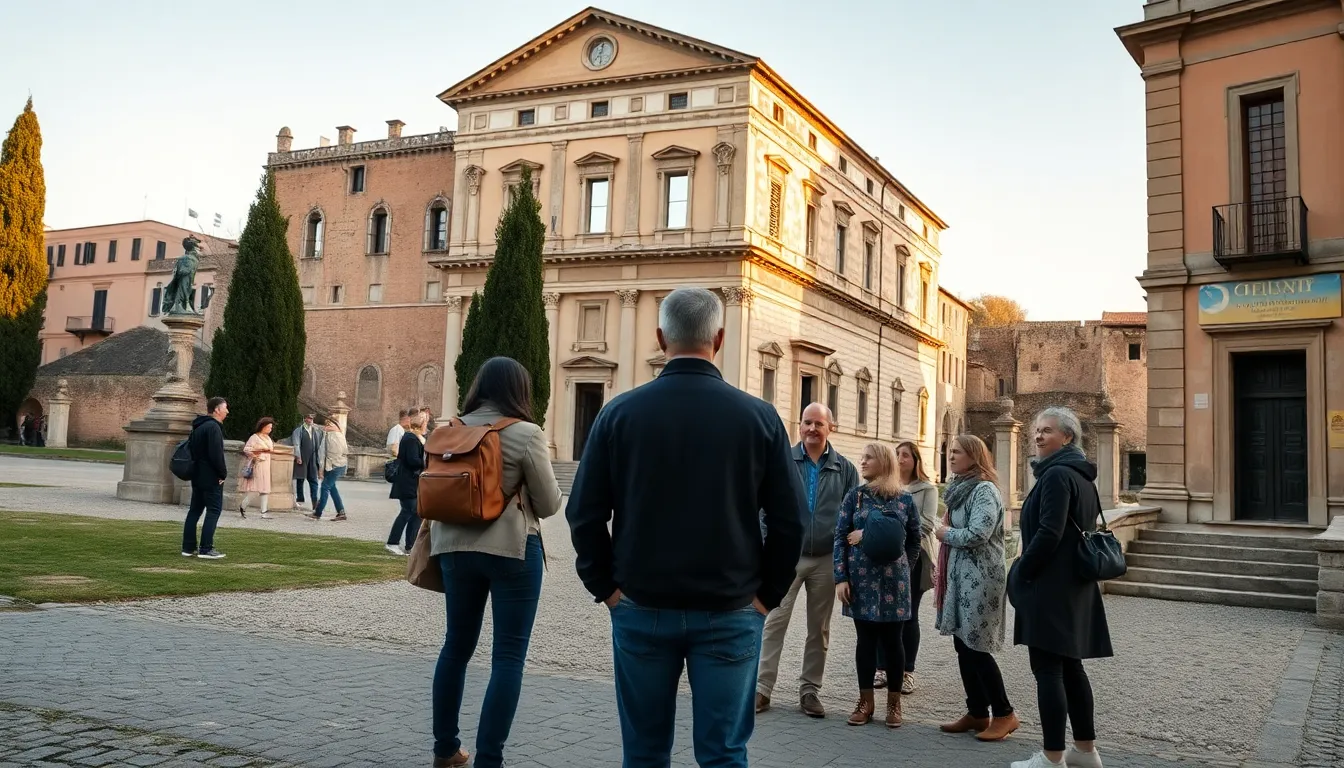
The first time a rabbi I was working with realized his own trip was covered, he went quiet for a second and then said, “So I am not paying for any of this?” I told him no. He had recruited twenty-two people from his congregation, and his flight, his hotel room, his meals, and his site admissions were all included at no cost to him. He had assumed, like most leaders do the first time, that leading the group meant absorbing his own expenses on top of all the work.
I want to take the mystery out of this. The “group leader travels free” rule comes up in almost every first conversation I have, and there is often confusion about what it actually means, where the number fifteen comes from, and whether there is some catch hidden in the fine print. There is not. But the economics are worth understanding clearly, because once you do, the whole financial picture of leading a trip changes for you.
What “Travels Free” Actually Covers
Let me be specific, because vague promises help no one. When you bring fifteen or more paying participants on a Heritage Tours group trip to Italy, your own costs are covered on the same terms your group receives. That means your accommodation, your ground transportation, your included meals, your local guide access, and your site admissions are all part of the package at no charge to you.
International flights work the same way when they are booked through us as part of the group package. If your group is arranging flights independently, then the flight piece is handled separately, but the land portion of the leader’s trip is still covered. We make this explicit in the written quote so there is never a question about what is and is not included.
What this does not mean is a free luxury upgrade or a separate set of perks the group does not get. You travel the way your group travels. If they are in three-star hotels, you are in a three-star hotel. If they are in four-star properties, so are you. The principle is parity, not privilege. You are one of the group, and your costs are carried because of the role you play in making the trip happen.
Where the Number Fifteen Comes From
People often ask why fifteen and not ten or twenty. The honest answer is that fifteen is the point where the group economics work for everyone.
A heritage tour has fixed costs that do not change much whether the group is twelve people or twenty. The local guide costs the same. The coach is often the same vehicle. The site coordination, the planning hours, the logistics on the ground, these are largely the same regardless of the exact headcount within a normal range. When you spread those fixed costs across fifteen or more participants, the per-person price settles into a fair range, and there is enough room in the structure to carry the leader without raising what everyone else pays.
Below fifteen, the math gets tighter. The fixed costs are divided among fewer people, the per-person price climbs, and carrying an additional free traveler would push it higher still. Fifteen is simply the threshold where the model balances. It is not an arbitrary marketing number. It reflects how group travel costs actually behave.
For most congregations, fifteen is also a very reachable number. If you have a community of any real size, fifteen committed travelers is well within reach with enough lead time to share the trip properly. I cover how to get there later in this article.
Why Operators Offer This At All
You might wonder what the operator gets out of covering the leader. It is a reasonable question, and the answer is straightforward.
The group leader is the reason the group exists. You are the one who stands in front of your congregation and says this trip matters. You recruit the participants. You answer their questions. You carry the spiritual and pastoral weight of the experience. You prepare the teaching that turns a series of site visits into a meaningful journey. Without you, there is no group for the operator to serve.
So covering the leader is not generosity for its own sake. It is recognition that the leader’s role is essential, and that asking the person doing all of that work to also pay full price would be both unfair and shortsighted. I have held this view since I started in this work. The person carrying the responsibility should not also be reaching into their own pocket to make the trip happen. If you want it from the pastoral angle, we break down how the free-leader seat works in its own guide.
There is a practical dimension too. A leader who is not worried about their own costs is a better leader on the ground. They are present with their people instead of mentally tallying expenses. That makes for a better trip, which makes for a congregation that wants to travel again. The model serves everyone when it is built honestly.
What About a Second Leader or a Spouse?
This comes up often, and the answer depends on your group size. If your group is large enough, a second complimentary place can sometimes be arranged, often around the thirty-participant mark. A co-leader, an assistant, or a spouse who is helping shepherd the group may qualify depending on the numbers.
If your group is closer to the fifteen threshold, a spouse or second person typically travels as a regular paying participant. That is not a penalty. It simply reflects the same economics that make the first free place possible. I always recommend raising this early in the planning conversation so the arrangement is clear before anyone books. We will tell you exactly what your group size supports, in writing, with no surprises later.
This matters especially for interfaith trips where two clergy lead together. If a rabbi and a pastor are co-leading, the second leader’s place is worth discussing up front. We cover the dynamics of shared leadership in our guide on co-leading an interfaith heritage trip to Italy.
How to Actually Reach Fifteen
The free-leader benefit only matters if you hit the number, so let me share what I have seen work over many years of helping leaders fill groups.
Start with a real conversation, not a flyer. The leaders who fill groups quickly are the ones who speak from genuine conviction about why the trip matters. A printed announcement in a bulletin rarely moves people. A leader standing up and describing what it means to walk through the Rome Ghetto or pray at Assisi does.
Give people enough lead time. A heritage trip is a significant financial and time commitment for a family. People need months to plan, save, and arrange their lives around it. Twelve months of runway lets interest build into commitment. Rushing it is the single most common reason groups fall short.
Offer payment over time. Most congregations spread the cost over several months of payments. When people can pay in manageable installments rather than one large sum, the trip becomes accessible to far more of your community. Ask us about structuring this. It often makes the difference between twelve travelers and twenty.
Lean on the natural anchors. A milestone often pulls a group together, a family bar or bat mitzvah tied to travel, a congregational anniversary, or a study theme your community has been exploring. These give people a reason to commit beyond “it would be nice to go.”
Prepare them for the journey. Groups that feel ready commit more readily. Sharing what the trip involves spiritually, not just logistically, builds the kind of anticipation that turns interest into a deposit. Our guide on preparing your group spiritually for Italy walks through how to do that.
If you are weighing whether your community can realistically reach fifteen, that is exactly the kind of thing worth talking through. The full picture of planning a group trip is laid out in our guide for pastors and rabbis planning a group heritage tour to Italy.
FAQ: How the Free Leader Model Works
Does the group leader really pay nothing on an Italy heritage tour?
With fifteen or more paying participants, the leader’s land costs are fully covered, including accommodation, ground transportation, included meals, local guides, and site admissions. Flights are covered too when booked as part of the group package. The leader travels on the same terms as the group, with no hidden charges. We put the full inclusion list in the written quote.
Why is the threshold fifteen participants and not fewer?
Heritage tours carry fixed costs, the guide, the coach, the planning and logistics, that stay roughly the same across a normal group range. Fifteen is the point where those costs spread fairly across the group, the per-person price settles into a sensible range, and there is room to carry the leader without raising what everyone else pays. Below fifteen, the math no longer supports it.
Can my spouse or a second leader also travel free?
Sometimes, depending on group size. Larger groups, often around thirty participants, can support a second complimentary place for a co-leader, assistant, or spouse. Near the fifteen threshold, a second person usually travels as a paying participant. We will tell you exactly what your group size supports, in writing, before anyone books.
What if I can only gather twelve or thirteen people?
A trip can still run with fewer than fifteen, but the per-person price will be higher and the free-leader benefit may not apply at the same level. We will give you an honest quote for the smaller number, and we will also help you think about whether a bit more lead time could get you over the threshold. Often it can.
Is the free leader place a one-time promotion or a standing policy?
It is a standing part of how we work, not a limited offer. The fifteen-and-up model reflects our belief that the person carrying the responsibility for a faith group should not also bear the cost of the trip. It applies to rabbis, pastors, ministers, educators, and any designated group leader.
If you are wondering whether the numbers work for your community, the best next step is a simple conversation. Tell me about your congregation, your timing, and roughly how many people you think might come. I will give you an honest read on what your group can support and how the economics shake out. If you would rather start by reading, the complete guide for group leaders walks through the whole planning process end to end. Contact us whenever you are ready, and take a look at our group heritage tours to see how the leader experience works.