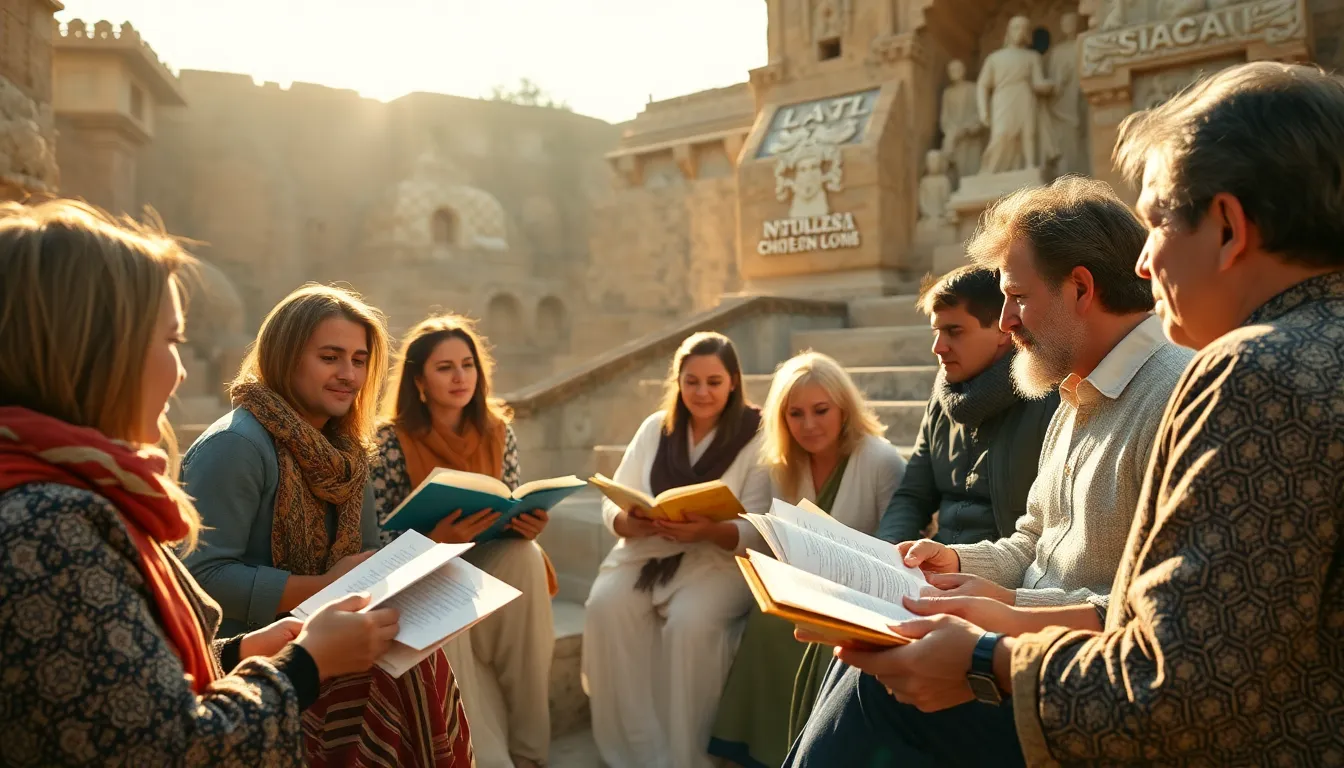
The single biggest difference between a good heritage trip and a transforming one is not the itinerary. It is what your people carry in their hearts when they step off the plane. I have watched two groups visit the exact same sites, the same basilica, the same synagogue, the same stretch of the Appian Way, and have completely different experiences. The difference was almost always preparation.
A group that arrives in Italy having read, prayed, studied, and talked together for weeks beforehand sees more. They feel more. They ask better questions of the guide. They stand in places that would otherwise be just old and beautiful and instead feel the weight of what happened there. The work you do before the trip is, in many ways, the most important leading you will do.
So let me share how I help leaders prepare a group, not the logistics of packing lists and passports, but the spiritual preparation that turns a tour into a pilgrimage.
Why Pre-Trip Preparation Matters More Than You Think
Most people experience a place through the lens they bring to it. Walk into the catacombs of Rome cold, and you see narrow tunnels and old graves. Walk in having spent weeks reading about the early church, about believers who buried their dead in secret and gathered to pray over the bones of martyrs, and the same tunnels become almost unbearably moving. Nothing about the site changed. The visitor changed.
This is the heart of preparation. You are not trying to fill people with facts. A good guide will handle the history on the ground. You are trying to open them, to make them ready to be affected, to give them the context and the spiritual posture that lets a place land deeply.
There is a practical benefit too. A prepared group travels better together. People who have studied together for weeks before departure arrive already bonded. They know each other. They have shared questions and reflections. That cohesion makes the logistics smoother and the group dynamic warmer from day one.
A Pre-Trip Study Plan That Actually Works
I usually suggest beginning formal preparation about eight to ten weeks before departure. That is enough time to build depth without losing momentum. Here is a structure I have seen work across many groups, both Jewish and Christian.
Weeks One and Two: The Big Story
Start wide. Before anyone studies a single specific site, ground the group in the overarching story they are about to enter. For a Christian group, that might be the spread of the early church out of Jerusalem and into the Roman world, the world of Paul, of persecution, of the gradual emergence of the faith into the open. For a Jewish group, it might be the long arc of Jewish life in Italy, one of the oldest continuous Jewish communities in the Western world, stretching back more than two thousand years.
The goal in these early weeks is to give people the frame. Everything they see later will hang on this frame.
Weeks Three Through Six: The Specific Sites
Now go site by site. Each week, take one or two of the places the group will visit and study them in depth. If you are going to Assisi, spend a session on Francis, his radical poverty, his vision, what the basilica frescoes are actually depicting. If you are visiting the Venice Ghetto, study what the word ghetto originally meant, how the community lived under restriction and still flourished, what the five synagogues represent.
This is where you can lean on resources. Our guides on individual destinations are written exactly for this kind of preparation. A leader heading to Rome might use them to build sessions, and our guide for pastors and rabbis planning a group heritage tour to Italy lays out how the sites connect into a coherent journey.
The key in this phase is to connect each site to a spiritual question, not just a historical fact. Do not only teach what happened at a place. Ask what it means. Why does it matter that the faith survived persecution? What does it ask of us today?
Weeks Seven and Eight: Personal Preparation
In the final stretch before departure, shift from the group’s story to each person’s story. Invite people to consider what they are hoping for. What do they want to bring home? What in their own faith feels dry or distant that they hope this journey might touch?
I often suggest people keep a small journal in these last weeks, writing down questions, hopes, even fears. The act of articulating what they are looking for makes them far more likely to find it.
Readings and Practices for the Weeks Before
Beyond formal study sessions, give your group things to do on their own. A few practices I recommend.
Assign readings that match the journey. For a Christian group, the Book of Acts reads completely differently when you know you will soon stand in the places it describes. For a Jewish group, texts about exile, return, and the resilience of community resonate against the backdrop of Italian Jewish history. Choose readings deliberately so the trip and the text speak to each other.
Build in shared prayer or reflection. If your tradition includes communal prayer, dedicate part of it in the weeks before to the journey. Pray for the group, for openness, for safe travel, for the encounter ahead. This sanctifies the trip before it begins.
Talk about expectations honestly. Some people arrive expecting a mountaintop spiritual experience and feel let down when a long travel day is just a long travel day. Prepare people for the ordinary moments too, the waiting, the tiredness, the meal that is just a meal. Pilgrimage is not constant transcendence. It is showing up faithfully and letting the meaningful moments come when they come.
Address the practical so it does not crowd out the spiritual. This is where preparation crosses over into logistics in a helpful way. If people are anxious about food, mobility, or observance, that anxiety will crowd out the spiritual experience. Settle those concerns in advance. Our guide on handling dietary needs across a mixed heritage group in Italy helps you address one of the most common sources of worry, and our overview of how the group leader travels free clears up the financial questions that can distract people right up until departure.
Preparing Different Kinds of Groups
Not every group prepares the same way, and the leader’s discernment matters here.
A group of seasoned travelers and lifelong students of their faith can handle deep textual study and will want it. A group that is newer to this, or that includes many first-time travelers, may need a gentler on-ramp, more story and less analysis, more anticipation and less homework. Read your people.
Intergenerational groups need special thought. If you are bringing teenagers alongside grandparents, the preparation has to reach both. I have seen leaders run parallel tracks, a richer study group for the adults and a more experiential, discussion-based preparation for the young people. Both arrive ready, just differently.
And if yours is an interfaith or mixed group, preparation becomes an act of mutual respect. Each tradition prepares its own people while also learning enough about the other to travel with understanding. That shared preparation often becomes one of the most meaningful parts of the whole experience.
FAQ: Preparing a Group for an Italy Pilgrimage
How far in advance should we start spiritual preparation for an Italy trip?
About eight to ten weeks of focused preparation works well for most groups. That gives enough time to move from the big story, through the specific sites, into personal reflection, without the momentum fading. Lighter awareness can begin earlier, but the intensive study sessions are best concentrated in the final two months before departure.
What should my congregation read before a heritage trip to Italy?
Choose readings that match your itinerary. Christian groups often read the Book of Acts, which comes alive when you will soon visit the world it describes. Jewish groups benefit from texts on exile, community resilience, and the long history of Jewish life in Italy. Pair each site you will visit with a reading that connects to it, so text and place speak to each other.
Do first-time travelers need different preparation?
Yes. First-time travelers and people newer to this kind of journey usually need a gentler approach, more story and anticipation, less heavy textual analysis. Settle their practical worries about food, mobility, and observance early, because unaddressed anxiety crowds out the spiritual experience. Once they feel secure, they open up beautifully.
How do I prepare an intergenerational group spiritually?
Run preparation on two levels when ages span widely. Offer richer study for adults and more experiential, discussion-based preparation for younger participants. Both groups should arrive grounded in the same overarching story, just reached through different doors. The shared anticipation across generations often becomes a meaningful part of the trip itself.
What if some people in my group are not very religious?
Heritage trips reach people wherever they are. Frame preparation around curiosity and connection rather than requiring a particular level of faith. Many people who arrive uncertain find that standing in these places stirs something unexpected. Your job is to open the door, not to measure who walks through it or how.
If you are starting to think about how to ready your community for a journey to Italy, I would be glad to help you shape it. The right preparation depends on who your people are and what they are seeking, and that is a conversation I always enjoy. Contact us when you are ready, or explore our Italy heritage tours and our group heritage tours to see how the experience comes together.