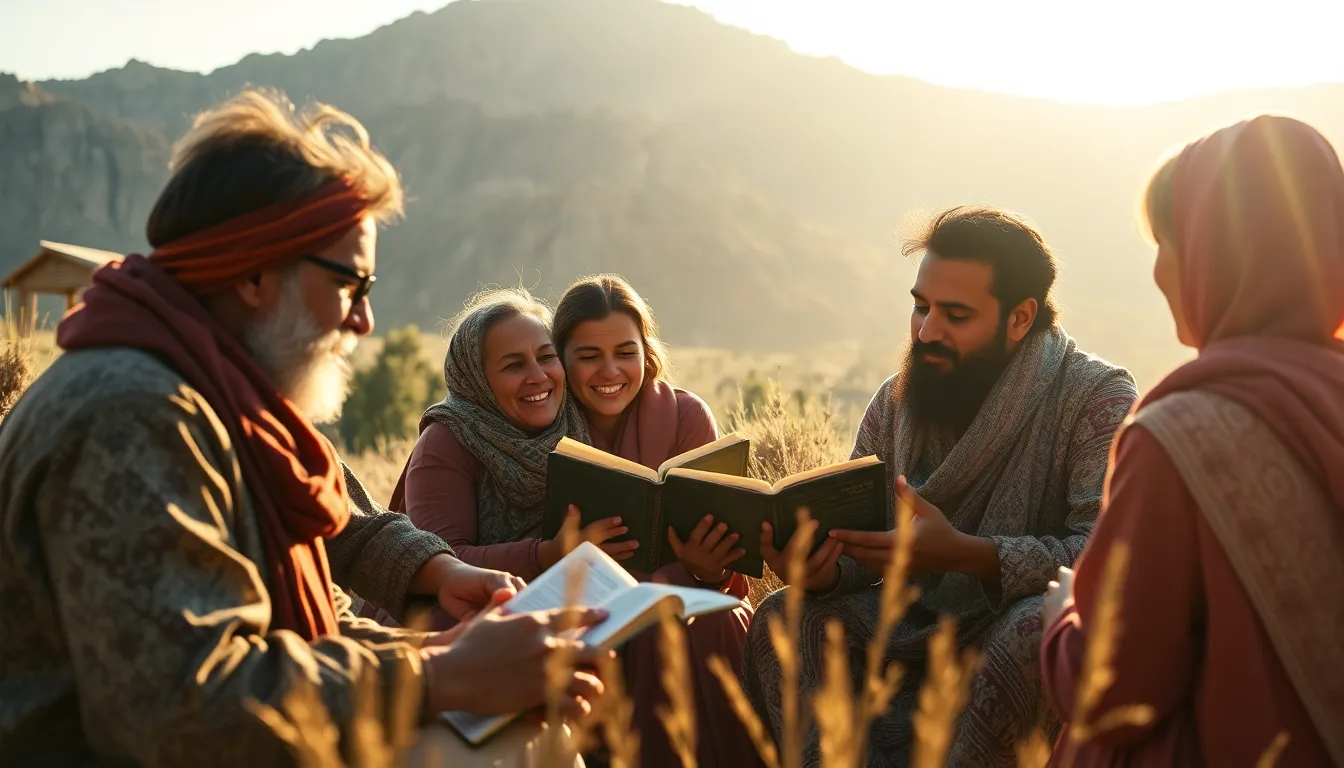
I can tell within the first hour of a trip which groups did the reading. Not because they know more trivia. Because of how they stand at the sites. When a group has spent eight weeks in Acts before they land, Philippi is not a pile of Roman ruins to them. It is the place where Lydia opened her home. They walk in already carrying the story, and the ground just confirms what they have been living with. The groups that skipped the preparation spend the first three days catching up, and they catch up right as the trip ends.
So I want to give you the thing I wish more leaders asked for: a pre-trip preparation plan. This is not about turning your congregation into scholars. It is about making sure that when they stand on Mars Hill or read at the river outside Philippi, the moment lands. After forty years of leading these journeys, I am convinced the preparation is half the trip.
Why Preparation Changes the Trip
A heritage journey works on a simple principle. The place activates the text, and the text gives the place its meaning. If your people do not know the text, the place is just scenery. If they know it well, the place becomes revelation.
Greece is unusually rewarding for this because the texts are specific and the sites are real. Paul named these cities. He wrote letters to them. He was dragged before a magistrate in one of them. When your group has read those passages closely before arriving, the connection between word and stone is immediate. They do not need me to manufacture emotion. It is already there, waiting in the place.
That is why I tell leaders the preparation is their work, not mine. I will guide your people on the ground. But the foundation gets laid at home, in the weeks before departure, in your own community.
A Study Plan Built Around the Route
The cleanest way to prepare for Greece is to study the route in the order you will travel it. Paul’s second missionary journey runs north to south through the country, and Acts 16 through 18 is the itinerary. Walk your group through it in sequence and they arrive already knowing where they are going and why.
Weeks One to Two: The Call to Macedonia
Start before Greece, with the vision at Troas in Acts 16, the man of Macedonia who begged Paul to “come over and help us.” This is where the gospel crosses into Europe. Spend time on what it meant for the mission to step out of Asia. It sets the stakes for everything your group is about to walk.
Weeks Three to Four: Philippi and the First European Church
Move into the rest of Acts 16. Lydia, the seller of purple, baptized at the river. The slave girl. Paul and Silas singing hymns in prison at midnight before the earthquake. Philippians, written later to this same church, pairs beautifully here. When your group reads Acts 16 at the actual riverside, having studied it for two weeks, you will see why I begin every Pauline journey at Philippi.
Weeks Five to Six: Thessaloniki and Berea
Acts 17 opens in Thessaloniki, three Sabbaths in the synagogue and the uproar that followed. Then Berea, the noble-minded who “searched the scriptures daily.” Read First and Second Thessalonians alongside. Berea, in particular, gives you a teaching moment your congregation will carry home: what it means to test what you hear against scripture.
Weeks Seven to Eight: Athens and Corinth
Finish with the Areopagus sermon in Acts 17 and Paul’s eighteen months in Corinth in Acts 18. First Corinthians read on site, in that divided and cosmopolitan city, makes a kind of sense it never quite does in a Sunday school room. By the time your group lands, they have lived the whole arc. The trip then simply confirms it. Our teaching Acts on the road guide goes deeper into reading these passages at the sites themselves.
Adding Revelation for an Island Extension
If your trip includes an extension to Patmos, where John received the Revelation, add a short unit on it. You do not need to teach the whole book. Read Revelation 1, John exiled on the island “for the word of God,” and the letters to the seven churches in chapters 2 and 3. Standing at the Cave of the Apocalypse after reading those opening chapters is one of the quieter, heavier moments a group can share. Prepare for it and it deepens. Skip the preparation and it passes too fast.
Practical Ways to Run the Preparation
The study plan is the spine. Here is how to put flesh on it.
Use Your Existing Rhythms
You do not need a separate program. Fold the route study into your regular Bible study, your small groups, or a sermon series in the weeks before you leave. The travelers get prepared and the rest of your congregation gets taught alongside them, which often grows interest in the next trip.
Hold One or Two Group Gatherings
Bring the travelers together at least once before departure, twice if you can. Read a passage together. Talk about what each person is hoping for. This does two things. It builds the group as a group before they ever board a plane, and it surfaces the quieter members so no one feels like a stranger on day one. Groups that have met beforehand travel better.
Set Expectations About the Pace and the Place
Part of spiritual preparation is practical preparation. Tell your people honestly that this is a journey, not a beach holiday. There is walking on uneven ground. There are early mornings. There are also long, quiet, moving moments they will not want to rush. Naming this beforehand frees them to receive the trip as it actually is.
Assign a Reader for Each Site
This is a small thing that pays off enormously. Before you leave, assign each major site to a different member of your group and ask them to prepare to read the relevant passage aloud when you arrive. It spreads ownership, it draws in people who might otherwise stay quiet, and it means the words come from within the community rather than always from the leader. Some of the most moving moments I have witnessed came from a nervous congregant reading Acts at the spot where it happened.
What Preparation Does for You as the Leader
There is a benefit here for you specifically. A prepared group is a group you can lead into depth instead of spending the trip on basics. You are not explaining who Lydia was at the riverside. You are leading a reflection on what her open home means for your community now. The preparation lifts your role from tour narrator to spiritual guide, which is the role you actually want and the one your people need from you.
If you have not yet shaped the itinerary itself, our guide for pastors and rabbis lays out the route options, and the free group-leader economics guide explains how the leader travels free with fifteen or more.
FAQ: Preparing a Group for a Greece Pilgrimage
How far in advance should we start preparing spiritually?
Begin the study roughly eight weeks before departure. That is enough to walk the route through Acts 16 to 18 in sequence without rushing, and it keeps the material fresh when you arrive. Earlier is fine for the logistics, but the focused study lands best in the final two months.
What should we read before a Pauline trip to Greece?
Acts 16 through 18 is the spine, read in order from the Macedonian call through Philippi, Thessaloniki, Berea, Athens, and Corinth. Pair it with Philippians, First and Second Thessalonians, and First Corinthians, each read alongside its city. Add Revelation 1 to 3 if your trip includes Patmos.
Do all my participants need to be strong in scripture?
No. The preparation is what brings everyone to a shared baseline, and assigning passages to read aloud draws in the quieter members. The goal is not expertise. It is that everyone arrives carrying the story, so the sites mean something when they stand in them.
Should we hold meetings before the trip?
Yes, at least one and ideally two. Reading together and talking about hopes builds the group as a group before departure, surfaces the quieter travelers, and means no one feels like a stranger on the first day. Groups that gather beforehand travel noticeably better together.
How do I keep preparation from feeling like homework?
Fold it into rhythms your community already has, a small group or a sermon series, rather than adding a separate program. Tie each week to a place you will actually stand. When people know they will soon read a passage at the very spot it happened, the study stops feeling like homework and starts feeling like packing.
The groups that prepare are the groups that come home changed. If you are ready to shape a Greece journey for your congregation, you can see how we build these trips on our Greece heritage page or learn how the group experience works on our group heritage tours page.
Contact us whenever you want to start building the itinerary and the study plan together.