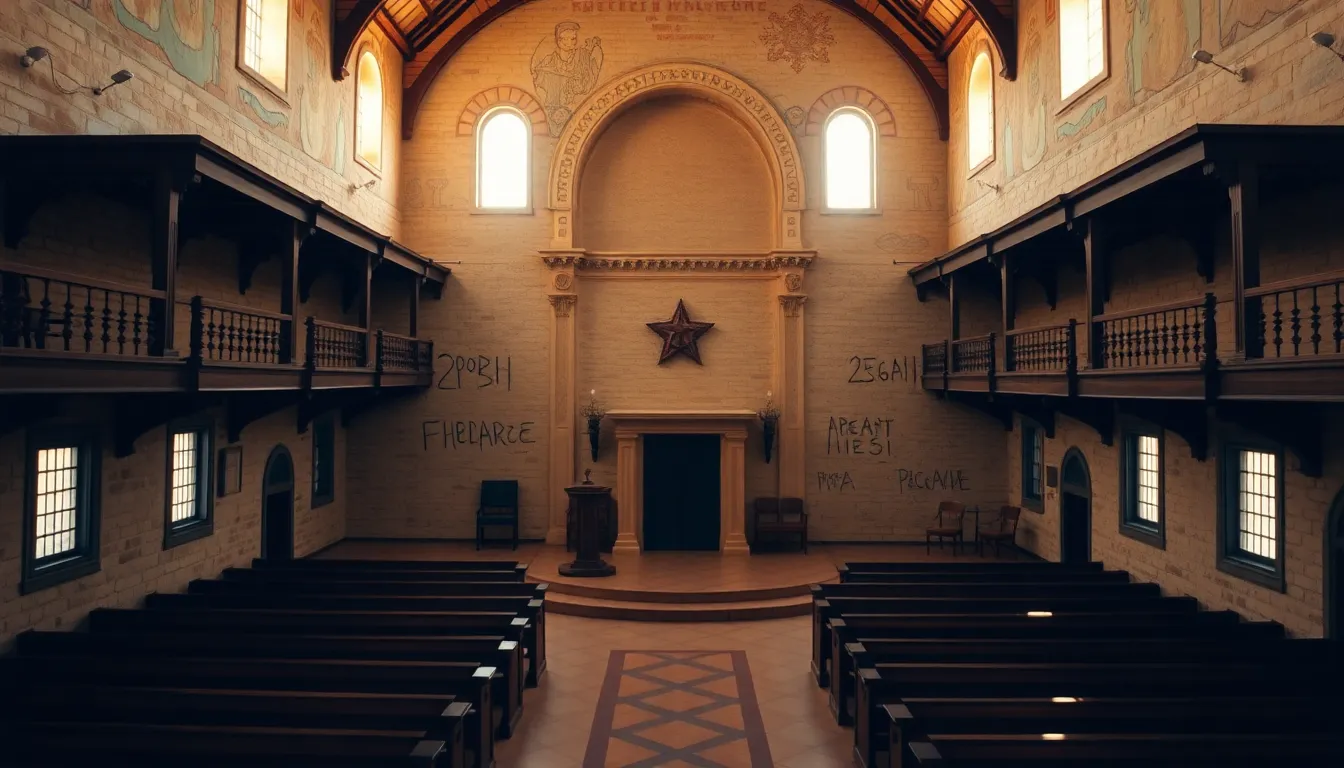
I led a family to Rhodes a few years ago for their son’s bar mitzvah, and I still think about the morning he read from the Torah in the Kahal Shalom Synagogue. The building was finished in 1577. The boy was thirteen. He stood at a bimah where Sephardic Jews had stood for almost four and a half centuries, and his grandfather sat in the front row with his hand over his mouth. When it was over, nobody rushed to leave. That is what a coming-of-age trip to Greece can be, and it is why I keep recommending it to families who want the milestone to mean something beyond a party.
A bar or bat mitzvah is a passage into Jewish adulthood, into responsibility and into history. Most families mark it at home, which is right and good. But a growing number are choosing to anchor the moment somewhere older and larger than the home synagogue, and Greece offers something almost no other destination can: a Jewish world that stretches back more than two thousand years, with synagogues still standing where a child can actually read.
Let me walk you through why Greece works for this, and how to build it well.
Why Greece for a Coming of Age
When a thirteen-year-old understands that Jewish life in Greece predates the expulsion from Spain by more than a thousand years, something shifts. The history stops being a list of dates and becomes a place they have stood in.
Greece holds three distinct Jewish traditions. The Sephardic world of Thessaloniki, once called the Jerusalem of the Balkans. The island Sephardic community of Rhodes, with its walled medieval quarter intact. And the ancient Romaniote tradition of Ioannina, Greek-speaking Jews whose customs developed independently of Spain entirely. For a child stepping into Jewish adulthood, this is a powerful lesson in how wide and how old the Jewish story really is. You can read the full picture in our guide to Jewish heritage in Greece.
A bar or bat mitzvah trip is not the same as a survey tour. The point is not to see everything. The point is to give the child one or two moments they will carry for the rest of their life, surrounded by the people who love them.
Where the Ceremony Itself Can Happen
The question every family asks first is where the actual ceremony can take place. The answer in Greece is more open than people expect, but it requires planning well ahead.
The Kahal Shalom Synagogue in Rhodes
The Kahal Shalom Synagogue, built in 1577, is the oldest synagogue in Greece still in use. During the summer months, services are held for the small remaining community and for visitors. With advance coordination, families have marked bar and bat mitzvahs here. The interior is simple and beautiful, with an elevated bimah and a women’s gallery in the Sephardic tradition.
There is real weight to reading in a room where the community of Rhodes worshipped for centuries before nearly all of them were deported in July 1944. We treat that history with care, and we talk it through with families in advance so a child understands the ground they are standing on.
Synagogues in Athens and Thessaloniki
Athens has an active Jewish community with functioning synagogues, and it is the most straightforward base for a ceremony because flights, hotels, and logistics are simplest there. Thessaloniki, once half Jewish, has the Monastir Synagogue, the only one of more than thirty to survive the war. Use of these spaces depends on coordination with the local community, and that coordination is part of what we handle.
For families who prefer not to tie the ceremony to a specific historic synagogue, a private service led by your own rabbi at a meaningful site works beautifully. Many groups travel with their own clergy, and the location becomes the backdrop rather than the venue.
Building the Trip Around the Child
A good coming-of-age itinerary balances three things: the ceremony, the history, and the simple joy of being in Greece as a family. Lean too far into history and a thirteen-year-old checks out. Lean too far into the beach and the meaning evaporates. The art is in the mix.
Pacing for a Younger Group
Children and teenagers do not absorb sites the way adults do. I plan shorter visits, more movement, and concrete tasks: reading a passage aloud at a memorial, finding a specific detail in a synagogue, talking with someone from the local community. The Square of the Jewish Martyrs in Rhodes, where the names of the deported are inscribed, becomes far more powerful when a young person reads a few of those names out loud rather than just walking past.
Mixing Heritage With Greece Itself
Greece is also islands, sea, food, and light. A trip that pairs a morning in La Juderia, the Jewish quarter of Rhodes, with an afternoon swim is not a compromise. It is how you keep a family engaged across a week. The contrast actually deepens the meaning. The child remembers both, and they remember them together. Our overview of the island Jewish community of Rhodes and the broader history of Greek Jewry can help you decide which threads matter most to your family.
A Sample Shape for the Week
Here is a structure that has worked for families I have guided:
- Days 1 to 2: Arrive in Athens. Settle, walk the old city, visit the Jewish Museum of Greece to set the historical frame gently.
- Days 3 to 4: Fly to Rhodes. Explore the walled city and La Juderia, sit together in the Square of the Martyrs, and prepare for the ceremony.
- Day 5: The bar or bat mitzvah itself, with time afterward for the family to celebrate without a schedule.
- Days 6 to 7: Open time on Rhodes or a short island extension, before returning home.
Seven days is comfortable for a family with a young person. It leaves room for rest, which matters more than people think when emotions are running high.
For multigenerational families, and most of these trips are multigenerational, the pacing has to serve grandparents and children at once. We build the walking, the rest, and the meaningful moments around the actual group you bring.
What This Costs a Family to Lead
One practical detail that changes the math for many families: with Heritage Tours, the group leader travels free when you bring fifteen or more participants. For an extended family marking a milestone together, fifteen is often within reach once you count grandparents, aunts, uncles, and cousins. That can make a dedicated heritage bar or bat mitzvah trip more affordable than families assume.
We plan the logistics, the synagogue coordination, the local community contacts, and the pacing. You and your rabbi shape the spiritual heart of it. That division tends to work well.
FAQ: Planning a Bar or Bat Mitzvah Trip to Greece
Can you actually hold a bar or bat mitzvah ceremony in a Greek synagogue?
Yes, with advance planning. The Kahal Shalom Synagogue in Rhodes, active synagogues in Athens, and the Monastir Synagogue in Thessaloniki have all hosted ceremonies through coordination with the local Jewish communities. Many families also travel with their own rabbi and hold a private service at a meaningful site. We arrange the coordination as part of the planning.
What is the right age and pacing for this kind of trip?
These trips center on a child of bar or bat mitzvah age, typically twelve or thirteen, so we pace for younger participants: shorter site visits, more movement, and active tasks rather than long passive tours. We also balance the historical days with time for swimming, food, and rest, which keeps both children and grandparents engaged across the week.
How long should a coming-of-age trip to Greece be?
Seven days is a comfortable length for a family. It allows two cities, the ceremony itself, an unhurried celebration afterward, and enough rest to keep the emotional moments from feeling rushed. Families who want an island extension or a slower pace add a few days.
Is Greece suitable for a multigenerational family group?
Very much so. Most bar and bat mitzvah heritage trips include grandparents, parents, and children together, and we build the walking, rest, and meaningful moments around that mix. The shared experience across three generations is often what families value most.
How do we handle the difficult history with a young person?
We prepare families in advance and treat the loss themes with dignity. Sites like the Square of the Jewish Martyrs in Rhodes are introduced gently, often through a child reading a few names aloud, which makes the history personal without overwhelming them. Your rabbi sets the tone, and we support it.
If you are a rabbi or a parent imagining this milestone for a young person in your family or community, I would be glad to help you shape it. The combination of an ancient Jewish world, a living synagogue, and a child stepping into adulthood is rare, and it stays with people for life. You can see how we plan these journeys on our Greece heritage page or learn how the group experience works on our group heritage tours page.
Contact us whenever you are ready to start planning.