Some places on a heritage trip are about a single moment. Antioch is about a beginning that almost nobody pictures correctly. When I gather a group in Antakya, in the far south of Turkey, I ask them where they think the word “Christian” was first used. Most guess Jerusalem. A few guess Rome. The answer is here. Acts 11:26 says it plainly: “the disciples were called Christians first in Antioch.” The name we wear, the name on the door of every church my pastors lead, was first spoken in this city. When a group realizes that, the whole place changes for them.
Antioch on the Orontes, the modern Turkish city of Antakya, is one of the most important cities in the entire story of the early church, and yet it is one of the least visited by faith groups. That is a shame, and I want to make the case for it here.
Why Antioch Is the Cradle of the Gentile Church
To understand Antioch, you have to understand what it was. In the first century, Antioch on the Orontes was one of the three greatest cities of the Roman Empire, after Rome and Alexandria. It was a wealthy, diverse, cosmopolitan capital of the province of Syria, home to Greeks, Romans, Jews, and people from across the East. And it became the launchpad of the whole missionary expansion of Christianity.
Acts tells the story in chapter 11. After the persecution that followed the death of Stephen, believers scattered, and some came to Antioch and began preaching not only to Jews but to Greeks. A great number believed. When word reached Jerusalem, the church sent Barnabas, who saw the grace of God at work and was glad. Barnabas then went to Tarsus to find Saul, the future Paul, and brought him to Antioch, where the two taught the growing church for a full year. It was in this season, in this city, that the believers were first called Christians.
This is where the faith became something larger than a movement within Judaism. Antioch is where the Gentile church took root, where Jews and non-Jews worshipped together, and where the leaders began to think of the gospel as something for the whole world. The famous confrontation Paul describes in Galatians, when he opposed Peter “to his face” over eating with Gentile believers, happened here. The questions worked out in Antioch shaped Christianity forever.
Antioch as the Base of Paul’s Journeys
Here is the part that ties the whole map of Turkey together for a group. Antioch was Paul’s home base. All three of his missionary journeys were launched from this church.
In Acts 13, the prophets and teachers at Antioch were worshipping and fasting when the Holy Spirit said, “Separate me Barnabas and Saul for the work whereunto I have called them.” The church laid hands on them and sent them off. That first journey carried them to Cyprus, then to Pisidian Antioch, Iconium, Lystra, and Derbe. They returned to Antioch to report all that God had done. The second and third journeys followed the same pattern, sent out from Antioch and reported back to Antioch.
This makes Antioch the hinge of the whole Acts story. When I lead a group here, I tell them that almost every site we visit in Turkey connects back to this city. The believers sent out from here reached Ephesus, the Galatian cities, and eventually Europe and Rome. Standing in Antioch, your group is standing at the source of the mission.
What Your Group Will See in Antakya
Antakya is a working city in Hatay province, near the Syrian border. It was struck hard by the earthquakes of February 2023, and rebuilding is ongoing. I am honest with groups about that. A visit here today carries an awareness of the city’s recent suffering alongside its ancient glory, and for a faith group that can deepen the experience rather than diminish it. We coordinate closely on current conditions when we build an itinerary that includes Antakya.
The Hatay Archaeology Museum
This museum holds one of the finest collections of Roman mosaics in the world, gathered from the villas of ancient Antioch and Daphne. Walking these floors gives your group a vivid sense of the wealth and sophistication of the city Paul knew. These are the kinds of homes the early Antioch believers lived among.
The Orontes and the city setting
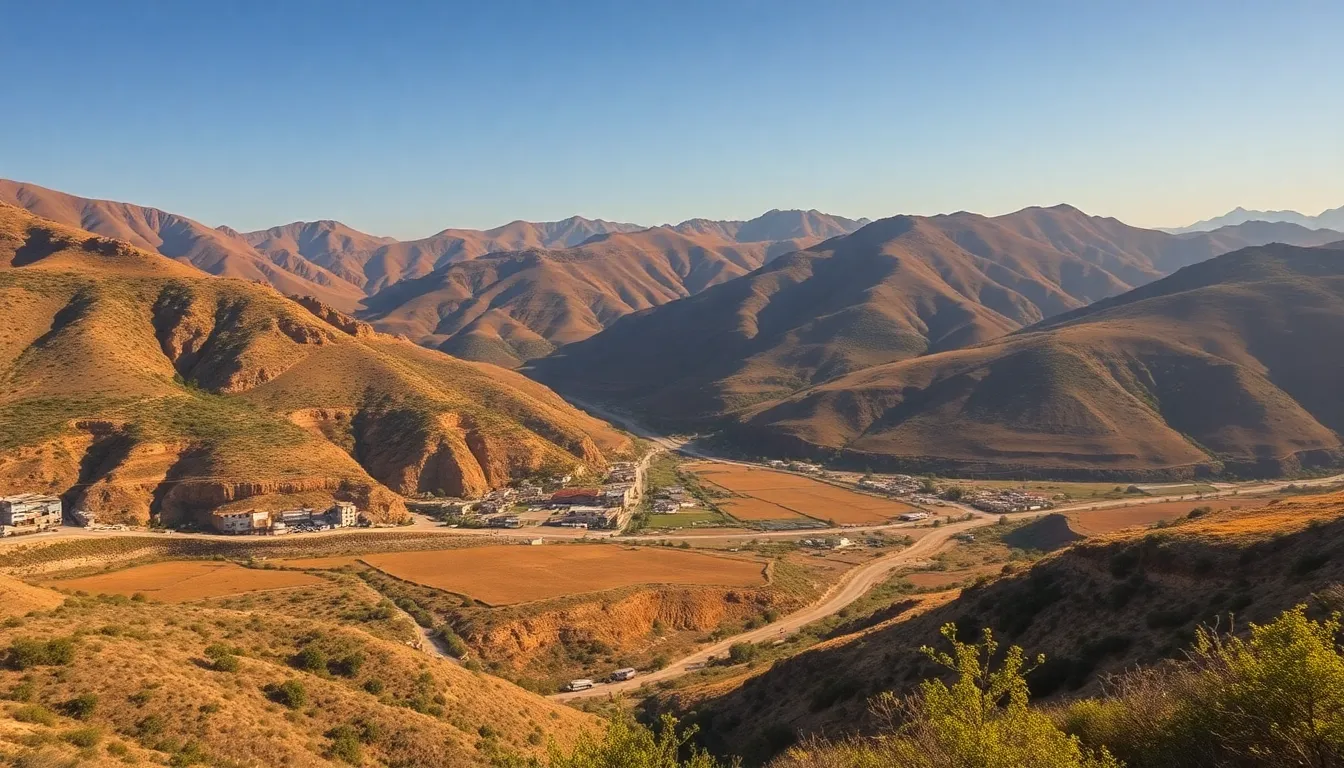
The river Orontes still runs through the valley below the hills, the same geography named in the city’s ancient title to distinguish it from the other Antiochs. Looking out over the valley, your group can picture the great Roman city that once filled it.
The Church of St. Peter
On the slope of Mount Starius, just outside the city, sits a cave church revered as one of the oldest Christian sites in the world, traditionally linked to Peter’s ministry in Antioch. It is significant enough that it gets its own full treatment in our guide to the Cave Church of St. Peter at Antakya. For most groups, the cave church is the spiritual high point of an Antioch visit.
How Antioch Fits a Turkey Heritage Itinerary
Antioch anchors the southern leg of a Turkey trip. It pairs naturally with Tarsus, the birthplace of the apostle Paul, which sits a few hours to the west, and with the cave church on its own doorstep. From Antioch, a group following the missionary journeys can move inland to Pisidian Antioch, where Paul preached his first recorded sermon, and on across the Galatian cities, retracing the very route launched from this church.
Many groups combine this southern and central story with the western highlights covered in our guide to spiritual sites in Turkey, Ephesus, Cappadocia, and the Seven Churches of Revelation. Building the trip so the southern launch point comes first lets your group experience the geography of Acts in the order it happened.
A practical note as you plan: with Heritage Tours, the group leader travels free when you bring fifteen or more participants. For a pastor building a congregational trip, that shapes the budget early, so factor it in from the start.
Leading Antioch Well
My advice for Antioch is to make the naming the centerpiece. Gather your group, read Acts 11, and let them sit with the fact that the word “Christian” was first spoken here, by outsiders, about a community of Jews and Gentiles who had decided to follow Jesus together. Then read Acts 13, the sending of Paul and Barnabas, and help your group see that the mission that reached them, wherever they live, started from this church. For many congregations, Antioch becomes a moment of belonging. This is where the family got its name.
You can see how we structure the southern and inland legs on our Turkey heritage page, or read about the group experience on our group heritage tours page.
FAQ: Visiting Antioch, Where They Were First Called Christians
Where were believers first called Christians?
Acts 11:26 says the disciples were first called Christians in Antioch, the great Roman city on the Orontes, today the Turkish city of Antakya. It was here, as Jews and Gentiles worshipped together and the church grew, that the name first came into use, probably from outsiders observing the new community.
Is this the same as Pisidian Antioch?
No. There were two important Antiochs in the New Testament. Antioch on the Orontes, modern Antakya in the far south of Turkey, is the great church city where believers were first called Christians and from which Paul’s journeys were launched. Pisidian Antioch is the inland city where Paul preached the Acts 13 sermon. They are different places, several days apart.
Why is Antioch so important to the early church?
Antioch is where the Gentile church took root and where the gospel decisively moved beyond Judaism. Paul and Barnabas taught here for a year, the name Christian was coined here, and all three of Paul’s missionary journeys were launched from this church. It is, in a real sense, the cradle of worldwide Christianity.
Can groups still visit Antakya after the 2023 earthquakes?
Antakya was severely affected by the February 2023 earthquakes and is rebuilding. Visits are possible, and we coordinate closely on current conditions and access before including the city in an itinerary. For many groups, visiting now carries an added depth, holding the city’s recent suffering alongside its ancient role in the faith.
What is the most meaningful site to see in Antioch?
For most faith groups, the Church of St. Peter, the cave church on the hillside outside the city, is the spiritual high point. It is revered as one of the oldest Christian places of worship in the world and is traditionally linked to Peter’s ministry in Antioch. The Hatay Archaeology Museum and its Roman mosaics give powerful context for the city Paul knew.
If you want your congregation to stand where the name Christian was first spoken and the worldwide mission began, Antioch belongs on your itinerary. It is overlooked, and it should not be. Start on our Turkey destination page or contact us when you are ready to plan.