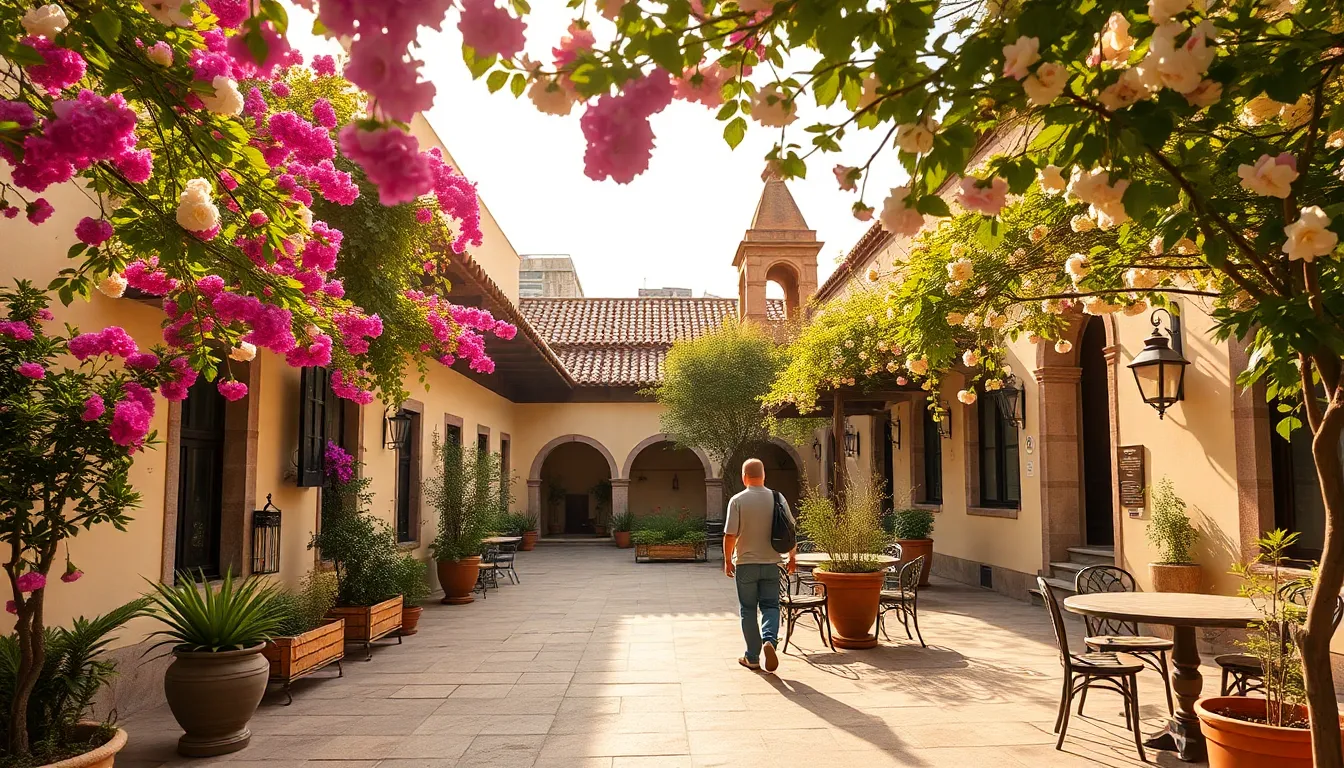
Every time a group leader asks me when to bring their congregation to Spain, I start with the same answer, then I qualify it. Spring is the strongest window. But spring in Spain is three very different months, and the difference between an early-March trip and a mid-May trip is large enough to change what your group experiences. So when someone tells me “we want to go in spring,” my first follow-up is always: which part of spring?
This is the article I wish I could hand every group before that planning call. I am going to walk you through March, April, and May the way they actually feel on the ground, with heritage sites in mind, so you can pick the two or three weeks that fit your community best. If you want the full year compared side by side, our best time to visit Spain guide covers all four seasons. This one stays inside the spring window.
Why Spring Works for Heritage Groups
Before the month-by-month breakdown, here is the short version of why I keep recommending these weeks.
The temperature is right for walking. Most heritage travel in Spain happens on foot, through medieval Jewish quarters, up to fortress walls, across cathedral floors. Spring temperatures across central and southern Spain typically sit between 15 and 25 degrees Celsius, which is comfortable for a mixed-age group spending three or four hours outdoors. That single fact removes the biggest physical obstacle older travelers face in summer.
The sites are open and staffed but not yet overrun. By April, every heritage site has shifted to full spring and summer hours, but the July crowds have not arrived. The Alhambra still has group slots. Toledo’s streets are walkable. Cordoba’s mezquita does not have a two-hour line.
The light is genuinely better. I know that sounds like a small thing. It is not. When your group stands inside the Synagogue of El Transito in Toledo or looks across the rooftops of the old quarter in Girona, the spring light does something the flat summer glare does not. People take it in differently.
March: Cool, Quiet, and Cheaper
March is the quiet end of spring, and for some groups that is exactly the appeal.
Early March still carries winter in northern Spain. Girona, the Basque Country, and anywhere near the mountains can be cold and wet. Even in central Spain, mornings in Toledo and Madrid hover around 5 to 10 degrees Celsius, so your group needs real layers. By late March the south warms up noticeably. Seville and Cordoba reach the high teens and low twenties most afternoons.
What you get in exchange for the cooler weather is space and price. Hotel rates in March are well below the April and May peak. Heritage sites are uncrowded. If your community values unhurried access over warm afternoons, and you have a group that does not mind a jacket, March can be a strong, budget-friendly choice.
The one date to watch in March is Semana Santa, Holy Week, which sometimes falls in late March depending on the year. That changes everything about pricing and crowds, and I cover it separately below.
April: The Sweet Spot
If you made me pick one month for most heritage groups, it would be April, with the back half of the month edging out the front.
By April the whole country has turned. Central and southern Spain are reliably mild. Cordoba’s famous patios begin their bloom. Toledo is comfortable for a full day of walking. The Alhambra has good group availability if you book ahead. Days are longer, which matters more than people expect, because it gives your itinerary room. You can fit an afternoon site visit and still have light for a reflective walk before dinner.
The complication in April is the same one as March, only more likely: Semana Santa usually lands in April. In Seville, Toledo, and Malaga, Holy Week is one of the most extraordinary things a Christian group can witness, centuries-old processions that fill the streets. But it also spikes hotel prices and crowds across those cities. If your group wants Semana Santa, plan early and budget for it. If you want to avoid it, check the year’s dates and schedule the weeks on either side. We go deep on this in our Semana Santa heritage guide.
For groups that want spring without the Holy Week intensity, the last two weeks of April are close to ideal.
May: Warm, Long Days, Building Crowds
May is the other half of the sweet spot, and it is the month I steer groups toward when they want maximum daylight and reliable warmth.
By May, southern Spain is genuinely warm, often in the mid-twenties, occasionally pushing higher in Seville and Cordoba by late month. That is still comfortable for site visits, but it is a preview of what is coming, so I tell groups with older travelers to plan the most demanding outdoor walks for the morning. The daylight is long and generous, which gives your itinerary the most breathing room of any spring month.
The tradeoff is crowds and price. May is popular, and the major sites feel it. The Alhambra books up further out. Toledo and Granada are busier than in March or April. None of this is a problem if you reserve early, but it does mean May rewards groups who lock their dates six to nine months ahead.
One quiet advantage of May for Jewish groups: it usually sits clear of both Passover, which falls in March or April, and the autumn High Holidays. That makes May one of the cleaner stretches on the Jewish calendar for a heritage trip, which is worth weighing if your synagogue’s schedule is the hard constraint. Our autumn travel guide covers the other side of the year for groups working around the fall holidays.
Picking Your Spring Weeks
Here is how I help a group leader narrow it down on a call.
If budget and quiet matter most and your group can handle cool mornings, look at March. If you want the balance of mild weather, open sites, and manageable crowds, target the last two weeks of April, dodging Semana Santa unless you specifically want it. If you want the longest days and most reliable warmth and you can book early, May is your month.
Whichever weeks you choose, the planning rhythm is the same. Lock the dates, secure the Alhambra group slot, and build your participant list. Group leaders travel free with fifteen or more, so the earlier you confirm, the easier that threshold is to reach. You can see how we structure these journeys on our Spain destination page and our group heritage tours page.
FAQ: Spain Heritage Travel in Spring
What is the best spring month to visit Spain for a heritage tour?
For most groups, the last two weeks of April are the strongest window. The weather is mild across central and southern Spain, heritage sites are open with manageable crowds, and the days are long enough to give your itinerary room. May is a close second if you want warmer afternoons and can book early. The main thing to check is whether Semana Santa falls in your chosen weeks.
Is March too cold for a Spain heritage trip?
Not for the south. By late March, Seville and Cordoba are pleasantly warm in the afternoons, though mornings stay cool. Northern Spain, including Girona and the Basque Country, can still be cold and wet in March. If your itinerary leans south and your group does not mind layers, March offers lower prices and quieter sites in exchange for cooler mornings.
How does Semana Santa affect spring planning?
Holy Week falls in late March or April depending on the year, and it transforms cities like Seville, Toledo, and Malaga with major processions, higher hotel prices, and heavier crowds. If your group wants to experience it, plan early and budget accordingly. If you want to avoid it, check the year’s dates and book the weeks on either side.
When should we book a spring heritage tour to Spain?
Six to nine months ahead for April and May trips. The Alhambra requires advance group booking, and spring slots go quickly. If your group is larger than 25, or if you are planning around Semana Santa, start the conversation even earlier so you have time to secure hotels and fill your group.
Is spring better than autumn for a Spain heritage tour?
Both are excellent. Spring edges ahead for most groups because the light and the blooming patios are at their best, and the days are getting longer. Autumn wins on price and quieter sites. For Jewish groups, the choice often comes down to the holiday calendar, since the autumn High Holidays remove much of September and early October.
If you are leaning toward spring, the next step is choosing your weeks and locking them in before the Alhambra fills up. That is the conversation I have with group leaders most often, and it is a quick one once we know your community’s calendar. Contact us and we will help you find the right spring window for your group.