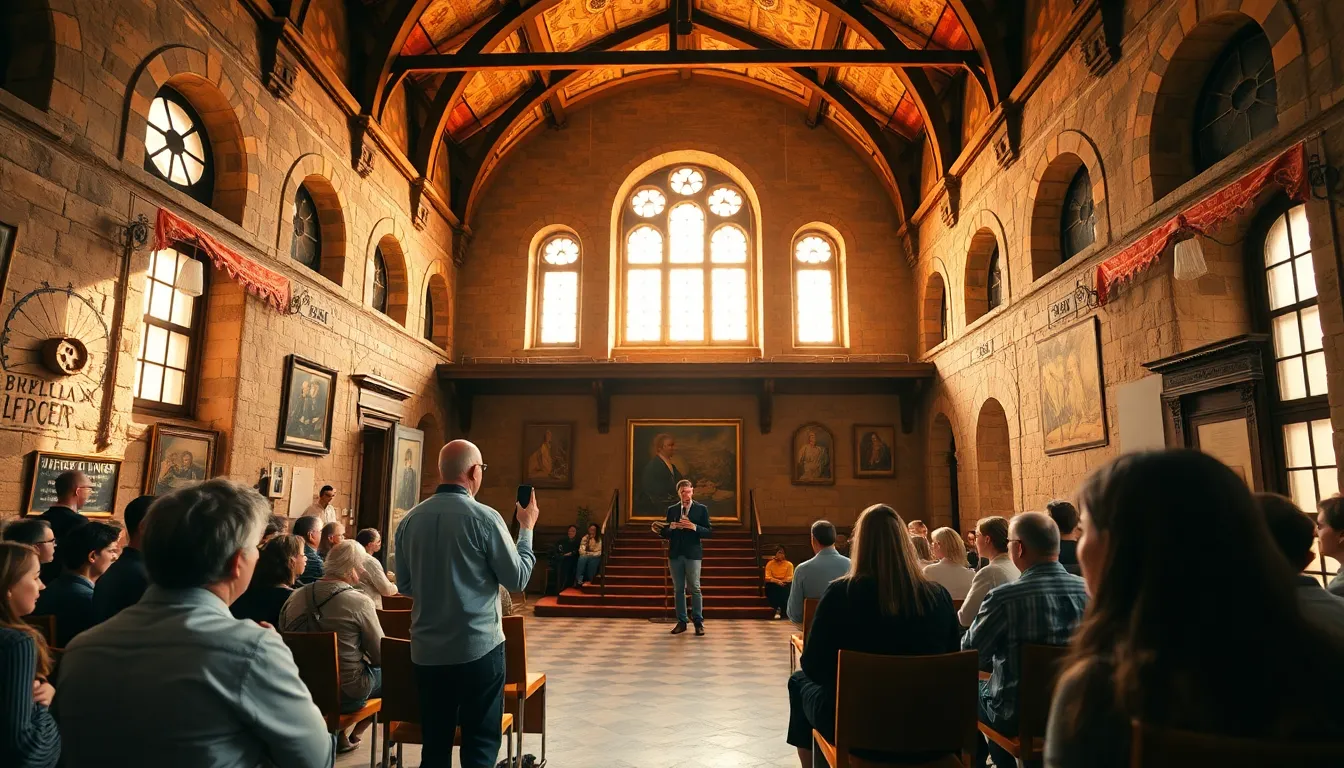
There is a moment on every Spain heritage trip when a group leader realizes the difference between a tour and a teaching journey. It usually happens in Toledo or Cordoba, when someone in the group asks a real question, not “when was this built” but “how did three faiths live together here, and what happened to that,” and the leader has an answer because they prepared their people for exactly this. That is when a trip stops being travel and becomes education.
I work with a lot of clergy and educators, and the ones who get the most out of Spain are the ones who treat the trip as a curriculum, not a vacation with religious sites attached. Spain is almost uniquely suited to this. It holds Christian, Jewish, and Muslim history in the same cities, sometimes in the same building, which means it can teach things no single-narrative destination can. Here is how I help a leader turn that potential into real learning.
Why Spain Teaches What Other Destinations Cannot
Most heritage destinations tell one story. Israel centers on a clear narrative. Italy keeps most of the heritage conversation Christian. Spain is different, and the difference is the whole educational point. In Cordoba, a mosque became a cathedral. In Toledo, a synagogue was built by Muslim craftsmen for a Jewish community living under a Christian king. The golden age of Sephardic Jewry, the height of Al-Andalus, and the medieval Christian kingdoms all occupied the same ground, and then 1492 ended much of it.
That layering lets you teach across boundaries. You can teach Christian history and the deep European roots of the faith. You can teach Jewish history and the world that produced Maimonides. You can teach the harder, more honest story of coexistence, conflict, conversion, and expulsion. For an educator or a clergyperson who wants their people to think, not just to look, Spain offers material that a one-narrative destination simply does not have.
So the first educational decision is what you want to teach. Once you know that, the itinerary becomes a syllabus. Our Spain heritage tour planning guide helps you match sites to the story you want to tell.
Teach Before You Travel
The biggest lever in turning a trip into learning is the work you do before anyone packs a bag. The groups that come home changed are the ones whose leaders taught toward the trip for weeks or months ahead.
Run a study series in the lead-up. If your focus is Sephardic history, study a piece of Maimonides or some Sephardic poetry, so that when your people stand in Cordoba, the words are already in them. If your focus is Christian heritage, teach the history of the church in Spain and the pilgrim tradition of the Camino. If your focus is coexistence, build a class on Al-Andalus and the expulsion so Granada arrives loaded with meaning, not just beauty.
This pre-trip teaching does double duty. It deepens the learning, and it is also the best recruitment tool you have, because a congregation studying toward a trip gets excited about going. By the time your group lands in Toledo, they should already know why they are there. That readiness is what lets the sites speak. Our piece on marketing a Spain heritage trip to your congregation shows how teaching and filling the group reinforce each other.
Make the On-Site Days Actually Educational
Standing in a place is not the same as learning from it. The educational quality of the days themselves depends on a few things you should plan deliberately.
Use guides who teach, not guides who recite. This is non-negotiable for an educational trip. A general guide points at architecture. A heritage guide explains why a rabbi in 1357 commissioned a synagogue with Arabic-style plasterwork and what that tells us about Jewish life under medieval Spanish rule. I work only with guides who understand the religious and historical significance, because the difference between “this was built in 1357” and a real explanation is the difference between a tour and a class.
Pace for thinking. A trip that races through five regions in seven days teaches nothing because nobody has time to absorb anything. Two or three regions, four or five key sites, and real free time for reflection is the formula. Learning needs space. Build it in.
Give your people a role. As the educator or clergyperson, you do not need to deliver the historical lecture, the guide handles that. Your job is the framing and the reflection. Before a site, set the question. After it, gather the group and connect what they saw to Scripture, to your tradition, to your community’s life. That bracketing, a question before and a reflection after, is what converts information into understanding.
Build Reflection Into the Structure
Education that lasts requires processing, and on a trip that is easy to lose to fatigue and a packed schedule. So make reflection structural, not optional.
Hold a short daily gathering, a devotional or a debrief, where the group names what struck them. Standing in Granada the day you discuss the expulsion, ask your people what they are feeling, not just what they learned. Give them a journal prompt. Create a moment each evening to metabolize the day rather than just collapse into it.
These reflection moments are where the educational and the spiritual meet, and they are entirely the leader’s domain. The operator gives you the days. You give them meaning. A group that reflects together each evening comes home with shared understanding, not just shared photos, and that shared understanding is what continues to teach long after the trip ends.
Extend the Learning After You Come Home
The trip is not the end of the curriculum. The most thoughtful leaders plan the re-entry. A debrief class where travelers share what they learned with the wider congregation. A sermon series or a teaching unit drawing on what the group saw firsthand. The travelers become teachers, and their experience educates people who never left home.
This is also where the trip pays forward into the life of your community. A congregation that hears its own members describe standing in the Juderia in Cordoba, or walking the Jewish quarter of Toledo, learns something secondhand that still moves them, and it builds the appetite for the next journey. Education, done well, compounds.
The leader benefit supports all of this in a quiet but real way. When your group reaches 15 or more participants, you travel free, your full trip covered at no cost, which means the educator or clergyperson who is doing the teaching is not also bearing the cost of going. That keeps the focus where it belongs, on the learning you are leading rather than the expense of being there.
If you are a clergyperson or educator who wants to build a Spain trip that genuinely teaches, that is the kind of journey I most enjoy helping shape. Start with our Spain heritage destination overview, or look at how our group heritage tours structure the days so there is room to learn.
FAQ: Educational Spain Heritage Trips
What makes Spain good for an educational heritage trip?
Spain holds Christian, Jewish, and Muslim history in the same cities and often the same buildings, which lets you teach across traditions in a way single-narrative destinations cannot. You can teach Christian roots, Sephardic history, or the fuller story of coexistence, conflict, and the 1492 expulsion, all on the same itinerary.
How do I prepare my group to actually learn from the trip?
Teach toward it for weeks or months ahead with a study series tied to your focus, whether that is Maimonides and Sephardic poetry, the history of the church in Spain, or the story of Al-Andalus. Groups that arrive prepared learn far more, because the sites confirm and deepen what they already studied.
What kind of guides make a trip educational rather than just a tour?
Guides who teach the religious and historical significance, not just architecture. We work only with heritage guides who can explain, for example, what a medieval synagogue’s design reveals about Jewish life under Spanish rule. That depth is the difference between a sightseeing stop and a real lesson.
As the educator or clergyperson, what is my role on site?
Framing and reflection. The guide delivers the historical teaching. You set the question before each site and lead the reflection after, connecting what the group saw to Scripture, tradition, and your community’s life. That bracketing turns information into understanding.
Does the trip leader travel free on an educational group trip?
Yes. With 15 or more participants, the group leader’s full trip is covered, including flights, hotels, transport, site entries, and included meals. For a clergyperson or educator leading the teaching, that keeps the focus on the learning rather than the cost of being there.
If you want to build a Spain trip that teaches your community something they will carry for years, reach out and we will shape the syllabus together. Tell me what you want your people to understand, and we will build the journey around it.