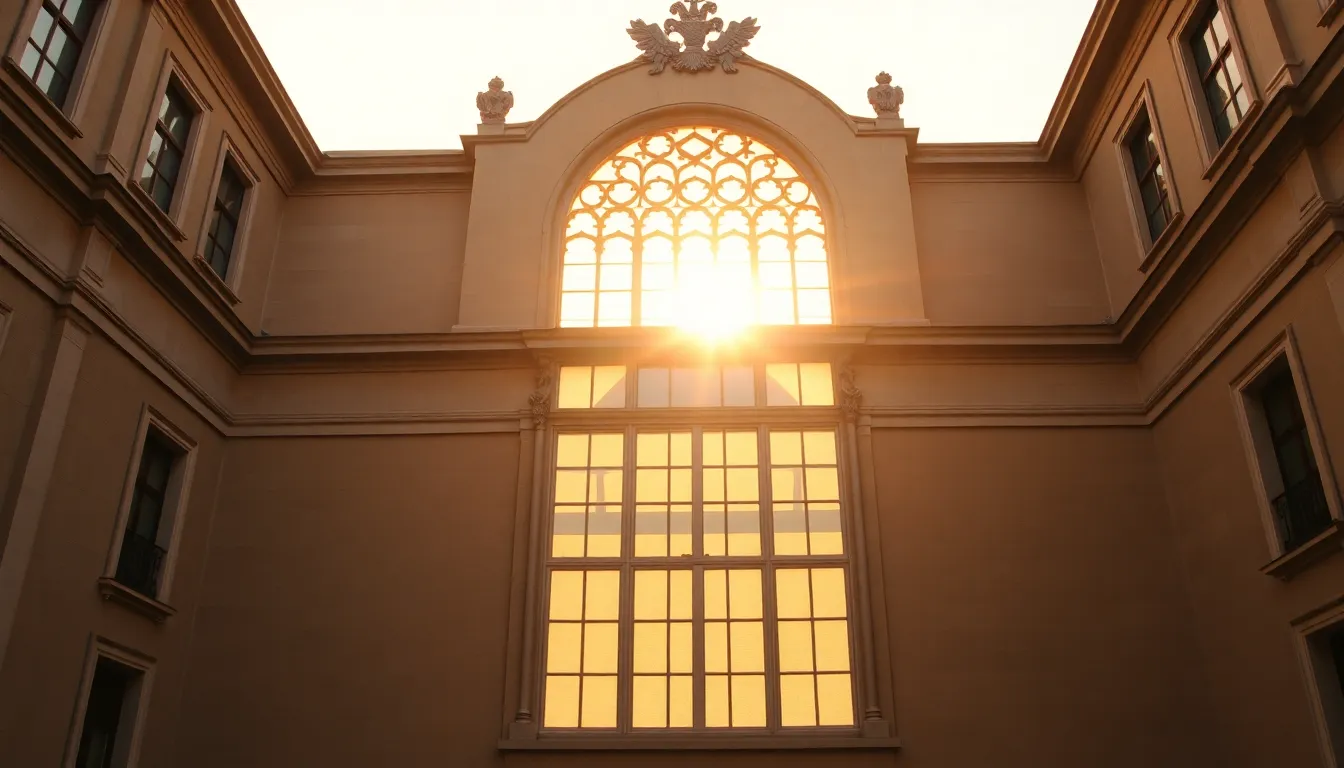
There is a window in Krakow, on the second floor of the Archbishop’s Palace on Franciszkanska Street, that I always make sure my groups stand beneath. It is just a window. But this is the window where John Paul II appeared night after night during his visits home, leaning out to talk and joke and pray with the crowds who gathered below. When he died in April 2005, Poles filled this street and lit candles under it for days. The wax stains are gone now, but the meaning is not.
Wadowice is where Karol Wojtyla was born. Krakow is where he became himself. He arrived as a young man, worked in a quarry under Nazi occupation, studied for the priesthood in secret, was ordained, taught, climbed mountains with students, and rose to become Archbishop and Cardinal of Krakow before the conclave of 1978 sent him to Rome. If you want to understand the pope, you have to walk his city.
This guide maps the Krakow that shaped him. It builds on our overview of spiritual sites in Poland and pairs closely with the story of his birthplace in Wadowice.
How Krakow Made the Man
Karol Wojtyla came to Krakow in 1938 to study Polish language and literature at the Jagiellonian University. Within a year the Germans invaded, closed the university, and turned his world upside down. To avoid deportation he took manual labor, first in a limestone quarry at Zakrzowek, then at the Solvay chemical plant. He kept studying underground and acting in a clandestine theater. And in 1942 he entered the secret seminary run by the Archbishop of Krakow, Cardinal Sapieha, training for the priesthood under threat of arrest.
He was ordained on November 1, 1946. From there his path through the city is a path you can still trace: parish priest, university chaplain, professor, auxiliary bishop in 1958, Archbishop of Krakow in 1964, cardinal in 1967. Eleven years later, white smoke over the Sistine Chapel made the Archbishop of Krakow the first non-Italian pope in 455 years.
A City Under Two Occupations
It helps groups to remember what Krakow was during Wojtyla’s formative decades: a city under Nazi occupation, then under Soviet-backed communist rule. His entire formation as a priest and bishop happened under regimes hostile to the church. He learned to lead a faith community that the state was trying to suppress.
That experience shaped everything. When he became pope and returned to Poland in 1979, his words helped ignite the movements that would, a decade later, bring communism down. You cannot separate his Krakow from that history. The pastoral and the political ran together here.
The Sites to See
The Archbishop’s Palace on Franciszkanska Street
This was Wojtyla’s official residence as Archbishop of Krakow, and the famous “papal window” looks out from it. He returned here on his papal pilgrimages home, appearing at the window to speak with the crowds late into the night. For Polish Catholics, this address is sacred ground. A statue of John Paul II now stands in the courtyard. Start here, beneath the window, and the rest of the city opens up.
The Franciscan Basilica
Directly across the street stands the Franciscan Basilica, where the young priest and later the cardinal often prayed. He had a particular pew. The church is worth entering for its own sake, with remarkable Art Nouveau stained glass by Stanislaw Wyspianski, including the celebrated “God the Father” window above the entrance. Wojtyla knew this interior intimately.
Wawel Cathedral
Up on Wawel Hill stands the cathedral that was, in the deepest sense, his. As Archbishop of Krakow, this was his seat. He celebrated his first Mass as a newly ordained priest in 1946 in the crypt of Wawel, surrounded by the tombs of Polish kings and saints. He served Mass here for years as bishop and cardinal. The cathedral carries 900 years of Polish history, and his place in it is part of the story. We cover it in full in our guide to Wawel Cathedral.
The Divine Mercy Sanctuary at Lagiewniki
In the Lagiewniki district stands the convent where Saint Faustina Kowalska lived and received her visions of Divine Mercy. Wojtyla had a deep devotion to the Divine Mercy message, and as Archbishop of Krakow he worked to advance Faustina’s cause. As pope, he canonized her in 2000 and consecrated the new basilica at Lagiewniki in 2002. The connection is direct and personal, and the sanctuary is essential to any John Paul II itinerary in the city. Our guide to the Divine Mercy Sanctuary at Lagiewniki covers it in depth.
The Sanctuary of John Paul II
Near Lagiewniki, on a hill once part of the Solvay quarry where Wojtyla labored during the war, stands the Sanctuary of Saint John Paul II, built and dedicated after his death. It holds relics, including a vial of his blood, and chapels that trace his life. The site connects directly to the young worker who carried stone here under occupation, and now to the saint he became. Together with Lagiewniki it forms a pilgrimage complex sometimes called the Centre “God’s Mercy.”
Walking His Krakow Well
A few things I have learned about leading groups through these sites:
- Order matters. Starting at the Archbishop’s Palace and the Franciscan Basilica in the Old Town, then moving to Wawel, then out to Lagiewniki and the Sanctuary, follows a logic the city itself supplies.
- Lagiewniki needs its own block. Do not tack the Divine Mercy sites onto a packed Old Town day. Give them a half day.
- Let the window breathe. Standing under the papal window, especially in the evening, is a quiet moment worth not rushing.
- Mind the Mass schedule. Wawel and the Franciscan Basilica are active churches. Coordinate visits around services.
For a Catholic group, Wojtyla’s Krakow combined with Wadowice and Czestochowa forms a complete John Paul II pilgrimage. For a Protestant or interfaith group, the city still tells a powerful story of faith holding firm under occupation and rising to change the world.
Heritage Tours builds custom faith itineraries across Poland for groups of every denomination. Group leaders travel free with 15 or more participants. You can see how we structure these journeys on our Poland destination page or learn about the group leader experience.
FAQ: John Paul II in Krakow
What is the papal window in Krakow?
The papal window is a second-floor window of the Archbishop’s Palace on Franciszkanska Street, the official residence of John Paul II when he was Archbishop of Krakow. On his return visits as pope he appeared here to speak with crowds gathered below, and after his death in 2005 mourners filled the street beneath it. It is one of the most meaningful John Paul II sites in the city.
Where did Karol Wojtyla study and become a priest in Krakow?
He came to Krakow in 1938 to study at the Jagiellonian University. After the Nazis closed it, he worked in a quarry and a chemical plant while studying in a secret underground seminary run by Cardinal Sapieha. He was ordained a priest on November 1, 1946, and celebrated his first Masses in the crypt of Wawel Cathedral.
What is the connection between John Paul II and Divine Mercy in Krakow?
The Divine Mercy devotion began with Saint Faustina Kowalska, a nun at the Lagiewniki convent in Krakow. Wojtyla championed her cause as Archbishop of Krakow, canonized her as pope in 2000, and consecrated the new Divine Mercy Basilica at Lagiewniki in 2002. The Lagiewniki sanctuary is central to any John Paul II pilgrimage in the city.
How much time do you need for the John Paul II sites in Krakow?
Plan at least a full day, ideally a day and a half. The Old Town sites (the Archbishop’s Palace, the Franciscan Basilica, Wawel Cathedral) make one block, and the Lagiewniki district sites (the Divine Mercy Sanctuary and the Sanctuary of John Paul II) deserve a separate half day of their own.
Can non-Catholic groups appreciate the John Paul II sites?
Yes. Beyond their religious meaning, these sites tell the story of a man who led a faith community under Nazi and communist rule and whose return as pope helped change the course of European history. Protestant and interfaith groups consistently find the Krakow story compelling on both spiritual and historical grounds.
If you want to walk John Paul II’s Krakow with your community, I would be glad to help you plan it. The city rewards a thoughtful route, and getting the order right is part of what makes it land. Contact us whenever you are ready to begin.