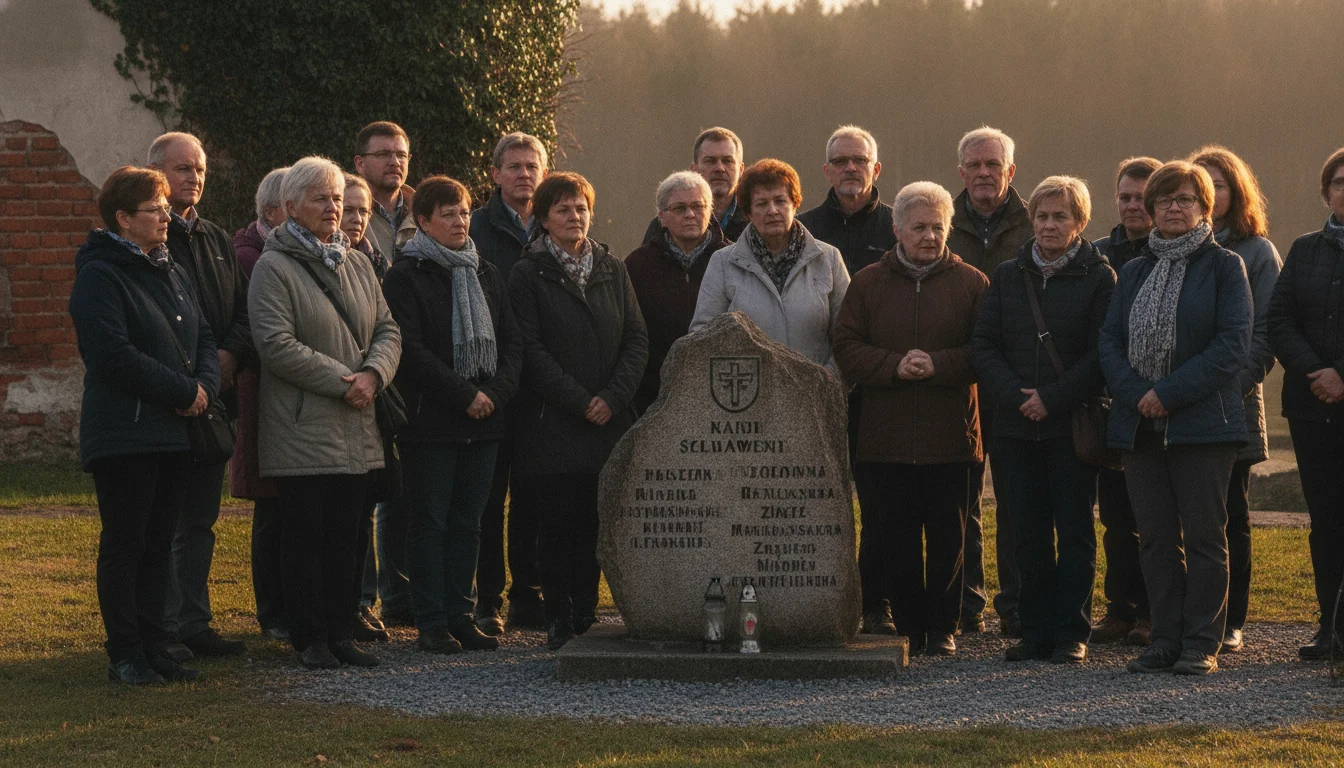
When a rabbi or a synagogue president first calls me about Poland, the conversation almost never opens with logistics. It opens with weight. This is not a beach week. It is a journey to the ground where a thousand years of Jewish life was built and then broken, and the person organizing it feels that weight before a single flight is booked. My job, over the first phone call, is to help you carry it well. Not to make it lighter than it should be, but to take everything that can be handled off your plate so you can hold the part that only you can hold.
I have built heritage journeys for more than forty years, and I want to walk you through what it actually takes to organize a synagogue trip to Poland for your community. This is written for you, the leader: the rabbi, the president, the education director, the lay person who raised a hand and said “I will make this happen.” Not for the solo traveler. For the one who has to recruit the group, set the budget, choose the route, and stand in front of the congregation and say “come with me.”
What a Synagogue Trip to Poland Really Is
Before you plan a single day, decide what kind of journey you are leading. Most synagogue trips to Poland fall into one of three shapes, and the shape changes everything downstream: the route, the length, the tone, and the kind of people who will sign up.
The first is a remembrance journey. This is the trip built around memory: the camps, the memorials, the mass graves, the empty spaces where communities used to be. Groups from congregations often frame this as a congregation remembrance trip to Poland, and it carries the most emotional intensity. It needs the most careful pacing and the most attention to how your people are cared for.
The second is a heritage and roots journey. This one looks for the life, not only the loss. It walks the restored synagogues of Krakow’s Kazimierz, the Jewish quarter’s cafes and bookshops, the cemeteries with centuries of stones, the towns your families may have come from. Many groups weave genealogy into this, tracing a specific shtetl or a family name.
The third is a combined journey, and honestly this is what most congregations choose. It holds both. It does not flinch from Auschwitz-Birkenau or Treblinka, and it also sits in a Kazimierz square on a Friday evening and remembers that Jewish Poland was alive, learned, and joyful for a very long time before it was destroyed. Holding both is harder to plan, and it is almost always the right call.
You do not have to decide this alone or decide it perfectly on day one. But you should decide it early, because it is the frame every other choice hangs on.
The Route: What a Well-Built Poland Itinerary Includes
A serious synagogue trip to Poland moves. It is not one hotel with day trips. A typical route runs seven to ten days and threads through several cities, each carrying a different piece of the story.
Warsaw is usually the entry point. It holds the POLIN Museum of the History of Polish Jews, which is the single best place to give your group the thousand-year arc before you take them into the harder days. It also holds the Ghetto Uprising memorials, the Umschlagplatz, and fragments of the ghetto wall. Warsaw sets the emotional and historical foundation.
Krakow and Kazimierz are the heart of the heritage side. The old Jewish quarter, the Remuh Synagogue and cemetery, the Galicia Jewish Museum, and the living, walkable streets where Jewish culture is being remembered and rebuilt. Krakow is also the base for Auschwitz-Birkenau, roughly an hour and a half away.
Auschwitz-Birkenau is the day most groups build the whole trip around. It requires timed entry, a licensed educator, and real care in how you frame the day before and the evening after. I will say more about pacing below, because how you handle this day matters more than almost anything else.
Depending on your group’s roots and time, the route may also reach Lublin and the Yeshiva Chachmei Lublin, Tykocin and the Lopuchowo forest, Treblinka, Zamosc, or the smaller towns a family came from. If genealogy is part of your trip, the itinerary bends toward those specific places. That is where a good operator earns their keep, because access in smaller towns depends on relationships with local guides and caretakers, not on a booking website.
If you want to see how a full multi-city route is structured before you start, our Poland heritage destination page lays out the regions and the way the days connect.
The Number That Changes Your Budget: Fifteen
Here is the piece that turns a Poland trip from an idea into a plan. When you organize a group of fifteen or more paying travelers, the group leader travels free. Your seat is covered: flights, hotels, ground transportation, site entries, and the group meals built into the itinerary.
This is not a discount or a partial credit. It is a complimentary place built into the economics of a group booking. A group of fifteen paying participants generates enough margin within the trip’s costing to carry one additional traveler, and that traveler is you, the person who made the trip exist. For a fuller explanation of why the threshold sits at fifteen and what happens above and below it, our guides on how many people it takes for the leader to travel free and whether the group leader travels free walk through the math in detail.
Why this matters so much for a synagogue trip specifically: you are almost never asking your congregation to fund the rabbi’s personal vacation. You are organizing a journey your members pay into, and your participation is structured into how it works. That reframing takes an awkward budget question off the table before anyone can raise it at a board meeting.
Larger groups open more room. A group of twenty-five or thirty can sometimes carry a reduced or complimentary second seat, which many congregations use for a spouse, a co-leader, or an educator. If you are building toward a bigger group, ask about that early so we can structure the costing around it.
How to Recruit and Reach Fifteen
This is the part leaders lose sleep over, so let me be direct about it. Fifteen is very reachable for a synagogue. You are not recruiting strangers. You are drawing from a community that already gathers weekly.
Start with your core, not your whole membership list. Find the eight to ten people who have already said, in some form, “I have always wanted to go.” Board members, the adult education regulars, the families with roots in Poland, the ones who show up to every lecture on Jewish history. They are your first yes. Then let them bring others, because couples travel together, friends bring friends, and a chevruta or a study group often signs up as a unit.
Give people a real date and a real route, not a vague someday. “We are going to Poland next spring, nine days, Warsaw to Krakow, with a day at Auschwitz and Shabbat in Kazimierz” converts interest into commitment in a way that “we are thinking about maybe doing a Poland trip” never will. Announce it from the bimah, put it in the newsletter, hold one information evening with the itinerary on a screen, and let the room feel the reality of it.
Tie it to something the community is already living. If you are studying a period of Jewish history, marking a yahrzeit, honoring survivors in your congregation, or reaching a milestone anniversary, anchor the trip to that. A journey with a reason fills faster than a journey that is just a trip.
Plan far enough ahead. For a group of fifteen to thirty, nine to twelve months is the sweet spot for Poland. That gives your people time to budget, request time off, and commit, and it gives you the runway to recruit, which is the real work. If your trip is timed near a specific commemoration date or a Jewish holiday, lean toward the longer end. Our note on how far ahead to plan a group trip goes deeper on the timeline.
Handling the Cost So Nobody Is Left Out
A Poland trip is a meaningful expense for many families, and how you handle the money determines who can come. Two tools matter most.
The first is a payment plan. Almost no one can write a single check for an international heritage trip, but many families can manage a deposit followed by monthly installments spread across the recruiting window. When you announce the trip with a payment structure already in place, you remove the biggest silent objection before it forms. Our guide on setting up a group trip payment plan shows how to structure it.
The second is transparency. Tell your group exactly what the price covers and what it does not: flights, hotels, ground transport, site entries, the licensed educator at the camps, and which meals are included. Then name what is personal: some meals, tips, personal spending. When people can see the full picture, they trust the trip and they trust you. Vague pricing is where recruiting quietly dies.
The Part Only You Can Do: Leading With Care
Here is what I most want you to hear. Once the free-leader model takes your personal cost off the table and a good operator makes the logistics invisible, your attention is freed for the only job that was ever truly yours. You are not the trip’s accountant or its travel agent. You are its spiritual anchor.
Poland asks more of a leader than most destinations. The day at Auschwitz-Birkenau will move your people in ways they cannot predict, and some of them will need you that evening more than they will ever say. Build the pacing for it. Do not stack the hardest day against a late night or an early flight. Leave room after the camps for your group to sit together, to say Kaddish if that is right for your community, to talk or to be quiet. Plan a Shabbat in Krakow where the trip can breathe and remember that Jewish life continues. That rhythm, hard days held by moments of rest and meaning, is what separates a trip your people endure from a journey that changes them.
Your role is to read the room, to lead the moments of reflection, to be present at the memorial and at the Shabbat table alike. Everything else, the coaches and the timed entries and the hotel keys and the local guides, is the operator’s job to keep out of your way. Choosing an operator who understands that division of labor is the most important logistical decision you will make, and our guide on choosing a faith and heritage tour operator covers what to look for.
For the full sequence of planning steps, from first decision to departure, our complete guide to planning a group pilgrimage is the pillar to keep beside you throughout.
FAQ: Organizing a Synagogue Trip to Poland
How many people do I need for me to travel free as the group leader?
Fifteen paying travelers. With fifteen or more, the leader’s full trip is covered: flights, hotels, ground transportation, site entries, and the included group meals. Below fifteen, the trip still runs, but the leader pays a participant’s price. Groups of twenty-five or thirty can sometimes carry a second complimentary or reduced seat for a spouse or co-leader.
How long should a synagogue trip to Poland be?
Most congregation trips run seven to ten days. Seven is workable if you focus on Warsaw and Krakow with the Auschwitz-Birkenau day. Nine or ten lets you add Lublin, Tykocin, Treblinka, or the specific towns your families came from, and it gives the itinerary the breathing room this destination needs.
Can we combine a congregation remembrance trip to Poland with the living heritage side?
Yes, and most groups do. A well-built route holds both: the camps and memorials for remembrance, and Kazimierz, the restored synagogues, the cemeteries, and Shabbat in Krakow for the heritage and life. Holding both takes more careful planning, and it is almost always the right choice for a congregation.
How far ahead should we start planning?
Nine to twelve months for a group of fifteen to thirty. That gives your members time to budget and commit, and it gives you the runway to recruit, which is the real work. Trips timed near a commemoration date or a Jewish holiday want the longer end of that range.
How do we make the trip affordable for our families?
Two things. Announce a payment plan from the start, a deposit followed by monthly installments across the recruiting window, so no family has to pay all at once. And be fully transparent about what the price includes and what is personal. Clear pricing plus a payment structure is what lets a whole congregation come, not only those who can pay up front.
If you are weighing whether a Poland journey is right for your community, start with the route and the numbers for your specific group. You can see how the group experience works on our group heritage tours page, and the Poland heritage destination page shows how the cities and sites connect.
Contact us and we will help you build the itinerary, run the budget, and reach your fifteen.