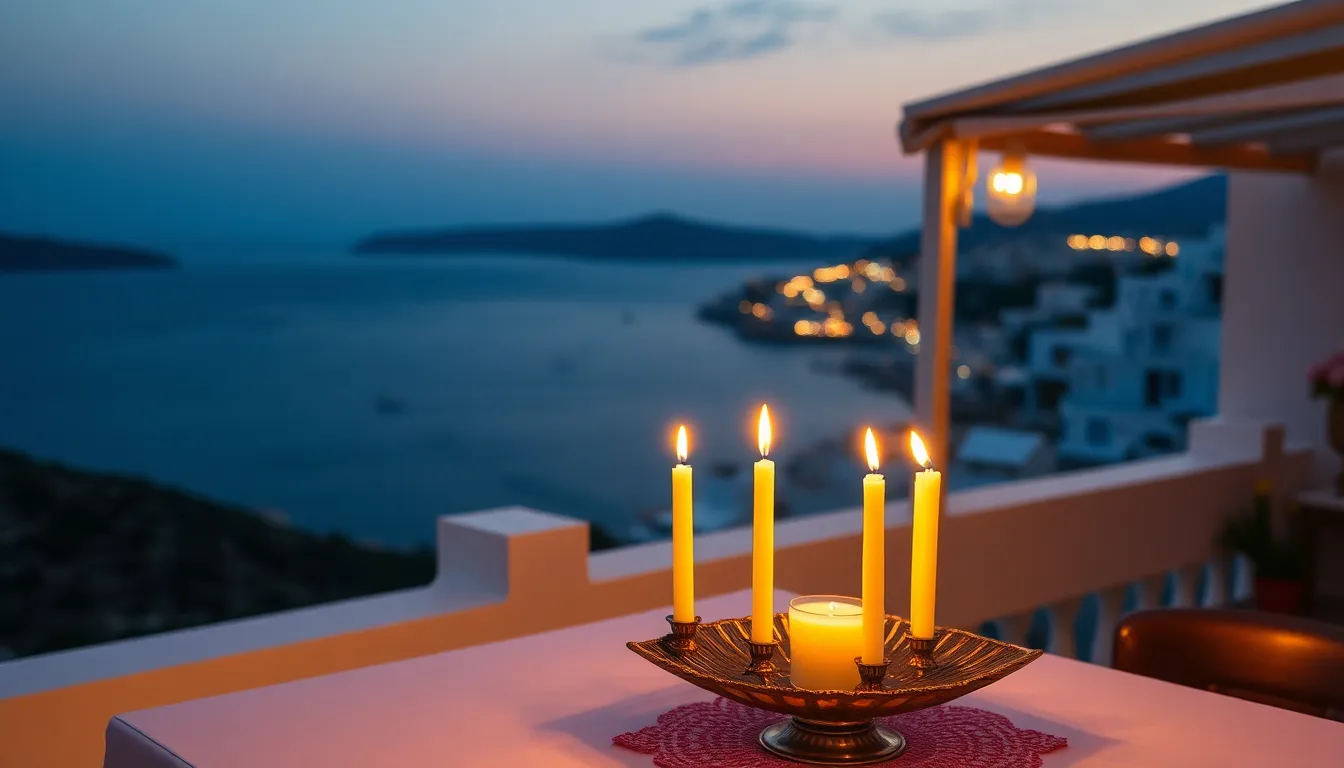
Of all the moments on a Greece heritage trip, the one groups talk about long after they get home is usually Shabbat. There is something about keeping Shabbat in a place where Jewish life was nearly extinguished that lands deeper than any museum. I remember a Friday night in Athens with a group, davening in a synagogue that has stood through the worst of the twentieth century, and afterward one of the congregants said to me, “We just proved they didn’t win.” That is what a well-built Shabbat does on this kind of journey. It turns remembrance into living continuity.
This guide is about building that Shabbat well. Where to be, which community to daven with, how to handle the practical side, and how to make the day carry the weight it can carry. It is written for rabbis, educators, and group leaders planning a heritage trip through Greece.
Why Shabbat Matters More on This Trip
A heritage journey through Greece spends a lot of time with loss. The deportations of Thessaloniki, the destroyed cemetery, the emptied communities. We cover that history in our guide to Jewish heritage in Greece, and it is essential to confront it honestly.
But a trip that is only loss leaves your people heavy. Shabbat is the counterweight. When your group lights candles, sings, and prays in a Greek synagogue that survived, you are not only remembering the dead. You are demonstrating that the chain holds. The same liturgy that filled these communities for centuries fills the room again because your group carried it there. That is why I treat Shabbat as the emotional center of the itinerary, not a pause in it.
Where to Spend Shabbat: Choosing Your City
The single biggest decision is which city your group is in for Shabbat. Each option offers something different.
Athens: The Most Reliable Choice
For most groups, Athens is the right place to be for Shabbat. The community is active, two synagogues sit across the street from one another in the center of the city, and there is a Chabad presence that can support a visiting group with meals and hospitality. We describe the two synagogues in detail in our guide to the synagogues of Athens. For Shabbat, what matters is that you will find a living minyan, a warm welcome, and the practical infrastructure to keep the day properly. Hotels near the synagogues let your group walk to shul. This is the lowest-friction Shabbat in Greece, and for many itineraries it is the obvious anchor.
Thessaloniki: Shabbat in the City That Was
There is a different kind of power in keeping Shabbat in Thessaloniki, the city once called the Jerusalem of the Balkans. The community is small now, but it exists, and the Monastir Synagogue, the only one to survive the war, still stands. Davening here, in the heart of what was one of the great Jewish cities of the world, is an experience that stays with people. We tell the story of what happened to this community in our guide to the Holocaust memorial of Thessaloniki. Spending Shabbat in this particular place, where the port once closed for the Sabbath and Ladino filled the streets, makes the history physical. The trade-off is that the smaller community means meals and logistics need more advance arrangement.
Rhodes: A Summer Shabbat in La Juderia
If your itinerary includes Rhodes in the summer months, Shabbat in the Kahal Shalom Synagogue is something rare. Built in 1577, it is the oldest synagogue in Greece still in use, and during the summer the small community and visitors gather for prayer. Sitting in the Sephardic interior, with its elevated bimah, in the ancient Jewish quarter, your group prays where Rhodian Jews prayed for centuries before nearly the entire community was deported in 1944. It is a profound place to keep Shabbat, with the caveat that services run seasonally and everything must be arranged ahead.
Building the Shabbat Itself
Choosing the city is the start. Building the day is the rest.
Friday: Arriving Into Shabbat
I plan the itinerary so the group arrives into Shabbat unhurried, never racing the sunset. That means finishing touring with real margin on Friday afternoon, time to settle into the hotel, prepare, and reach the candle-lighting calm before the day begins. Rushing into Shabbat sets the wrong tone for the whole twenty-five hours. The afternoon should slow down on purpose.
Friday night is davening at the local synagogue, followed by a Shabbat dinner with the group, ideally with members of the local community joining where that can be arranged. Those shared meals, where your travelers sit with the Jews who still live in these cities, are often the most meaningful encounters of the trip.
Shabbat Day: Prayer, Rest, and Walking
Shabbat morning is davening at the synagogue, with an aliyah or two arranged for the group where appropriate. After lunch, the day stays within the rhythm of Shabbat. A walk through the old Jewish quarter on foot, a divrei Torah, an afternoon of rest, all of it within the bounds of the day. I build in walkable points of interest near the synagogue so the group can move and see without breaking Shabbat. As the day closes, Mincha, Seudah Shlishit, Maariv, and Havdalah, often the most moving moment of all, marking the return to the week in a place that has known so much darkness.
The Practical Layer
Shabbat observance shapes logistics, and good planning handles it invisibly. Hotels within walking distance of the synagogue. Pre-arranged kosher meals, which we cover in our guide to keeping kosher in Greece. Room keys and lighting handled in advance. No driving, no transactions, no scheduled touring across the day. When the logistics are set before Shabbat begins, your group simply lives the day without friction, which is the entire point.
Letting Your Group Plan It With You
I have learned that the strongest Shabbat is the one a community shapes for itself. Some groups want a contemplative, prayer-centered Shabbat. Others want it full of singing and shared meals and learning. Some place it at the start of the trip to set a tone, others at the end to gather everything they have seen into a single day of reflection.
At Heritage Tours, we build the Shabbat around your community’s character and your standard of observance. We coordinate the synagogue, the meals, the walkable hotel, and the local hospitality, so the day arrives ready. A group leader travels free when you bring fifteen or more participants, which helps many congregations make this journey reachable. If you are a rabbi or educator planning a Shabbat-centered heritage trip through Greece, we would be glad to design it with you. You can also see how the group experience works on our group heritage tours page.
FAQ: Observing Shabbat in Greece
Where is the best place to spend Shabbat on a Greece heritage trip?
For most groups, Athens. It has an active community, two synagogues in the city center, a Chabad presence, and the infrastructure to support a visiting group with meals and walkable hotels. Thessaloniki offers a more historically weighty Shabbat in the city once called the Jerusalem of the Balkans, and Rhodes offers a rare summer Shabbat in the oldest synagogue in Greece, though both require more advance arrangement.
Can our group daven with a local community in Greece?
Yes. Athens has functioning synagogues with a living minyan and warm hospitality. Thessaloniki’s small community gathers at the Monastir Synagogue, and Rhodes holds summer services at the Kahal Shalom Synagogue. We arrange for groups to join local prayer and, where possible, to share Shabbat meals with community members.
How do you handle Shabbat logistics for a group?
We arrange hotels within walking distance of the synagogue, pre-coordinate all kosher meals, handle room keys and lighting in advance, and schedule no touring, driving, or transactions across the day. When the logistics are set before Shabbat begins, the group lives the day without friction.
Should Shabbat go at the start or end of the itinerary?
Either works, and it depends on your group. Placing Shabbat early sets a spiritual tone for the trip. Placing it late lets your group gather everything they have witnessed into a single day of reflection. We build it wherever it serves your community best.
Is keeping Shabbat in Greece meaningful given the history?
Deeply. Much of a Greece heritage trip confronts loss, and Shabbat is the living counterweight. Keeping Shabbat in a synagogue that survived, in a community that endured, turns remembrance into continuity. For many groups it becomes the emotional center of the entire journey.
If you want Shabbat to be the heart of your community’s Greece journey, I would be honored to help you build it. The right city, the right synagogue, and an unhurried day make all the difference. You can see how we approach Greece on our Greece heritage page.
Contact us whenever you are ready to start planning.