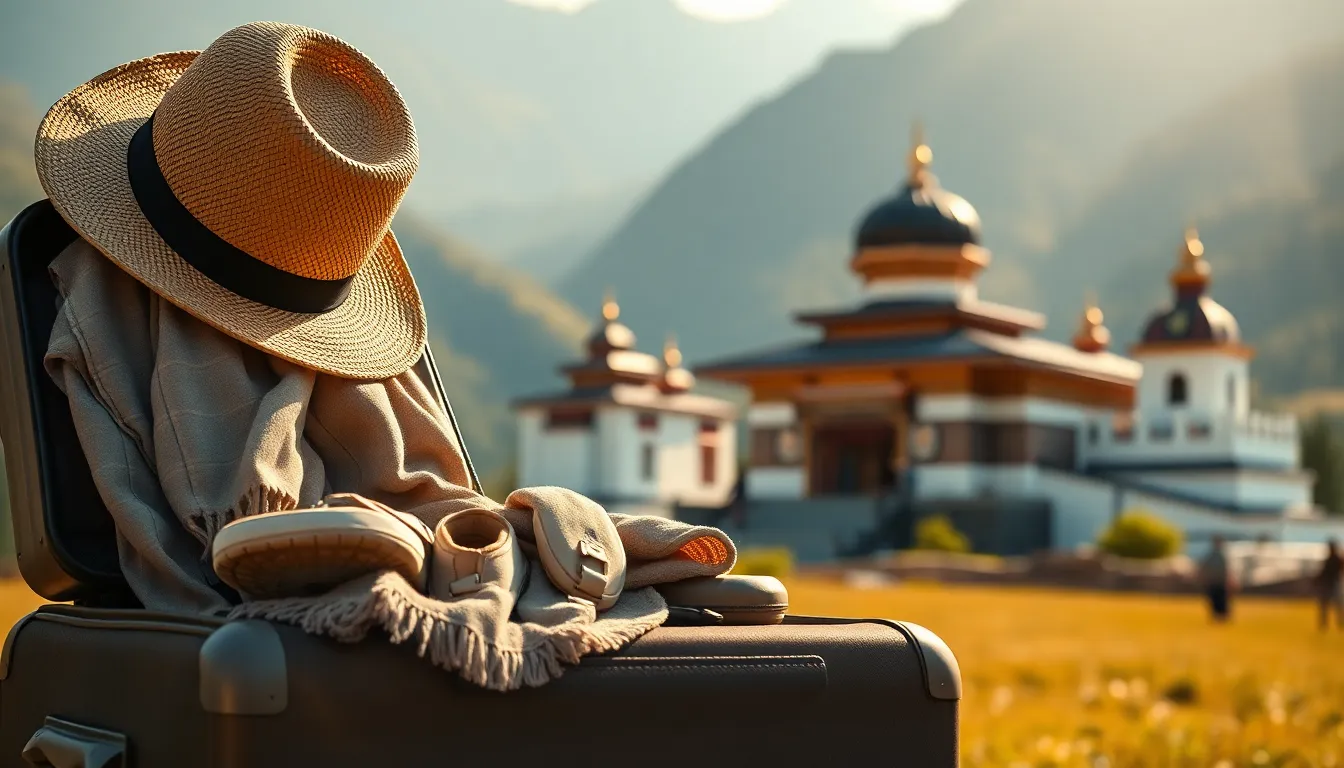
I can usually tell on the first morning who packed well and who packed in a hurry. It shows up at the first site. The person in smooth-soled shoes inching across worn marble, the woman who has to wait outside a monastery because her shoulders are bare, the man already overheating in the wrong shirt by ten in the morning. None of that is a disaster, but all of it is avoidable, and avoiding it is part of what makes a trip feel cared for.
So let me give your group a packing guide built specifically for a Greece heritage tour, not a generic beach-vacation list. This is the one I would hand every participant before they zip a suitcase. It covers the three things that actually matter for faith groups: modesty at religious sites, the climate, and footwear for ancient terrain.
Modesty for Monasteries and Churches
This is the part most likely to cause an awkward moment, so I am putting it first. Greece is a deeply Orthodox Christian country, and its churches and monasteries are active places of worship, not just monuments. They have dress codes, and those codes are enforced, sometimes at the door.
The Meteora monasteries are the clearest example. To enter, both men and women need to cover shoulders and knees. Women are typically expected to wear a skirt or have their legs covered, and many monasteries provide wrap skirts at the entrance, but relying on a borrowed wrap is not how I want your group to travel. It is far better to come prepared.
Here is what I tell every participant to bring for site modesty:
- A lightweight scarf or shawl that packs flat and can cover shoulders or hair in a moment. This is the single most useful modesty item, and I tell women to keep one in their day bag every single day.
- Trousers or longer skirts that cover the knee. Quick-dry, breathable fabrics keep this comfortable even in heat.
- Tops that cover the shoulders, or a layer to throw over a sleeveless top before entering a church or monastery.
- For men, long trousers rather than shorts at religious sites, and a shirt with sleeves.
The trick is to pack so that covering up is a thirty-second adjustment, not a wardrobe change. A scarf in the bag and breathable long layers mean no one is ever turned away or left waiting outside while the group goes in.
Dressing for the Greek Climate
Greece is warm to hot for most of the heritage travel season, and the sites are open and exposed to the sun. But there is more nuance than “pack for heat,” and getting the nuance right keeps your older travelers comfortable and safe.
Spring and Fall (the most common travel windows)
Late spring and early fall, the seasons I most often recommend and which our best time to visit Greece guide breaks down, mean warm days and cooler evenings. Layering is the answer. Pack:
- Breathable short-sleeve and long-sleeve shirts in light colors.
- A light sweater or jacket for evenings and air-conditioned coaches and restaurants.
- Long, lightweight trousers that work for both site visits and dinners.
Sun Protection (non-negotiable)
Open archaeological sites offer almost no shade. For a mixed-age group, sun protection is a safety item, not a comfort item:
- A wide-brimmed hat. A cap is better than nothing, but a brim that shades the neck is far better.
- Sunglasses.
- High-SPF sunscreen, applied before you reach the site, not after.
- A refillable water bottle, which I consider essential equipment for every single day.
If You Travel in Cooler Months
Winter and early spring trips need a warmer layer, a proper jacket, and rain protection, since Greece does get rain in the cooler months. The interior and higher sites are genuinely cool. Do not let “Mediterranean” fool anyone into underpacking for a March trip.
Footwear: The Most Important Thing in the Suitcase
If your travelers get one thing right, make it this. I would rather a participant forget half their wardrobe than show up with the wrong shoes. Greek heritage sites are ancient, and ancient ground is uneven, rocky, and often slippery where centuries of feet have polished the stone.
Here is the footwear brief I give every group:
- Sturdy, closed-toe walking shoes with good grip and cushioning. Broken in before the trip, not new out of the box. This is the shoe for nearly every site day.
- A second comfortable pair so feet get a break and a wet pair can dry.
- Avoid smooth-soled shoes, flat sandals, and anything with no grip. The Areopagus rock in Athens and the marble at sites like Corinth and the Acropolis are genuinely slick.
The terrain at Meteora and the Areopagus deserves a specific mention. Both involve uneven steps and rock, and both are far safer and more enjoyable in proper shoes. Our briefing on whether Greece is safe for heritage groups goes deeper on the terrain, because footing is honestly the biggest physical risk on these trips, more than anything dramatic.
The Practical Essentials Checklist
Beyond clothing, here is the rest of what I want every participant carrying. Keep the important documents and a day’s needs in a carry-on, never only in checked luggage.
Documents and money:
- Passport (checked well in advance against the entry and Schengen requirements), plus a photocopy kept separately.
- Any required travel authorization confirmation.
- Travel insurance details.
- A modest amount of cash and a card; a cross-body zipped bag keeps valuables secure against the pickpocketing that is the main petty-crime risk.
Health and comfort:
- All personal medications in their original packaging, in your carry-on, with enough for the full trip plus a few extra days.
- A small personal first-aid kit: blister plasters, pain reliever, any stomach remedies you rely on.
- A reusable water bottle.
For the spiritual heart of the trip:
- A travel Bible or your scripture of choice, or a reading app, for the moments when your group reads Acts at Philippi or the Corinthian letters at Corinth.
- A small notebook or journal. The reflections people write at these sites become some of the most treasured things they bring home.
Daily gear:
- A comfortable day bag for water, sunscreen, a scarf, and your camera or phone.
- A universal travel adapter for European outlets.
- A portable charger for long days out.
A Word to the Group Leader on Packing
As the leader, your packing job is partly your own and partly your group’s. Send this list out early, well before departure, and send it again a few weeks before. People pack at the last minute, and a reminder about the scarf and the right shoes prevents the first-morning problems I described at the top.
I also tell leaders to carry a small leader kit: a few spare blister plasters, an extra scarf or two for anyone caught short at a monastery, a printed roster, and a copy of everyone’s emergency contact and medical notes. It weighs almost nothing and it makes you the person who has the thing your group needs at the moment they need it. With Heritage Tours, the group leader travels free when you bring fifteen or more participants, and helping you prepare your group well is part of what we do.
For the full planning picture, see our Greece heritage travel tips hub, and explore how we structure these journeys on our Greece heritage page and group heritage tours page.
FAQ: Packing for a Greece Heritage Tour
What should women pack for visiting monasteries in Greece?
Bring a lightweight scarf or shawl to cover shoulders or hair, and trousers or a skirt that covers the knee, in breathable fabric. Monasteries like Meteora enforce a dress code covering shoulders and knees, and some require a skirt for women. Keep a scarf in your day bag every day so covering up is a quick adjustment rather than a problem at the door.
What kind of shoes do I need for Greek archaeological sites?
Sturdy, closed-toe walking shoes with good grip and cushioning, broken in before the trip. Ancient marble and stone are uneven and slippery, especially at the Areopagus in Athens and at Corinth and the Acropolis. Avoid smooth soles and flat sandals. Footwear is genuinely the most important thing in the suitcase for safety and comfort.
How should I dress for the weather in Greece?
Pack breathable layers. Late spring and early fall bring warm days and cooler evenings, so bring light shirts plus a sweater or jacket. Sun protection is essential because sites are exposed: a wide-brimmed hat, sunglasses, high-SPF sunscreen, and a refillable water bottle. For cooler-month trips, add a real jacket and rain protection.
What should men wear at Greek religious sites?
Long trousers rather than shorts, and a shirt with sleeves. The dress codes at active churches and monasteries apply to men as well as women, covering shoulders and knees. Lightweight, breathable long trousers keep this comfortable even on hot site days, so men do not have to choose between modesty and staying cool.
What is the one thing groups most often forget to pack?
A scarf or shawl for site modesty, closely followed by proper grippy shoes. Both cause real first-morning problems, someone left outside a monastery or struggling on slick marble. Send your participants the packing list early and again a few weeks out, with those two items underlined.
If you want, I will tailor this packing list to your group’s specific itinerary and season, including any special items for an island extension or a winter trip, so every participant arrives ready for exactly the sites you are visiting. Small preparation like this is what makes a trip feel smooth from the very first morning.
Contact us whenever you want a list built for your group.