People think of Crete as a beach island, and it is a beautiful one, but the first time I read the Epistle to Titus out loud with a group standing in Heraklion, the trip changed for everyone. Paul left Titus on this island to “set in order the things that are wanting, and ordain elders in every city.” Crete is in the New Testament. There is a whole letter addressed to the work that happened here. Most faith travelers have no idea, and when they realize it, the island stops being a holiday and becomes part of the story.
Crete is the largest Greek island, far to the south, and it holds layers most groups never expect: the early church, a centuries-old Jewish community, Venetian and Ottoman rule, and the deep Minoan past that predates all of it. For a heritage group, that range is the gift. Let me orient you to the faith heritage of Crete the way I would on the ground.
Titus and the Early Church on Crete
The Christian story on Crete begins early. Cretans were among the crowd at Pentecost in Acts 2, listed by name among those who heard the apostles speak. Later, Paul sailed past Crete as a prisoner bound for Rome, a voyage described in detail in Acts 27, including the harbor called Fair Havens and the storm that drove the ship off course. Your group can stand on the southern coast and read that chapter where the events happened.
But the heart of the Christian heritage here is Titus. Paul left his trusted companion on the island to organize the young churches, and the Epistle to Titus is the instruction he sent. Titus became, by tradition, the first bishop of Crete.
The Church of Saint Titus in Heraklion
In Heraklion, the Church of Saint Titus honors him, and it holds, as its most precious relic, the skull of Saint Titus, returned to Crete after centuries away. For an Orthodox or a Protestant group alike, standing in this church and reading the epistle addressed to the man it is named for is a quietly powerful moment. I always give the group time to make that connection between the letter in their Bibles and the place in front of them.
Gortyna and the Ancient Church
At the ancient site of Gortyna, in the center of the island, you can see the ruins of the Basilica of Saint Titus, one of the most important early Christian buildings in Greece. Gortyna was the Roman capital of Crete, and tradition holds that Titus was based here. Walking the basilica ruins gives a group a tangible sense of how early and how organized the church on Crete became.
The Jewish Heritage of Crete: The Chania Synagogue
Crete also held a Jewish community for many centuries, and its memory now centers on one carefully restored building in the old Venetian quarter of Chania.
Etz Hayyim Synagogue
The Etz Hayyim Synagogue in Chania is the last surviving synagogue on Crete. The community here was Romaniote in its oldest roots, Greek-speaking Jews whose presence in the eastern Mediterranean predates the Sephardic world, later joined by Sephardic and Venetian Jewish influences. The synagogue sits tucked into the narrow lanes near the harbor, and walking into it is an experience of quiet recovery, because the building was painstakingly restored after decades of ruin.
The story of Crete’s Jews ends in tragedy. In 1944, the Jewish community of Crete, several hundred people, was rounded up for deportation. The ship carrying them, the Tanais, was sunk at sea, and almost the entire community was lost in a single night. Etz Hayyim now stands as both a working synagogue and a memorial to them. For a group, it is a place to read the names, to sit, and to understand that the long Jewish story of this island came to an end here. Our guide to Jewish heritage in Greece sets this community in the wider picture of the country’s three traditions.
The Venetian and Ottoman Layers
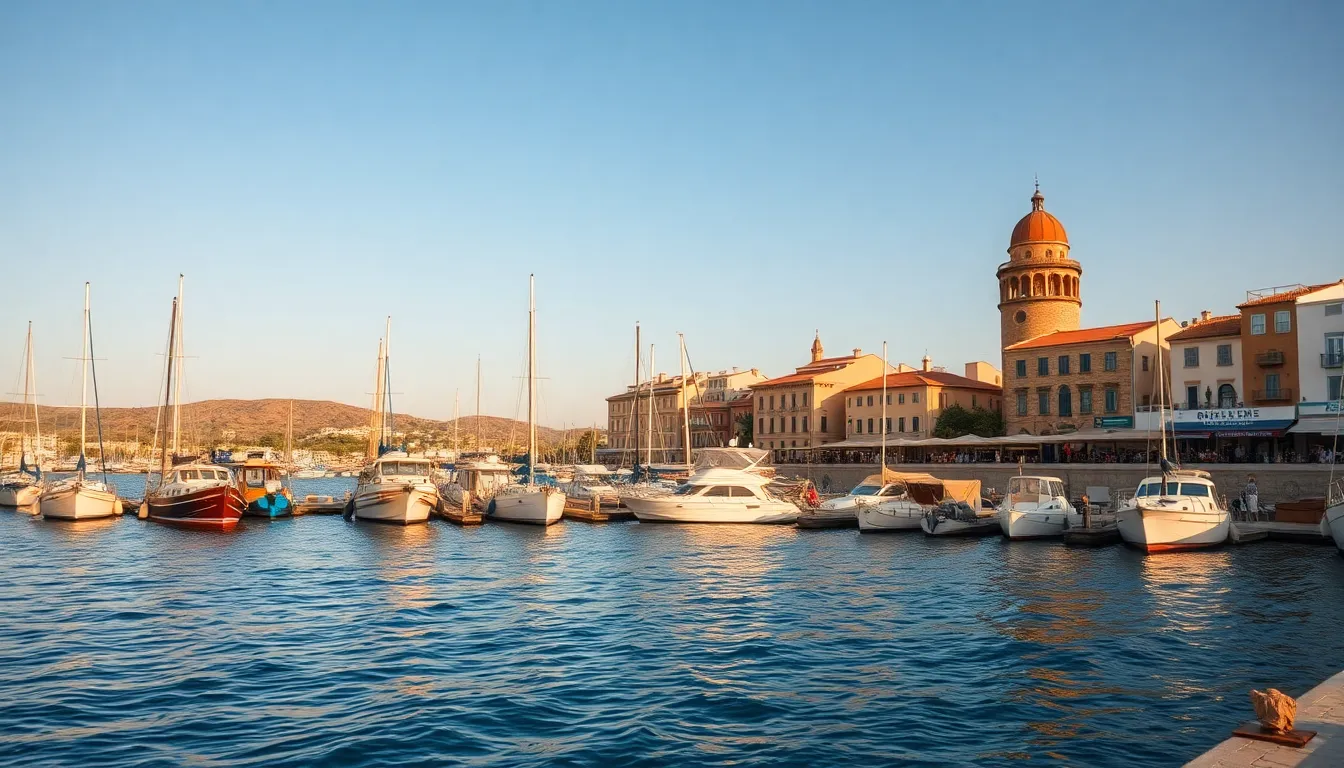
Crete’s harbors tell another part of the story. Venice ruled the island for more than four centuries, and the old towns of Chania and Rethymno are full of Venetian houses, fortresses, and the elegant harbor fronts that still draw visitors today. The Ottomans followed, and you can see their mark in the minarets and fountains scattered through the same old quarters.
For a heritage group, these layers matter because they explain how the faith communities lived. The Jewish quarter of Chania sat inside the Venetian town. The churches were shaped by Byzantine, Venetian, and Orthodox hands in turn. Crete is a place where you can see, in a single old harbor, how Christians, Jews, and Muslims shared and contested the same streets across centuries.
Practical Orientation for a Crete Heritage Visit
Crete is large, and that surprises groups. Driving from Chania in the west to Heraklion in the center takes a couple of hours, and the eastern sites are further still. A few notes I give leaders:
- Pick a base, or two. Chania in the west is the most charming old town and home to the synagogue. Heraklion in the center holds the Church of Saint Titus and is closest to Gortyna and the Minoan palace of Knossos. Many groups split their nights between the two.
- Knossos is worth the detour. Even on a faith itinerary, the Minoan palace of Knossos near Heraklion gives your group the deep prehistory of Europe and a sense of how ancient this island’s civilization is. It pairs naturally with the early church sites.
- Confirm synagogue hours. Etz Hayyim keeps regular but limited visiting hours and holds services. Check before you plan the Chania day.
- The island rewards more time. Crete can be rushed in two or three days, but it opens up with four. Distances are real, so build driving time into the plan.
Crete reaches Athens by a short flight or an overnight ferry, and most heritage groups fly to save time. It pairs well with a Pauline route, since Crete belongs to Paul’s voyage to Rome, and you can see that wider journey in our guide to the footsteps of the Apostle Paul in Greece.
One thing worth knowing as you plan: with Heritage Tours, the group leader travels free when you bring fifteen or more participants. For a pastor or community leader building a trip, that changes the math, and it is worth factoring in early.
FAQ: Crete for Faith Travelers
Is Crete actually in the New Testament?
Yes, in several places. Cretans are named at Pentecost in Acts 2. Paul sailed along the southern coast as a prisoner in Acts 27, past the harbor of Fair Havens. And the entire Epistle to Titus concerns the church on Crete, where Paul left Titus to organize the young communities and ordain elders. Standing on the island while reading these passages connects the text to the ground.
Where can my group see the heritage of Titus on Crete?
Two main places. The Church of Saint Titus in Heraklion holds his skull as a relic and is named for him. At Gortyna, in the center of the island, you can walk the ruins of the early Basilica of Saint Titus, in what was the Roman capital where tradition places his ministry.
What is the Chania synagogue, and can groups visit?
Etz Hayyim in Chania is the last surviving synagogue on Crete, carefully restored after decades of ruin. It is both a working synagogue and a memorial to the Jewish community of Crete, almost all of whom were lost in 1944 when the deportation ship Tanais was sunk. It keeps regular visiting hours, so confirm them before planning.
How many days does a Crete heritage trip need?
Two or three days cover the core faith sites, but the island is large and distances are real. Four days lets a group split time between Chania in the west and Heraklion in the center without rushing, and leaves room for Knossos and the early church sites at Gortyna.
Does Crete suit a mixed Christian and Jewish group?
It does, unusually well. Within a short stretch you have the early church heritage of Titus, the Jewish memory held at Etz Hayyim, and the Venetian and Ottoman layers that shaped how all these communities lived. Crete lets a mixed group encounter several strands of faith history in one island.
If Crete is drawing you for your group, I would be glad to help you shape an itinerary that honors the island’s faith heritage without rushing it. The early church, the synagogue, and the old harbors all reward unhurried time. You can see how we build these trips on our Greece heritage page or learn how the group experience works on our group heritage tours page.
Contact us whenever you are ready to start planning.