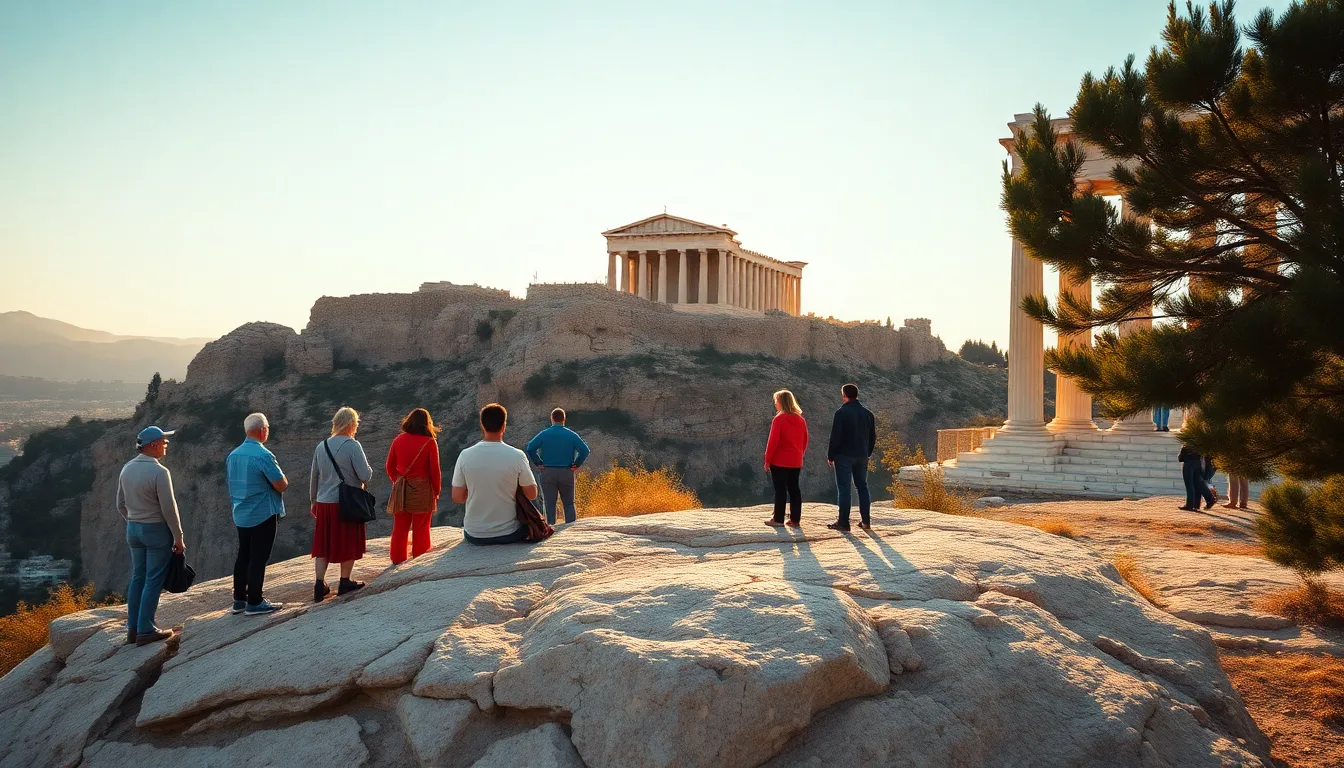
Most trips I have helped build did not start with a budget or a booking. They started with a sentence from the pulpit. A pastor, mid-sermon on Acts 17, says almost offhand, “I would love to take you all to Athens and read this on Mars Hill someday,” and three people corner him at the door afterward asking if he means it. That is how these journeys begin. The hard part is what comes between that sentence and wheels up, and that is what I want to map out for you here, step by step, so nothing falls through.
Building a congregation’s trip from scratch is not complicated, but it has an order. Do the steps out of sequence and you create work for yourself. Do them in order and the trip almost builds itself. Here is the path I walk first-time and veteran leaders down, from the first mention to the morning you board the plane.
Step One: Float the Idea Before You Commit to Anything
Before you build a budget or pick dates, you need to know there is interest. The mistake I see is leaders quietly planning a full trip alone and then announcing it, only to find out the timing or the cost does not work for their people.
Do the opposite. Mention it from the front. Drop it into a sermon when the text gives you the opening, mention it in a newsletter, raise it in a board meeting. You are not selling yet. You are listening. If a Pauline route through Greece keeps coming up in your teaching, your congregation has already been primed for it, and our guide to Paul’s footsteps in Greece can help you sharpen what you say. Watch who lights up. Those people are your core group, and they will help fill the rest.
Step Two: Set the Shape of the Trip
Once you know the interest is real, settle the basics. These are the decisions that everything else hangs on.
Length and Route
Eight days covers the core Pauline route, Philippi, Thessaloniki, Berea, Athens, and Corinth, at a comfortable pace. That is my default recommendation. If you want to add Meteora or an island extension to Patmos for the Book of Revelation, plan ten to twelve days. Do not try to cram the long version into a short trip. Rushing costs you the quiet moments that make the journey.
Dates
Late spring, May to June, or early fall, September to October, give you good weather and thinner crowds. Avoid the July and August heat. Once you have a target window, you can work backward to your planning timeline.
Group Size
This is where the money decision lives, so settle it early. The group leader travels free when you bring fifteen or more participants. With fifteen, your flights, hotels, ground transportation, and site entry are covered, and you travel at no personal cost. Most congregation groups land between fifteen and forty. Aim for at least fifteen so the leader benefit applies and the per-person cost stays reasonable.
Step Three: Bring In an Operator Early, Not Late
Here is a step people get wrong by waiting. Many leaders try to sketch a full itinerary, price everything, and only then call an operator. That is backward. Bring the operator in while the trip is still an idea, because that is when they save you the most work.
A good operator builds the itinerary around your teaching, prices it properly, handles flights, hotels, ground transport, local guides, and site entry, and tells you early what is realistic for your dates and group. What you should never end up doing is the operator’s job. If planning feels like you are project-managing logistics, something is off. We explain how the group side works on our group heritage tours page, and you can see the destination on our Greece heritage page.
Step Four: Build the Budget and Set the Price
With the operator’s pricing in hand, you can set a per-person number. Be transparent with your congregation about what it covers: flights, hotels, ground transport, guides, and site entry, typically, with some meals and personal spending on top. Spell out what is and is not included so there are no surprises.
This is also where you decide on a deposit and a payment schedule. Spreading payments over several months makes the trip reachable for more of your people, and it locks in commitment early. A deposit turns “maybe” into “I am going.” Build that schedule with your operator so the deadlines line up with the booking requirements.
Step Five: Open Enrollment and Fill the Group
Now you promote it for real. Announce the dates, the price, and the deposit deadline. Put it in front of the congregation more than once, because people need several touches before they commit. Hold an information night where you walk through the itinerary and answer questions face to face. That meeting fills more seats than any flyer.
Filling the group is its own skill, and it is worth doing deliberately. We cover the full approach in our guide to marketing a Greece heritage trip to your congregation. The short version: lead with the meaning, not the logistics, and make the first step small.
Step Six: Prepare Your People Before You Go
Once the group is set, a pre-trip meeting saves you a hundred questions on the road. Cover the pace, the walking, and the sites with uneven footing, the Areopagus rock is slick, the Acrocorinth is a climb, so older members can prepare. Walk through the daily rhythm so people know what to expect.
This is also where you set the spiritual frame. Tell your people this is not a sightseeing trip with a religious coat of paint. It is a journey through their own story. Encourage them to read ahead in Acts and the epistles tied to the cities you will visit. If you want to frame it as genuine study, our piece on educational framing for Greece heritage trips shows how to turn the route into teaching. People rise to the framing you give them.
Step Seven: Lead Well on the Ground
The local guide handles the history at each site. You handle the part only you can do. Pick three or four moments in advance, choose the passage for each, and lead them. Acts 16 at the river in Philippi where Lydia was baptized. Acts 17 on Mars Hill in Athens. First Corinthians read on the ground in Corinth. You do not need a moment at every stop. You need a few that your people carry home for years.
Everything you built in the earlier steps exists to free you for this. If the logistics are handled and the group is prepared, you arrive with a clear head and lead from a place of presence rather than stress. That is the whole point of building it right.
FAQ: Building a Greece Trip From Scratch
Where do I actually start?
Float the idea before you plan anything. Mention it from the pulpit or in a newsletter and watch who responds. Confirming real interest first saves you from building a full trip that does not match your congregation’s timing or budget. The core responders become the group that helps fill the rest.
How many people do I need for the leader to travel free?
Fifteen. With fifteen or more participants, the leader’s full travel costs, including flights, hotels, ground transportation, and site entry, are covered. Aim for at least fifteen when you set your target group size.
When should I bring in a tour operator?
Early, while the trip is still an idea. Operators save you the most work at the front end, when they can build the itinerary around your teaching and price it properly. Waiting until you have sketched everything yourself just creates work you did not need to do.
How long does it take to plan one of these trips?
Six to nine months is comfortable for a group of fifteen to thirty. Trips around Orthodox Easter or other peak dates need nine to twelve months. Earlier planning gives you more time to build interest and collect deposits.
How do I keep costs manageable for my congregation?
Spread payments over several months with a deposit and a schedule, hit the fifteen-person threshold so the leader benefit applies, and be transparent about what the price includes. A payment plan makes the trip reachable for more of your people and locks in commitment early.
A trip that starts as a sentence from the pulpit can become the journey your congregation talks about for a decade. The path from idea to wheels up is clear once you walk it in order. See how we structure these journeys on our Greece heritage page, and when you are ready to start, contact us and we will build it with you from the ground up.