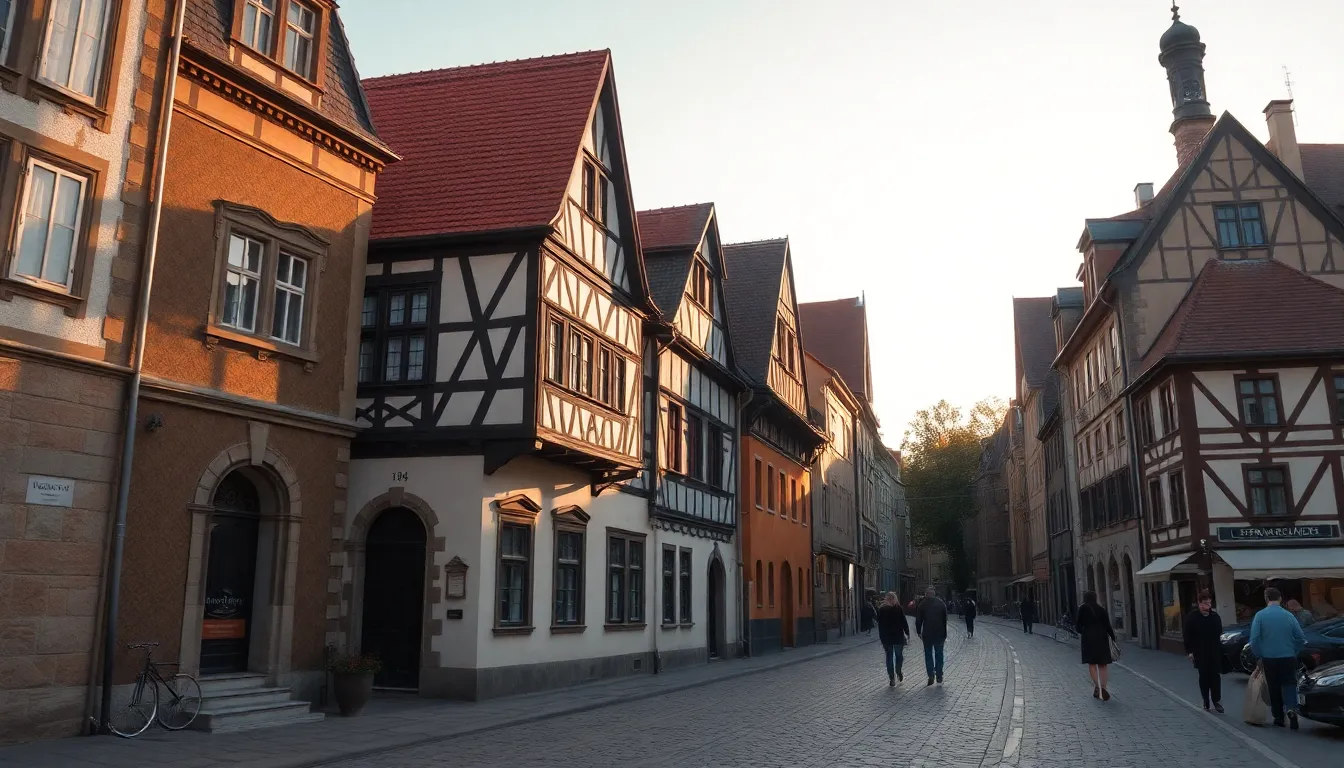
The Light in October Does Something to a Group
I have led heritage groups through Germany in every season, and there is one image I keep coming back to. Late October, the Heiliger Sand cemetery in Worms, the oldest Jewish cemetery in Europe still in use. The chestnut trees had gone gold, the leaves were dropping onto centuries-old headstones, and the light came in low and warm the way it only does in autumn. My group went quiet. Not memorial-fatigue quiet. The other kind, the kind where people are paying close attention to something. One of the elders later told me it was the moment the whole trip turned real for her.
Autumn does that. The season carries a reflective weight that matches what a heritage journey asks of people. This is not the general case for when to visit Germany, which our best time to visit guide covers season by season. This is the specific argument for fall, and the practical detail that makes an autumn trip work.
Why Autumn Fits Heritage Travel Specifically
A heritage journey through Germany is emotionally demanding. Your group is standing at memorials, walking through camps, reading names off headstones. The summer crowds and bright heat that work fine for a sightseeing holiday tend to work against the reflective tone these places ask for. Autumn removes the friction.
The crowds thin out after the summer peak. By late September the school groups and international tour buses that pack Dachau and the Berlin Holocaust Memorial in July have largely gone home. Your group gets the space and quiet that make these visits land. The weather cools into the 50s and low 60s Fahrenheit, comfortable for the significant outdoor walking that heritage sites involve without the bitter cold that makes a winter cemetery visit physically hard.
And the landscape itself shifts into a register that suits the work. The Rhine Valley in October, the vineyards along the river turning, the gold of the old town squares. Beauty and gravity sitting side by side, which is the honest emotional reality of heritage travel anyway.
The High Holidays Gap, and Why Late October Is the Window
For Jewish groups, autumn carries one real scheduling constraint, and once you understand it, the planning becomes simple.
Rosh Hashanah and Yom Kippur fall in September or early October. Almost every rabbi I work with needs to be home with the congregation for the High Holidays. Sukkot follows close behind. So the early part of autumn is largely off the table for a rabbi leading a group.
The window opens after Sukkot concludes, which usually lands in mid to late October. That late October stretch is, in my experience, close to ideal. The High Holidays are behind you, the weather is still comfortable, the crowds are gone, and the fall light is at its best. A group that departs in the third or fourth week of October threads the needle perfectly. Check the Hebrew calendar for your specific travel year, because the dates shift, but the pattern holds: after Sukkot, before the November cold.
For Christian groups, the fall church calendar is lighter than spring, which makes September and October a natural and uncomplicated window. There is no major liturgical season pulling a pastor home, which is one reason many of the church groups I lead choose autumn without much debate.
Reformation Day Falls in This Season
October 31 is Reformation Day, the anniversary of Martin Luther nailing his ninety-five theses to the church door in Wittenberg in 1517. For a Protestant heritage group, this date sits right inside the autumn window, and it transforms a fall trip into something specific. Wittenberg holds commemorations, the Reformation sites carry a charged energy on and around the date, and being there for it adds a theological dimension that a visit on any other day cannot.
Reformation Day deserves its own planning conversation, because the date brings closures, crowds, and logistics that you have to plan around rather than just show up for. I have written a full guide to traveling around October 31, and if a Reformation focus is part of your trip, read it before you lock your dates. For the broad autumn picture, though, the takeaway is simple: the single most significant date on the Protestant heritage calendar falls in the heart of the fall season.
The Harvest Season and the Counterweight Your Group Needs
Here is a piece of autumn that gets overlooked. The harvest season gives your group the lighter moments that make the heavy ones bearable.
Heritage travel cannot be unbroken gravity. Memorial fatigue is real, and the fix is building in warmth and breathing room between the difficult sites. Autumn hands you those moments naturally. The wine villages along the Rhine and the Mosel are bringing in the harvest in October. The market squares are full of seasonal food. A long lunch in a Rhine Valley town after a heavy morning at a memorial, with the harvest in full swing around you, is exactly the kind of counterweight a group needs. It is not a distraction from the heritage work. It is what lets people absorb it.
I build my autumn itineraries around this rhythm deliberately. Heavy site in the morning, a real meal and a walk through a harvest-season town in the afternoon. The season does half the work for me.
A Few Practical Notes for an Autumn Trip
Pack layers. October mornings can start in the 40s and warm into the 60s by midday, and your group will be moving between cold outdoor sites and warm interiors all day. A waterproof jacket matters, because autumn brings rain, and cobblestones get slick, which is a real concern for older members on uneven ground.
Daylight shortens as the season goes. By late October the sun sets earlier, so schedule the outdoor sites and cemeteries for the brighter middle of the day and save museums and synagogues for the late afternoon.
Book ahead anyway. Autumn is quieter than summer, but the good guides and the better hotels still fill up, and Reformation Day around October 31 draws its own crowds in the Luther towns. Six to nine months of lead time is right for most groups.
If autumn sounds like the season for your community, our Germany heritage travel guide covers the on-the-ground realities, the Germany destination page lays out the full itinerary picture, and our group tour page explains how we build trips for congregations of fifteen and up.
FAQ: Germany Heritage Travel in Autumn
Is autumn a good time to visit Germany for a heritage tour?
Yes, and for heritage travel specifically it may be the best season. The summer crowds clear out after September, the weather cools into a comfortable 50s and low 60s Fahrenheit, and the fall light gives outdoor memorial sites and cemeteries a reflective quality that matches the emotional tone of the trip. The main thing to plan around is the High Holidays in early autumn for Jewish groups.
When is the best time in autumn for a Jewish heritage group to travel?
Late October, after Sukkot concludes. Rosh Hashanah, Yom Kippur, and Sukkot fall in September and early October, and most rabbis need to be home for them. Once Sukkot ends, usually in mid to late October, the window opens with comfortable weather and thin crowds still in place. Check the Hebrew calendar for your travel year, since the dates shift annually.
Does Reformation Day affect autumn travel plans?
It can, in a good way for Protestant groups. October 31 is Reformation Day, and the Luther sites in Wittenberg and the surrounding towns hold commemorations that make a fall trip far more meaningful for a church group. It also brings crowds and some closures around the date, so it needs its own planning. If a Reformation focus matters to your group, read our dedicated guide to traveling around October 31.
How cold is Germany in autumn for an older group?
Comfortable for most of the season. September and October typically run in the 50s and low 60s Fahrenheit during the day, with cooler mornings that can dip into the 40s by late October. Layers and a waterproof jacket handle it. This is far gentler on older members than a winter trip, when freezing temperatures make outdoor cemetery and memorial visits physically taxing.
Are German heritage sites crowded in autumn?
Much less than summer. After the September school-group and tourist peak fades, sites like Dachau, the Berlin Holocaust Memorial, and the Rhine Valley cemeteries quiet down considerably, which gives your group the space for genuine reflection. The exception is the Luther towns around Reformation Day on October 31, which draw their own crowds.
If autumn feels right for your congregation and you want to map the dates around your community’s calendar, let us help you think it through.