Why Timing Matters More for a Heritage Group Than a Regular Trip
For most travelers, choosing when to visit Germany comes down to weather and hotel prices. For a faith community, the question is more layered than that.
Your congregation has a calendar. Shabbat, High Holidays, Easter, Lent, school schedules, family commitments. Germany’s heritage calendar has its own rhythm: Holocaust remembrance dates, the anniversary of Kristallnacht, seasons when memorial sites carry a particular gravity. And then there are the practical realities of moving a group of 15 to 40 people across a country in comfort.
Choosing the right time is not just a weather decision. It is a pastoral one. Here is what I have learned about each season after years of planning Germany heritage trips for faith groups.
Spring (March through May): The Sweet Spot for Most Heritage Groups
Spring is when most heritage groups travel to Germany, and for good reason. Temperatures are mild, ranging from the low 50s to the upper 60s Fahrenheit. The days are getting longer. Outdoor memorial sites and historic cemeteries are comfortable to visit without the bitter cold of winter or the pressing heat of summer.
The Rhine Valley is particularly beautiful in spring. The ShUM cities, Worms, Speyer, and Mainz, are easy to visit when the weather cooperates. Walking the Heiliger Sand cemetery in Worms or descending into Speyer’s medieval mikveh feels right in the gentle light of April or May.
From a practical standpoint, spring falls between the winter off-season and summer peak, which means better hotel availability and more flexible scheduling for groups.
Passover and Easter Timing: What to Consider
Spring brings two major faith observances that directly affect group travel planning.
For Jewish groups, Passover (typically falling in late March or April) means your group cannot travel during the first and last days of the holiday, and kosher-for-Passover food requirements add complexity. Many rabbis prefer to schedule Germany trips for early May, after Passover has ended, when the group can travel freely and dietary arrangements are simpler.
For Christian groups, Easter and the weeks of Lent may or may not be appropriate travel times depending on your tradition. Some pastors find that visiting Reformation sites during the Easter season adds theological depth to the journey. Others prefer to be home with their congregation during this period. There is no right answer. It depends on your community.
Summer (June through August): Crowds, Long Days, and Practical Trade-offs
Summer offers the warmest weather and the longest days. Germany’s heritage sites are fully operational, with extended hours at museums and memorials. For groups with families and school-age children, summer may be the only practical option.
The trade-offs are real, though. Major sites like Dachau, the Berlin Holocaust Memorial, and Cologne Cathedral draw heavy tourist traffic in July and August. This means longer wait times, larger crowds sharing the space with your group, and a different atmosphere at memorial sites. The quiet reflection that makes a heritage visit powerful can be harder to find when hundreds of other visitors are present.
Summer in Germany can also be warm, sometimes reaching the mid-80s, which matters if your itinerary includes significant outdoor walking at memorial sites or historic cemeteries.
If summer is your only option, it can still work well. Book early, request morning time slots at the most visited sites, and build in more indoor time (museums, synagogues, churches) during the hottest afternoon hours.
Autumn (September through October): Quieter, Cooler, and Often Ideal
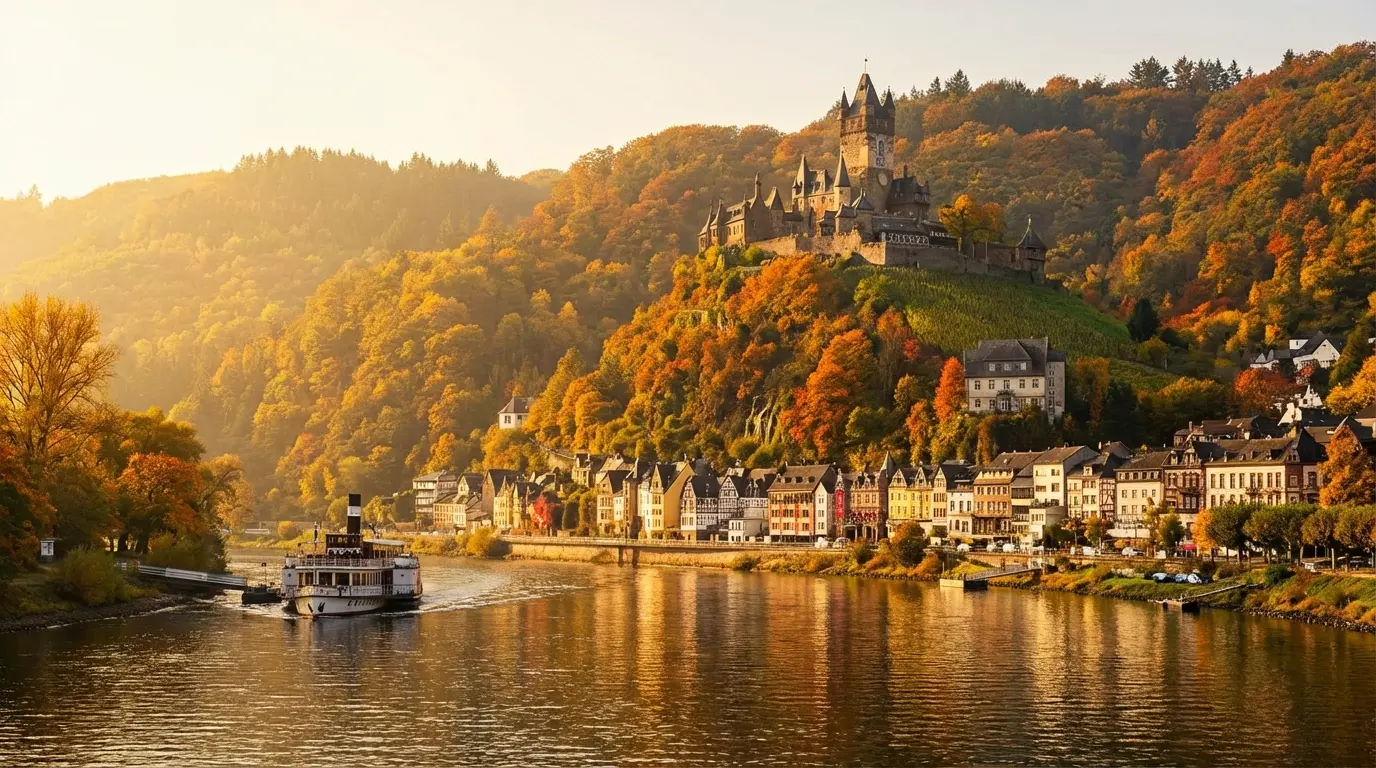
Autumn is, in my experience, the most underrated season for heritage travel to Germany. The summer crowds have thinned. The weather is cool but comfortable, typically in the 50s and low 60s. The landscape turns golden, and outdoor sites carry a reflective quality that matches the emotional tone of many heritage visits.
October in particular offers something close to ideal conditions: manageable weather, reduced crowds, and a sense of quiet that memorial sites benefit from.
High Holidays and the Fall Church Calendar
For Jewish groups, September and early October present a scheduling challenge. Rosh Hashanah and Yom Kippur fall in this window, and most rabbis will want to be home with their congregation for the High Holidays. A Germany trip in late October, after Sukkot has concluded, avoids this conflict entirely and still captures the best of autumn.
For Christian groups, the fall church calendar is generally lighter than spring, making September and October a natural window. Many pastors find this to be the easiest season to organize a group trip without competing with major liturgical observances.
Winter (November through February): The Hardest Season, and Why Some Groups Choose It Anyway
Winter in Germany is cold. Temperatures regularly drop below freezing, daylight hours are short, and outdoor sites like Bergen-Belsen or the Heiliger Sand cemetery in Worms can be physically uncomfortable to visit.
Most groups avoid winter, and that is a reasonable choice. But some groups choose it deliberately, and their reasons are worth understanding.
November 9th: Kristallnacht Anniversary and Its Place in Heritage Travel
November 9th is the anniversary of Kristallnacht, the Night of Broken Glass, when Nazi mobs destroyed synagogues, Jewish businesses, and homes across Germany in 1938. It was the moment when state-sponsored violence against Jews became undeniable.
Today, cities across Germany hold commemorations on November 9th. Candles are placed at Stolpersteine (stumbling stones), the small brass plaques embedded in sidewalks marking where Jewish residents were taken from their homes. Synagogues hold memorial services. The atmosphere is solemn and communal.
For a Jewish heritage group, being in Germany on November 9th adds a dimension to the trip that no other date can provide. It is not easy. It is profoundly heavy. But some rabbis feel that their congregation should witness how Germany itself remembers, and that witnessing becomes part of the healing.
If you are considering a November trip, plan for the cold. Bring your group warm clothing. Schedule more indoor time. And make sure your itinerary builds in moments of warmth and community alongside the heavy commemorations. A shared Shabbat dinner in Berlin on Friday night can be the counterweight your group needs.
The One Date Every Jewish Heritage Group Should Know About
Yom HaShoah, Israel’s Holocaust Remembrance Day, falls in spring, usually in April or May. It is not a German observance, but some German cities, particularly Berlin, hold events and moments of silence in conjunction with it. If your trip falls near Yom HaShoah, your group can observe it at one of Germany’s memorial sites, which creates a uniquely powerful convergence of place and time.
Coordinate with your tour operator to check whether any local observances are planned at the sites on your itinerary. Not every year is the same, but when the dates align, the experience is extraordinary.
Frequently Asked Questions About Germany Heritage Tour Timing
What is the best month to visit Germany for Jewish heritage sites?
Late April, May, and October are the strongest months. They offer mild weather, manageable crowds, and avoid conflicts with major Jewish holidays. Early May, after Passover, is particularly popular with Jewish heritage groups.
Should I schedule a heritage tour around Yom HaShoah or Kristallnacht anniversary?
Both dates add profound meaning to a heritage trip, but they also add emotional weight. Yom HaShoah (spring) is generally more accessible for groups since the weather is mild. The Kristallnacht anniversary (November 9th) is powerful but falls in cold weather. Discuss with your congregation whether the added significance of these dates is right for your group.
Are Germany heritage sites crowded in summer?
Yes. Major sites like Dachau, the Berlin Holocaust Memorial, and Cologne Cathedral see heavy visitor traffic in July and August. The reflective atmosphere that makes heritage visits meaningful can be harder to maintain. If you travel in summer, book early and request morning visits to key sites.
Is Germany cold in spring for an outdoor group tour?
March can still be chilly, with temperatures in the 40s and 50s Fahrenheit. April and May are noticeably warmer and more comfortable for outdoor walking at memorial sites and historic cemeteries. Light layers and a waterproof jacket are recommended for spring travel.
How far in advance should I book a Germany group heritage tour?
Six to nine months for groups of 15 to 30. Nine to twelve months for larger groups or peak-season travel (April through October). Starting the conversation early, even before you have final numbers, gives you the best options for hotels, guides, and site access.
Choosing when to take your community to Germany is one of the first decisions you will make, and one of the most important. If you would like to talk through the timing for your group, we are happy to help you think it through. Visit our Germany destination page to begin.