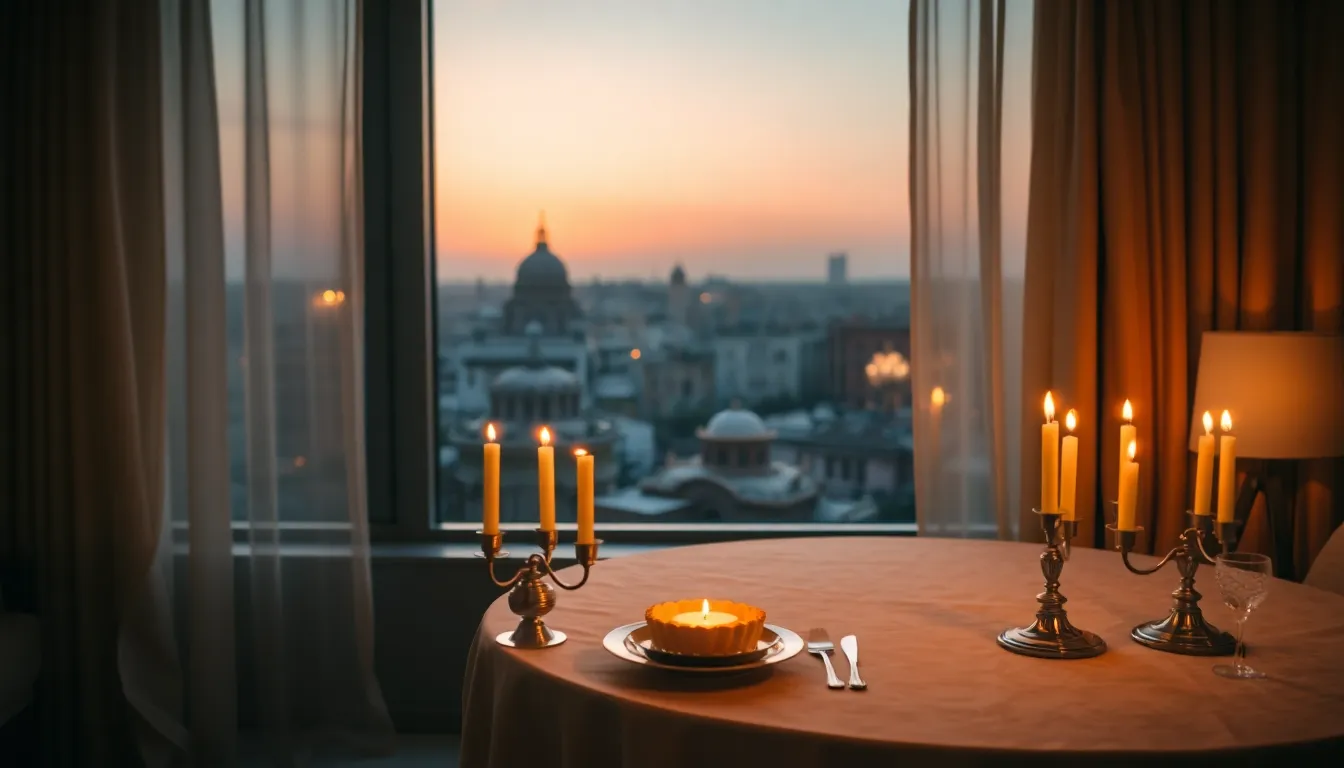
On one of our Cairo trips, a group spent Shabbat in a hotel a short walk from Ben Ezra Synagogue. Friday evening, after candle lighting, one of the older women in the group told me she had not expected to cry. She said she had kept Shabbat her whole life, in many places, but she had never kept it here, in the land her people walked out of. There was a long pause, and then she said, “I feel like I’m resting where we never got to rest.” I have thought about that sentence ever since.
Shabbat on an Egypt heritage tour is not a logistical obstacle to be managed around. It is, for many groups, the spiritual center of the whole journey. After more than twenty years of bringing observant groups through Egypt, I have learned that the trips people remember most are often the ones where Shabbat was planned with real care, so that the day of rest landed exactly as it should: in the right place, with the right pacing, with nothing scrambled at the last minute. Let me walk you through how that works.
Shabbat Is the Anchor, Not the Interruption
The first thing I tell group leaders is to stop thinking of Shabbat as a gap in the itinerary. On a well-built Egypt trip, Shabbat is the anchor that the rest of the week organizes around. You plan the demanding travel, the long site days, and the cruise legs so that you arrive into Shabbat settled, in a good location, with everything in place before sundown. Then the day itself becomes a pause that deepens everything around it.
This requires planning the whole week backward from Shabbat. Where will the group be on Friday afternoon? Is it a place where you can comfortably stay put for a full day, within walking distance of what you need? Is the food handled? Are the rooms close together? When those questions are answered well in advance, Shabbat in Egypt is not a problem to solve. It is the best day of the trip.
Where to Spend Shabbat: Location Is Everything
For an observant group, the single most important Shabbat decision is location, because walking distance governs everything once the day begins.
Cairo and the Synagogue Question
Cairo is the natural place for a meaningful Shabbat, in part because of Ben Ezra Synagogue in Old Cairo and Sha’ar Hashamayim downtown. For groups who want to pray in a historic synagogue on Shabbat, this is extraordinary: davening on Shabbat in one of the oldest synagogues in the world, in the city where Jewish life flourished for a thousand years. It requires advance coordination with the custodial authorities, and where a group wants a full service, arrangements for a minyan, all of which we handle ahead of time.
The practical key is staying within walking distance of wherever the group intends to pray, and keeping the group’s rooms clustered. We choose hotels with Shabbat in mind, so that the walk to the synagogue, or the space for services within the hotel itself, works without anyone needing to travel on the day.
Services Within the Hotel
Not every Shabbat needs to be in a historic synagogue, and not every location makes one accessible. Many of our groups hold a beautiful Shabbat within the hotel itself: a quiet room set aside for Friday evening and Shabbat morning services led by the group’s own rabbi, a Shabbat dinner together, and a restful day in a comfortable setting. This is often the simplest and most restful option, and it is entirely self-contained, which matters in a place where you cannot rely on local Jewish infrastructure.
The Practical Details That Make Shabbat Work
Observant Shabbat in Egypt comes down to the same details as anywhere, planned with the understanding that there is no local community to fall back on.
Walking Distance and Room Clustering
Everything the group needs on Shabbat, the prayer space, the meals, the rooms, should be within walking distance and ideally under one roof or very close to it. We cluster rooms and choose properties specifically so that nobody is faced with a long walk or, worse, the temptation to travel. This is planned at booking, not negotiated at check-in.
Meals and Food
Friday night dinner and Shabbat meals are arranged in advance as part of the group’s overall kosher plan, with the additional consideration that no preparation can happen on Shabbat itself. That means meals are fully prepared before sundown, with proper warming arrangements where appropriate, and everything set up so the day requires no cooking. Our guide to keeping kosher on an Egypt tour covers the food logistics in depth, and Shabbat simply layers the additional requirements on top.
Electricity, Keys, and the Small Things
The small operational details matter: room keys, elevators, lighting, and the other modern conveniences that observant travelers manage on Shabbat. We work through these with the hotel ahead of time so the group is not caught out. None of this is exotic to handle. It just has to be handled before the day arrives, by someone who knows to ask.
Pacing the Whole Trip Around the Day of Rest
A Shabbat that works is the product of a week that was paced for it. Here is what that looks like in practice.
You do not want to arrive into Shabbat exhausted and behind schedule, or stuck mid-transit on a cruise leg or a desert road. So we structure the itinerary so that the group reaches its Shabbat location with comfortable margin on Friday, settled and unhurried, with time to prepare and rest before candle lighting. The day after Shabbat then opens up for continued touring, refreshed.
This pacing is one of the real advantages of traveling with a group built for it. A general tour operator treats Shabbat as a day off to be scheduled around. A heritage operator who works with observant communities treats it as the structural heart of the week. The difference shows up in how the whole trip feels.
Shabbat as Spiritual Peak
I keep coming back to the woman who said she felt like she was resting where her people never got to rest. There is a theological weight to keeping Shabbat in Egypt specifically. The Exodus is woven into the meaning of Shabbat itself; the commandment to rest is tied in the Torah to the memory of slavery in Egypt and the liberation from it. To observe Shabbat in the land of that slavery, as a free people who chose to be there, is something most Jewish travelers never get to do. Many of our group members describe it as the moment the whole trip crystallized.
For groups building their journey around the Exodus story, this resonance compounds with everything else. See our guides to Jewish heritage in Egypt and a Passover heritage trip to Egypt for how Shabbat fits the larger spiritual arc, and our Egypt heritage destination page and group heritage tours for how we structure the trip around it.
FAQ: Observing Shabbat in Egypt
Can an observant group keep Shabbat properly in Egypt?
Yes. Observant groups keep Shabbat in Egypt every year, and for many it becomes the spiritual peak of the trip. Because there is no local Jewish community to rely on, everything is planned in advance: a hotel chosen with Shabbat in mind, rooms clustered, prayer space arranged, meals fully prepared before sundown, and the operational details like keys and lighting worked out with the hotel ahead of time. With proper planning, a fully observant Shabbat in Egypt is entirely achievable and deeply meaningful.
Can we pray at a historic synagogue on Shabbat?
In Cairo, yes, with advance coordination. Ben Ezra Synagogue in Old Cairo and Sha’ar Hashamayim downtown can be arranged for group visits, and where a group wants a full Shabbat service, we coordinate with the custodial authorities and arrange for a minyan where appropriate. The practical requirement is staying within walking distance of the synagogue, which we plan into the hotel choice. Praying on Shabbat in one of the oldest synagogues in the world, in the city where Jewish life flourished for a thousand years, is an extraordinary experience.
What if we cannot reach a synagogue? Can we still have a meaningful Shabbat?
Absolutely. Many groups hold a complete and beautiful Shabbat within the hotel itself: a room set aside for Friday evening and Shabbat morning services led by the group’s own rabbi, Shabbat meals together, and a restful day in a comfortable setting. This self-contained option is often the simplest and most restful, and it does not depend on any local infrastructure. Where the group spends Shabbat is a decision we make together based on the itinerary and the group’s wishes.
How do Shabbat meals work when nothing can be cooked on the day?
All Shabbat meals are fully prepared before sundown, with proper warming arrangements where appropriate, as part of the group’s overall kosher plan. Nothing is cooked on Shabbat itself. This is coordinated with the hotel kitchen in advance, on top of the broader kosher logistics. The result is that the group enjoys a full Friday night dinner and Shabbat meals without any preparation taking place on the day, exactly as observance requires.
Why does Shabbat in Egypt feel so significant?
Shabbat is tied in the Torah to the memory of slavery in Egypt and the liberation from it; the commandment to rest carries the weight of the Exodus. To observe Shabbat in the very land of that slavery, as a free people who have chosen to return as travelers, gives the day a resonance most Jewish people never experience. Many group members describe Shabbat in Egypt as the moment the entire journey came together for them, the point where the history stopped being a story and became something they were standing inside.
If Shabbat is central to how your community travels, it should be central to how the trip is built. Tell me about your group’s observance and what you want your Shabbat in Egypt to be, and I will show you how we make it the anchor of the whole journey. Reach out and let’s plan it together.