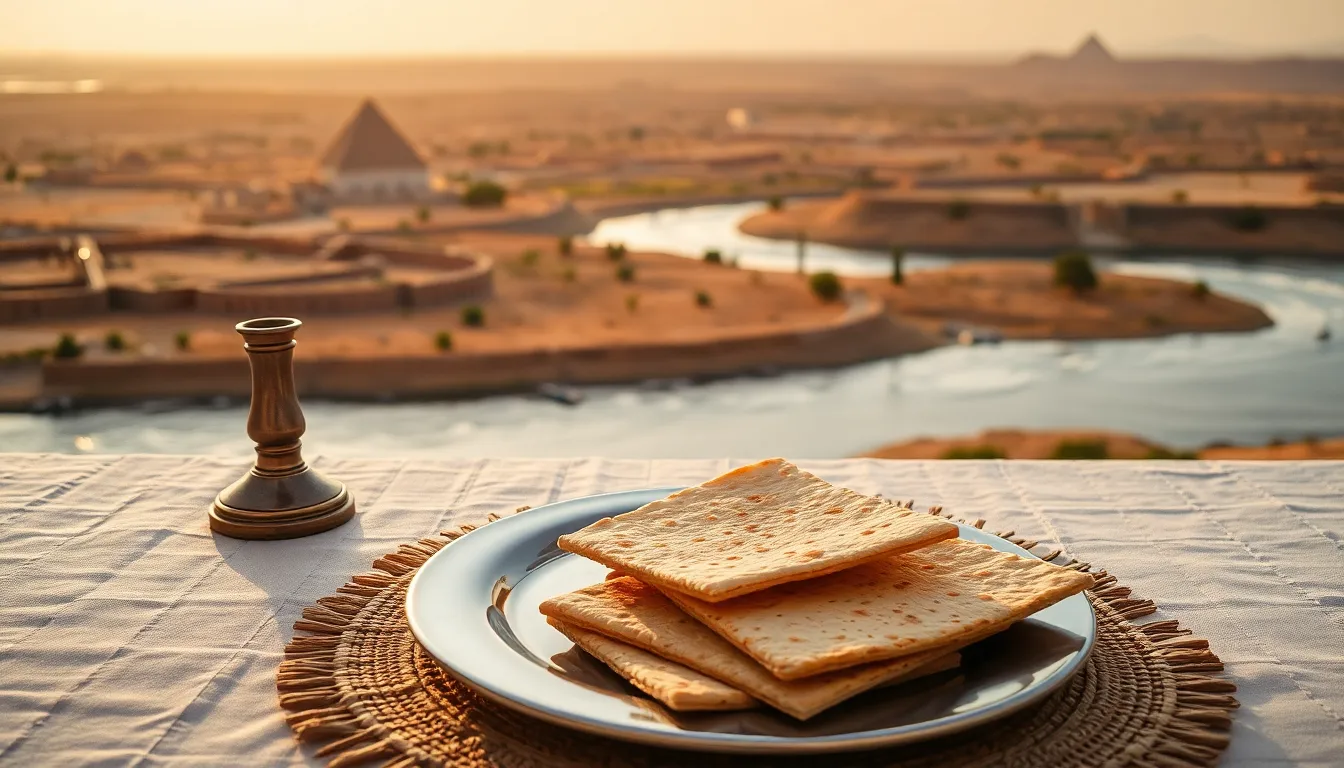
Every year at the Seder we say the words: “In every generation, a person is obligated to see themselves as if they personally left Egypt.” I have said that line my whole life. But the first time I led a group through Egypt in the weeks around Passover, I understood it differently. We were standing in the eastern Delta, the Haggadah barely closed from the season, and a teacher in the group turned to me and said, “I don’t have to imagine it. I’m here.” That is what a Passover heritage trip to Egypt does. It collapses the distance between the story and the ground.
I have been bringing Jewish groups to Egypt for more than twenty years, and I will tell you plainly: there is no time of year when this destination lands the way it does around Passover. The whole trip is the Exodus story, and when you travel it while that story is fresh in your community’s mouth and heart, something connects that you cannot manufacture at any other time. Let me explain why, and how to actually plan it.
Why Passover Changes Everything
The Passover Seder is the single most observed ritual in Jewish life, and its entire subject is the journey out of Egypt. The bitterness of the maror, the haste of the matzah, the four cups, the telling, the questions. Every piece of it points back to the land you are standing in when you travel Egypt around the holiday.
The Story Is Already in the Air
When a group arrives in Egypt in the weeks surrounding Passover, they arrive primed. They have just read the Haggadah, or they are about to. The narrative is alive in them in a way it simply is not in October. So when they stand in the land of Goshen, or look out toward the Red Sea coast, or feel the weight of the great Egyptian monuments that the enslaved Israelites lived beneath, the words they have been reciting their whole lives suddenly have a place to land. The story stops being recitation and becomes geography.
I have watched the same sites produce completely different responses depending on the season. The same field in the Delta that draws a thoughtful nod in fall draws tears in spring, because the people standing in it have the Seder fresh in their bones. That is not a small thing. For a community leader, that heightened presence is the whole reason to time a trip this way.
Seeing Yourself as Having Left Egypt
The Haggadah’s command to see yourself as if you personally left Egypt is, in a quiet way, the spiritual mission of the entire trip. A Passover heritage journey takes that imaginative act and gives it ground to stand on. You do not have to picture the Delta. You walk it. You do not have to imagine the scale of the empire that held your ancestors. You stand beneath its monuments. The obligation the Seder places on every Jew becomes, for a week, a literal experience.
Three Ways to Time a Passover Trip
There is no single right way to do this, and the timing question deserves real thought. Here are the three approaches groups take.
Before Passover
Traveling in the two to three weeks before Passover, typically mid to late March depending on the year, is the option I recommend most often. The spiritual resonance is at full strength: the story is approaching, the anticipation is building, and the community returns home ready to experience their Seder transformed by having stood in the land. The practical advantage is significant too: you avoid the complex kashrut logistics of traveling during the holiday itself, which simplifies the whole trip considerably.
During Passover
Traveling during the holiday itself, including holding a Seder in Egypt, is the most powerful version and also the most demanding. A Seder in the land of the Exodus is unforgettable. But Passover kashrut layered onto a country with no kosher infrastructure is the most involved food logistics we handle, and it requires the earliest possible planning, often well over a year ahead. For the right group, with the right lead time, it is worth every ounce of effort. We are honest with groups about what it takes.
After Passover
Traveling in the weeks just after Passover keeps the story present in fresh memory while easing the holiday-specific logistics. The Seder is behind the group, the narrative is still vivid, and the trip becomes a kind of extended reflection on what they have just observed. For some communities, especially those who want their people home for the Seder itself, this is the ideal balance.
The Practical Realities of a Pesach Trip
A Passover heritage trip is deeply rewarding and genuinely involved to plan. Here is what shapes it.
Book Far Earlier Than You Think
Spring is Egypt’s peak season, and Passover-adjacent travel is the most competitive window of the year. I tell every group leader the same thing: start earlier than feels necessary. Eighteen months ahead is not too soon for a Passover trip, and for travel during the holiday itself with a full Seder and Passover kashrut, that lead time is close to a requirement. Groups who start late end up with second-choice hotels or struggle to fill their numbers. The earliest planners get the best of everything. Our guide to the best time to visit Egypt goes deeper on the seasonal picture.
Kashrut Is the Central Logistics Challenge
If you travel during the holiday, Passover kashrut is the defining logistical task of the trip. It relies heavily on imported supervised provisions, a menu built entirely around Passover-appropriate foods, and meticulous advance planning. This is exactly the kind of thing that should be entirely on us, not on you. Our full approach is laid out in our guide to keeping kosher on an Egypt heritage tour. The short version: it is workable, it is planned far ahead, and a good operator makes it feel seamless to the traveler.
Building the Itinerary Around the Story
A Passover-focused itinerary leans into the Exodus geography. The land of Goshen in the eastern Delta, where the family settled and the bondage began, is essential; see our guide to the land of Goshen. The great monuments of Cairo provide the contrast of the empire. Depending on the group and the season’s coordination realities, the route may extend toward the Red Sea coast and the Sinai dimension of the story, which we plan separately given its own access requirements. And if Shabbat falls within the trip, it becomes a profound second anchor; our guide to observing Shabbat in Egypt covers that.
Holding a Seder in Egypt
For groups traveling during the holiday, a Seder in Egypt is the emotional summit of the whole experience, and it has to be built with care. The meal must meet the group’s Passover kashrut standard, fully prepared in advance. The setting matters: a space where the group can sit together, tell the story, and feel the gravity of where they are. And the leadership is the group’s own, with the rabbi or leader guiding the Seder as they would at home, except that home, this year, is the land the Haggadah is about.
I will not pretend it is simple to arrange. It is the most involved single event we coordinate. But I have sat at those Seders, and I have watched what happens when a community reads “we were slaves in Egypt” while actually in Egypt. There is nothing else like it in Jewish travel.
FAQ: A Passover Heritage Trip to Egypt
Why travel to Egypt around Passover specifically?
Because the entire Passover story is the journey out of Egypt, and traveling there while the Seder is fresh in your community collapses the distance between the story and the ground. Groups arrive primed by the Haggadah, and sites like the land of Goshen and the Exodus geography land with an emotional force that is hard to reach at other times of year. The Seder’s command to see yourself as if you personally left Egypt becomes, for a week, a literal experience rather than an act of imagination.
Should we travel before, during, or after Passover?
All three work, with different tradeoffs. Traveling in the weeks before Passover gives full spiritual resonance while avoiding the holiday’s complex kashrut logistics, which is why we often recommend it. Traveling during the holiday, including a Seder in Egypt, is the most powerful version and the most demanding to plan, requiring the earliest lead time. Traveling just after keeps the story fresh in memory while easing logistics and lets people be home for their own Seder. We help each group choose based on their priorities and observance.
How far ahead do we need to book a Passover trip to Egypt?
Earlier than you think. Passover-adjacent travel is the most competitive window of Egypt’s peak season, and eighteen months ahead is not excessive. For travel during the holiday itself, with a full Seder and Passover kashrut, that long lead time is close to a requirement. Early planners secure the best hotels and have time to build their group numbers, while late starters often settle for second choices or struggle to fill the trip.
Can we keep Passover kashrut in Egypt?
Yes, with thorough advance planning. Passover kashrut in a country with no kosher infrastructure relies on imported supervised provisions and a menu built entirely around Passover-appropriate foods, planned far ahead. It is the most involved food logistics we handle, and a good operator makes it seamless for the traveler. Many groups travel just before or just after the holiday to keep the spiritual resonance while simplifying the food side. We walk every group through which approach fits them.
Can we hold a Seder in Egypt?
Yes, for groups traveling during the holiday, and it is the emotional summit of the trip. The Seder must meet the group’s Passover kashrut standard and be fully prepared in advance, in a setting where the group can sit together and tell the story, led by the group’s own rabbi. It is the most involved single event we coordinate, and it is unforgettable. Reading “we were slaves in Egypt” while actually in Egypt is an experience that stays with people for the rest of their lives.
If a Passover journey to Egypt is something your community has dreamed about, the most important thing you can do is start the conversation early. Tell me about your group, your observance, and how close to the holiday you want to travel, and I will help you build it properly. Reach out and let’s begin.