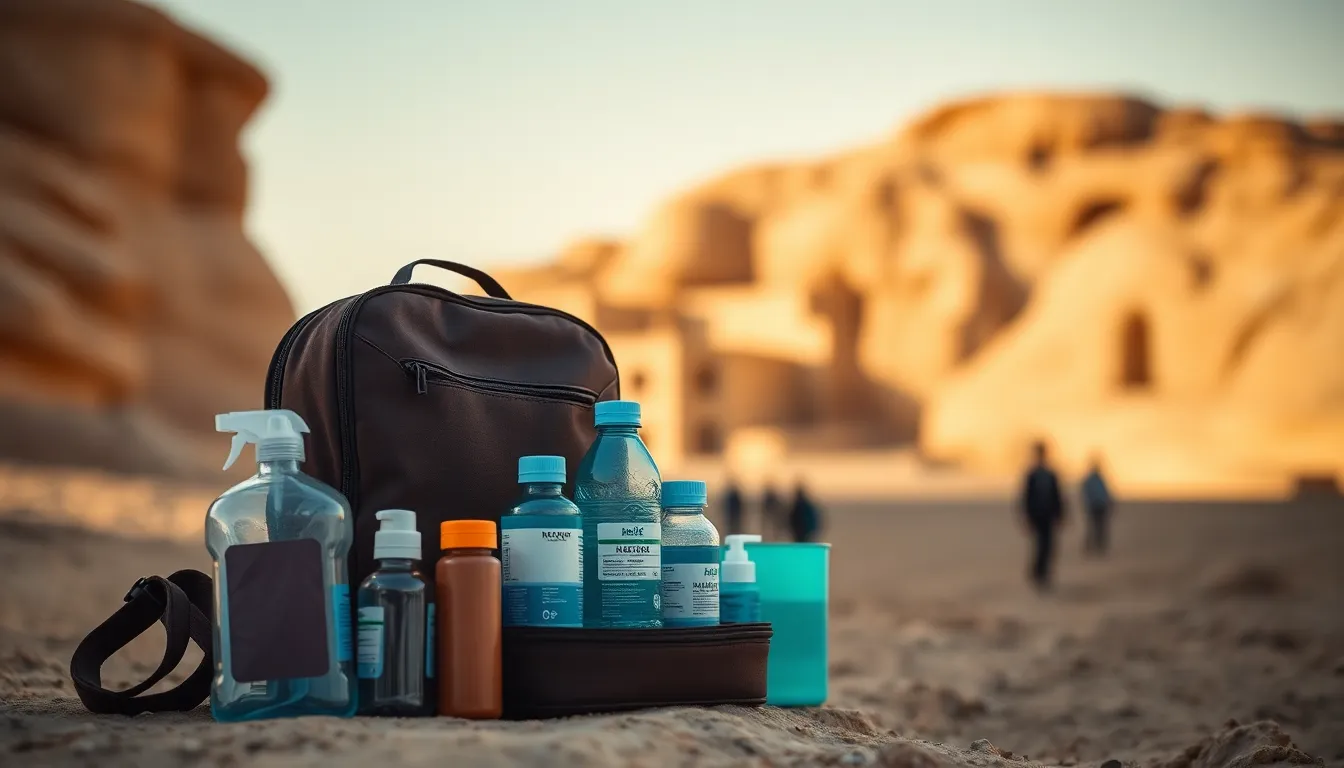
When a group leader asks me about health for an Egypt trip, they usually mean shots. “What vaccinations do we need?” And that’s a fair question, but it’s the smaller half of the answer. After more than twenty years of leading congregations through Egypt, I can tell you that the health issues that actually affect groups are rarely exotic diseases. They’re the ordinary things: stomach upset, dehydration, sun, the physical toll of long site days on older bodies, and the handful of people who didn’t bring enough of their own medication.
So let me give you the practical health picture for a faith group, the kind I’d give a pastor or rabbi planning to bring fifteen or more people. I’m a tour leader, not a doctor, and nothing here replaces a conversation with a travel clinic or your members’ own physicians. What I can offer is twenty years of watching what comes up and what prevents it.
Start With a Travel Clinic, Not a Web Search
The single most useful thing you can tell your group is this: see a travel health clinic or your doctor four to six weeks before departure. Vaccination recommendations change, they depend on each person’s history and health, and some shots need time to take effect or come in a series. A clinic will give each member advice tailored to their age, their existing conditions, and the specific parts of Egypt your itinerary covers.
I push the four-to-six-week timeline because last-minute appointments are where people get caught. If someone needs a vaccine that takes two weeks to become effective, finding that out the week before the flight is a problem.
Vaccinations: The General Shape
I want to be careful here, because this is exactly the area where a travel clinic should have the final word for each person. But group leaders find it helpful to know the general shape of the conversation so they can prepare their members.
For most travelers to Egypt, health authorities commonly point to routine vaccinations being up to date (things like measles, mumps, rubella, tetanus, and the like) plus a couple of travel-specific ones often discussed for Egypt, such as hepatitis A and typhoid, both of which relate to food and water exposure. Hepatitis B and others may come up depending on a person’s situation. Whether any given member needs any given vaccine is a clinic decision, not mine and not a blog’s.
One practical point on entry requirements: requirements can change, and a small number of vaccines are sometimes tied to where a traveler is arriving from rather than to Egypt itself. Your travel clinic will check the current rules for your group. Don’t rely on what was true on a past trip.
The Health Issues That Actually Affect Groups
Stomach Upset and the Water Rule
The most common health complaint on any Egypt trip is travelers’ stomach upset, and it’s almost always preventable. The core rule is simple and I repeat it to every group: drink bottled or properly treated water only, and skip the ice unless you know it’s made from safe water. That extends to brushing teeth with bottled water and being thoughtful about raw produce and street food.
This is not about Egypt being unsafe. It’s about your system meeting unfamiliar local bacteria. I tell groups to pack an anti-diarrheal and an oral rehydration solution, and to talk to their doctor about whether carrying an antibiotic for travelers’ illness makes sense for them. Most cases are mild and pass in a day. Catching dehydration early is what keeps a mild case from derailing someone’s trip.
Dehydration and Heat
Egypt is dry, and even in the comfortable months people drink less than they need without noticing. Dehydration sneaks up, especially on older travelers, and it amplifies everything else, fatigue, dizziness, the effects of stomach upset. I tell every group member to carry water at all times and to drink more than thirst suggests.
In the warmer months this becomes a safety issue rather than a comfort one. If your trip falls in late spring or summer, sun protection and hydration move to the top of the list, and we build itineraries around early starts and midday breaks for exactly this reason. The cooler fall and winter windows are easier on this front, which is one more reason I steer mixed-age groups toward them when the calendar allows.
Sun
The Egyptian sun is strong even when the air feels mild. Wide-brim hat, sunglasses, real sunscreen reapplied through the day, and long, light layers for the open desert sites. Older skin and anyone on photosensitizing medication needs extra care. This is cheap insurance against a miserable afternoon.
The Medication Conversation Leaders Forget to Have
Here’s the one I wish more leaders had before the trip rather than during it. In a congregation of fifteen or more, several people take daily prescription medications, and some of them under-pack.
Tell every member, plainly: bring more of your prescription medication than the trip length, keep it in original labeled containers, and pack it in your carry-on, never your checked bag. A bag that gets delayed shouldn’t mean someone skips their heart or blood-pressure medication for two days. I also ask leaders to carry a simple, private list of any members’ significant conditions and the emergency contacts, so that if something happens at a site, we’re not improvising.
A small group medical kit helps too: pain relievers, anti-diarrheal, rehydration salts, antihistamine, blister care for all that walking, and any personal items members rely on. We can advise on what’s worth bringing for your specific itinerary.
Physical Readiness for the Sinai and the Long Site Days
Egypt asks more of the body than people expect, and not because of disease. It’s the walking. Long days on uneven ancient stone, the descending corridors of the Valley of the Kings tombs, and above all the Mount Sinai night climb. Anyone with heart, lung, knee, or balance concerns should talk to their doctor specifically about the Sinai ascent before committing to it.
This overlaps heavily with mobility planning, so for the site-by-site physical reality, our guide to accessibility on Egypt heritage tours breaks down exactly what each place demands. The health point is simply this: physical readiness is part of health prep, and the honest conversation belongs before the trip, not at the base of the mountain at midnight.
Travel Insurance and Care on the Ground
I won’t lead a group without recommending travel medical insurance that covers care abroad and, ideally, emergency evacuation. Egypt has capable private hospitals in Cairo and the major tourist centers, and our team knows how to get a traveler to appropriate care quickly. But coverage protects your members financially and gives everyone peace of mind. For a group, this is non-negotiable in my book.
We coordinate the on-the-ground side, knowing where care is, getting people there, communicating with families. Your job as leader is to make sure everyone arrives prepared and insured.
FAQ: Health and Vaccinations for Egypt
What vaccinations do I need for Egypt?
That’s a decision for a travel clinic or your doctor, because it depends on your health history, age, and itinerary. In general, authorities commonly emphasize keeping routine vaccinations current and often discuss travel-specific ones such as hepatitis A and typhoid, which relate to food and water exposure. Entry requirements can change and are sometimes tied to where you’re arriving from. See a travel clinic four to six weeks before departure so there’s time for any series or for a vaccine to take effect.
How do I avoid getting sick from food and water in Egypt?
Drink only bottled or properly treated water, skip ice unless you know it’s safe, and brush your teeth with bottled water. Be thoughtful about raw produce and street food. Pack an anti-diarrheal and oral rehydration salts, and ask your doctor whether carrying an antibiotic for travelers’ illness makes sense for you. Most stomach upset is mild and passes within a day if you stay hydrated.
Is Egypt safe for older travelers health-wise?
Yes, with preparation. The main risks for older travelers are dehydration, heat, and the physical demands of long site days, more than any disease. Cooler-month trips reduce heat stress significantly. The key steps are honest conversations with their own doctors about the Sinai climb, bringing ample medication in carry-on bags, staying well hydrated, and carrying good travel medical insurance.
What medications should I pack for an Egypt trip?
Bring more of your prescription medication than the trip length, in original labeled containers, in your carry-on rather than checked baggage. For a general kit, consider pain relievers, an anti-diarrheal, oral rehydration salts, an antihistamine, blister care for all the walking, and sun protection. We can advise on specifics for your itinerary.
Do I need travel insurance for Egypt?
I strongly recommend it for every group member: travel medical insurance that covers care abroad and emergency evacuation. Egypt has capable private hospitals in Cairo and the tourist centers, and we know how to reach care quickly, but insurance protects your members financially and gives families peace of mind. For a group, I treat it as essential.
Good health prep is mostly unglamorous and almost entirely about preventing the ordinary things before they start. If you’re planning a trip for your congregation, I’m glad to help you put together a clear pre-trip health checklist for your members and answer their specific questions.
Contact us and we’ll make sure your group arrives ready.