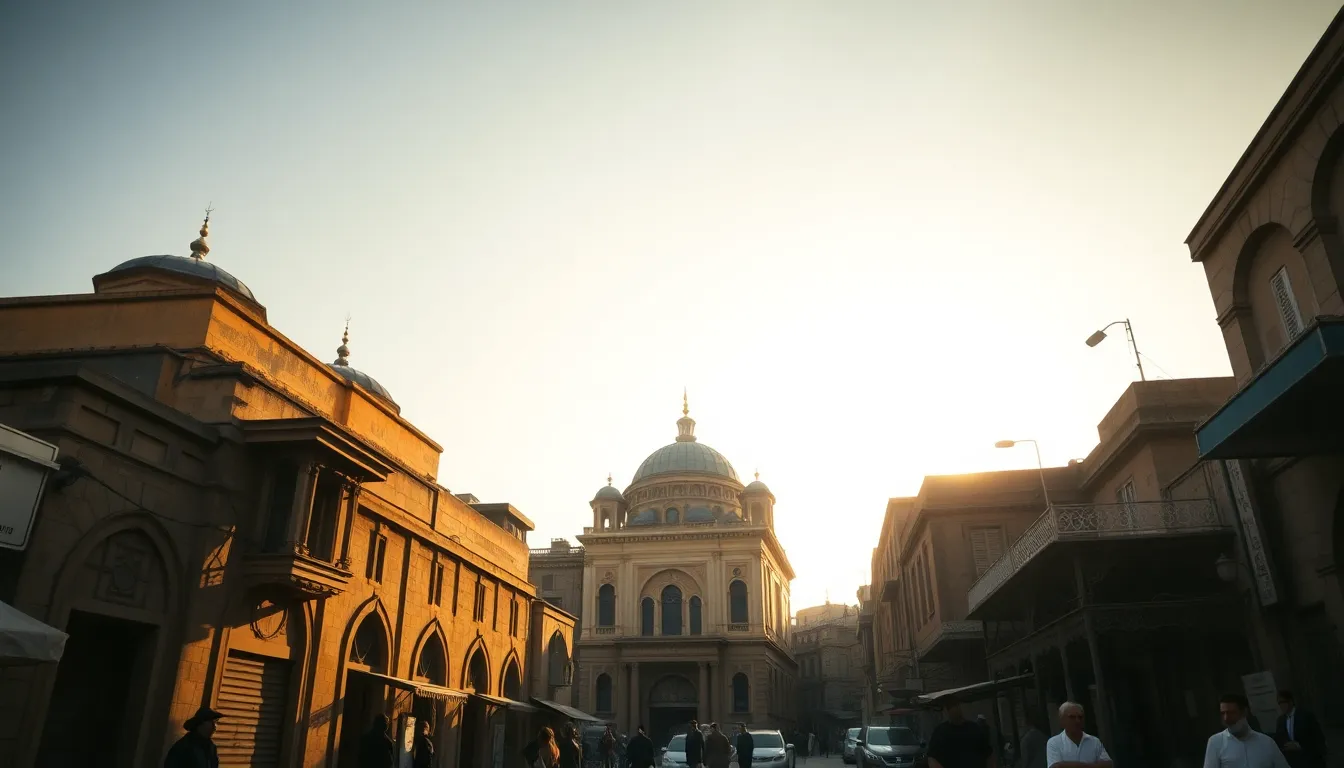
Most first-time group leaders never even consider winter for Egypt, and I understand why. The word “winter” makes people picture cold, and the word “Egypt” makes them picture desert heat, so the two cancel out in their heads and they default to spring. After more than twenty years of leading these journeys, I think that’s a mistake worth correcting. Winter is one of Egypt’s most comfortable and least crowded seasons, and for some groups it delivers more per person than any other time of year.
Let me make the case month by month, and tell you the one thing you genuinely have to prepare for.
Why Winter Is Underrated
Egypt’s heritage sites sit mostly in the Nile Valley and the desert, and from December through February those places are mild and pleasant by day. The brutal summer heat is gone. The peak spring crowds haven’t arrived. Hotels that are fully committed weeks ahead in April often have real flexibility in January, and prices are generally lower.
For a group leader weighing budget and experience quality together, that combination is hard to beat. A February trip sometimes delivers more, quieter sites, easier access, lower cost, than a spring trip at a meaningful discount. For the full year-round comparison, our best time to visit Egypt guide sets winter against the other seasons. This piece stays inside the December-to-February window.
December: Mild Days and the Coptic Christmas Season
December surprises people. Cairo days are mild, roughly 18 to 21 degrees Celsius (64 to 70 Fahrenheit), and nights are cool. It’s genuinely comfortable for outdoor site visits, with low humidity and little rain in the valley.
For groups interested in Coptic heritage, December carries real meaning. The Holy Family sites, the places in and around Cairo where tradition holds that Mary, Joseph, and the infant Jesus sheltered during the flight from Herod, have a particular resonance for Christian groups traveling near Christmas. Egypt is one of the few places on earth where you can trace that early chapter of the New Testament on the ground.
A scheduling note: Coptic Christmas falls on January 7, not December 25. If experiencing Coptic Christmas services in Cairo’s ancient churches matters to your group, that pulls your dates into early January rather than late December.
January: The Quiet Heart of Winter
January is the quietest stretch of the Egyptian travel year and, for many of my groups, the best value. Cairo days stay mild, similar to December, and the major sites are about as uncrowded as they ever get. Your group can have the Egyptian Museum and the Valley of the Kings with real room to breathe.
Coptic Christmas on January 7 anchors the early part of the month for groups focused on Coptic heritage. The services at the old churches in Cairo’s Coptic quarter carry a gravity and beauty worth experiencing if your timing allows.
January is also where the Sinai warning gets loudest, so let me hold that thought for its own section below.
February: Late Winter, Warming Slightly
By February the days are inching back up, still comfortable in Cairo and pleasant for site visits, with the quiet of winter mostly intact before spring crowds build in March. February is a strong value month for the same reasons as January, with slightly milder Sinai nights as the season turns. If you want winter’s calm and price with a touch more warmth, late February is a sweet spot.
The One Thing You Must Prepare For: The Sinai Cold
Here is the watch-out that matters more than any other in winter, and the reason I never let a leader book a winter Sinai overnight casually.
If your itinerary includes the pre-dawn Mount Sinai ascent and an overnight near St. Catherine’s, you are going into genuine cold. The Sinai interior is its own micro-climate, and winter nights in the desert mountains can dip below 5 degrees Celsius (41 Fahrenheit), sometimes below freezing at the summit before dawn. Wind chill makes it feel worse.
Groups from North America consistently arrive underprepared for this. They’ve packed for “Egypt,” meaning light clothing and sun protection, and they’ve thought about heat, not about sitting on a rocky mountaintop at altitude in the dark waiting for the sun. Bring a real winter jacket, a hat, and gloves. I have watched well-traveled adults shiver uncontrollably at the summit because they brought a light fleece and nothing more.
This is not a reason to skip the Sinai in winter. The climb is the emotional peak of almost every Egypt heritage itinerary I run, and doing it in the crisp winter dark, with the sunrise breaking over the desert, is unforgettable. It just requires honest preparation. Our Egypt heritage travel tips go deep on the Sinai climb, including what the cold and the steps actually demand of a mixed-age group.
Winter and Older Travelers
For congregations with members in their 60s and 70s, winter has a quiet advantage at the valley sites: the mild daytime temperatures remove the heat stress that makes spring and especially summer harder on older bodies. The Cairo and Luxor portions of a winter itinerary are gentle on everyone.
The Sinai is the exception, and not everyone in your group needs to summit. Some people have profound experiences waiting at the base in the cold and the moonlight with tea and silence. For a full site-by-site read on what’s walkable for whom, see accessibility on Egypt heritage tours.
Booking a Winter Trip
Winter’s availability advantage cuts both ways. You have more flexibility than in spring, but the genuinely good hotels still book, especially around Coptic Christmas in early January. For a group of fifteen or more, eight to twelve months of lead time keeps everything comfortable.
And the planning math is worth saying plainly: with Heritage Tours, the group leader travels free with fifteen or more participants. Winter’s lower base costs plus that threshold can make a winter trip especially workable for a congregation watching its budget. See how we structure these journeys on our Egypt destination page and how the leader role works on our group tours page.
FAQ: Egypt in Winter
Is Egypt too cold to visit in winter?
No. The valley sites, Cairo, Luxor, Aswan, are mild and comfortable by day through December, January, and February, typically 18 to 21 degrees Celsius (64 to 70 Fahrenheit) in Cairo. The genuine cold is specific to the Sinai mountains at night, where pre-dawn temperatures can drop below freezing. With the right layers for the Sinai overnight, winter is one of the most comfortable seasons in Egypt.
When is Coptic Christmas, and is it worth planning around?
Coptic Christmas falls on January 7. For groups focused on Coptic heritage, the services at the ancient churches in Cairo’s Coptic quarter carry real weight and beauty. If that experience matters to your group, plan your dates around early January rather than late December.
Why is winter cheaper than spring for an Egypt group trip?
Winter sees fewer tourists than Egypt’s peak spring season, so hotels have more availability and prices are generally lower. For a group leader weighing budget against experience, winter often delivers quieter sites and easier access at a lower cost, which can mean more value per person than a spring trip.
What do I absolutely have to pack for a winter Sinai climb?
A real winter jacket, a warm hat, and gloves, plus warm layers underneath. The Sinai summit before dawn can be near or below freezing in winter, even though the valley below is mild. A light fleece is not enough. People consistently underpack for this, and the cold at the summit is the one part of winter Egypt that genuinely surprises groups.
Are the major sites quieter in winter?
Yes. January in particular is the quietest stretch of the Egyptian travel year. Your group can have the Egyptian Museum, the Pyramids, and the Valley of the Kings with far more room than in spring. The light is good, the lines are short, and the experience feels less rushed.
If a mild, quiet, well-priced winter journey fits your community, I’d be glad to walk through the dates with you, especially the Sinai planning, which is the part worth getting right. Winter is the season most leaders overlook and the one many wish they’d chosen.
Contact us whenever you’re ready to talk it through.