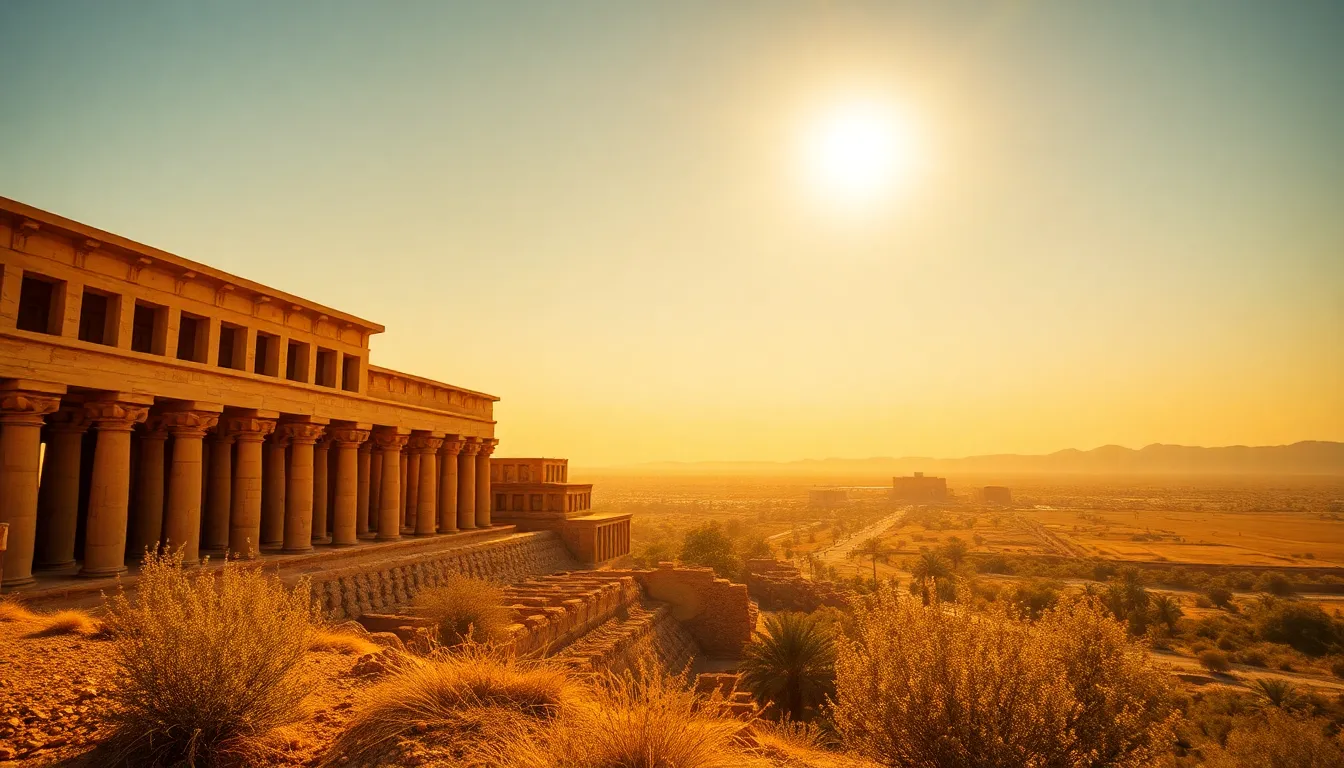
If I could only move one group to Egypt each year, and I had to pick the window blind, I would pick late October or November almost every time. I’ve been leading these journeys for more than twenty years, and the fall is where the weather, the crowds, and the faith calendar line up better than any other stretch of the year.
I want to be specific about why, because “fall is nice” is not a planning decision. October and November are not the same month. They behave differently on the ground, and a group leader scheduling a synagogue or church trip needs the difference spelled out. So let me walk you through the fall sweet spot the way I’d walk a first-time leader through it on the phone.
Why Fall Works When Spring Sometimes Fights You
Spring in Egypt has the strongest spiritual pull, especially around Passover, and I love spring trips. But spring also carries Egypt’s peak tourist crowds and the occasional spring heat spike, particularly by May. Fall gives you most of spring’s comfort with far fewer people in front of you at the Egyptian Museum.
There’s a calendar reason too. If your congregation follows the Jewish calendar, you know the High Holiday season from Rosh Hashanah through Sukkot keeps everyone close to home through most of September and into early October. When it lifts, there’s a collective exhale. People are spiritually fed and ready for something significant. Late October into November catches that energy at exactly the right moment. Many of our most meaningful groups travel in this window for that single reason.
For more on how fall compares to the other seasons across the whole year, our best time to visit Egypt guide lays out the full picture. This piece narrows in on the fall window itself.
October, Week by Week
Early October: Still Holiday Season at Home
The first half of October often overlaps with the tail of the High Holidays and Sukkot. For Jewish groups, this is usually not your travel window. People are observing at home. If you’re leading a Christian group with no calendar conflict, early October is already excellent weather, and you’ll have the shoulder-season quiet before fall tourism picks up.
Mid-to-Late October: The Window Opens
Once the holidays clear, usually by the third week, the door swings open. Daytime temperatures in Cairo sit around 26 to 30 degrees Celsius (79 to 86 Fahrenheit). Luxor and Aswan run a few degrees warmer. Nights cool off pleasantly. Humidity is low and rain is rare.
This is when I like to move a group. The summer heat is gone, the light has that golden quality the desert gets in autumn, and the major sites have thinned out from the spring peak. Your people get room to breathe at the Pyramids and inside the Valley of the Kings tombs.
One honest note on late October Sinai: the nights are mild but already cooling at altitude. If your itinerary includes the Mount Sinai sunrise climb, a real layer matters even now. More on that below.
November, Week by Week
Early-to-Mid November: Many Leaders Call This the Peak
If you asked me to name a single best stretch, I’d point at the first three weeks of November. Cairo days settle into the low-to-mid 20s Celsius (low-to-mid 70s Fahrenheit). The Nile Valley is at its most inviting. Sites are quiet. The light is extraordinary in a way photographs never quite capture.
November is also the best month of the fall for the Sinai. The pre-dawn ascent of Jebel Musa, the Mountain of Moses, is the emotional peak of almost every Egypt heritage itinerary I run, and it’s physically demanding. Doing it in November’s cooler air is a better experience than doing it in spring heat. The summit at dawn is genuinely cold, near or below freezing, even when the valley below is comfortable. Pack a real jacket, a hat, and gloves. People from North America consistently underpack for this, and I’ve watched well-traveled adults shiver through the sunrise because they brought a light fleece and nothing more.
Late November: Edging Toward Winter
By the last week of November, you’re feeling the front edge of winter. Cairo is still comfortable for daytime site visits, but Sinai nights get properly cold and the days shorten. None of this is a reason to avoid late November. It just means your packing list shifts warmer and your early starts feel a touch crisper.
What the Fall Window Means for Mixed-Age Groups
Most faith groups I lead are mixed in age. You’ll have people in their 30s and people in their 70s in the same congregation, walking the same sites. Fall removes physical difficulty from the equation in a way that matters enormously for that mix.
When the heat is gone, the focus stays where it belongs, on the encounter with the place and the story, not on whether someone is going to overheat at midday in front of a temple. For a group with older members, October and November are the windows where the trip stays comfortable for everyone, and where more of your people can attempt the experiences that ask something of the body, like the Sinai climb.
If you’re weighing how the climb and the cold work for an older congregation specifically, our Egypt heritage travel tips go deep on the realities of the Sinai ascent and what to prepare your people for. And for groups thinking about who can manage which sites, accessibility on Egypt heritage tours breaks it down site by site.
Booking the Fall Window
Fall is popular, and for good reason, so it does fill. For a group of fifteen or more, eight to twelve months of lead time is comfortable. That gives you runway to hold a good block of hotel rooms, coordinate the access permissions some Egypt sites require, and build your group to the number that works for your community.
One thing I always make sure leaders know: with Heritage Tours, the group leader travels free with fifteen or more participants. That changes the planning math for a synagogue or church, and the earlier you confirm your dates, the easier the fifteen-person threshold is to reach. You can see how we structure these journeys on our Egypt destination page and how the leader experience works on our group tours page.
FAQ: Egypt in October and November
Is October or November better for an Egypt heritage trip?
Both are excellent, and the choice often comes down to your calendar. Early October frequently overlaps with the High Holidays, so Jewish groups usually travel from the third week of October onward. If I had to pick a single peak, I’d say the first three weeks of November: comfortable Cairo days, quiet sites, and the best Sinai conditions of the season. October is slightly warmer, which some groups prefer.
What is the weather like in Egypt in October and November?
October days in Cairo run roughly 26 to 30 degrees Celsius (79 to 86 Fahrenheit), cooling at night. November settles into the low-to-mid 20s Celsius (low-to-mid 70s Fahrenheit). Luxor and Aswan are a few degrees warmer than Cairo. Humidity is low and rain is rare across both months. The one exception is the Sinai at altitude, where pre-dawn temperatures can hit or drop below freezing.
Are the major sites crowded in the fall?
Less than in spring, which is Egypt’s peak tourist season. Fall is a shoulder window. With a good guide and a well-timed itinerary, your group gets real room at the Egyptian Museum, the Pyramids, and the Valley of the Kings. The light is better and the lines are shorter than they’d be in April.
Why do so many Jewish groups travel right after the High Holidays?
Because the calendar clears and the energy is right. The High Holiday season keeps congregations home through September and into early October. When it lifts, people are spiritually fed and ready for a major journey, and the weather has turned ideal at the same moment. Late October through November catches that overlap, which is why it’s one of the windows I recommend most often.
How far ahead should I book a fall Egypt group trip?
Eight to twelve months is comfortable for a group of fifteen or more. Fall is popular, so earlier is better if you want first-choice hotels. Starting early also gives you time to present the trip to your congregation, answer their questions, and reach the fifteen-person threshold that lets the group leader travel free.
If fall feels like the right season for your community, I’d be glad to talk through the specific dates that fit your calendar. The timing conversation is almost always the first one I have with a group leader, and the fall window leaves a lot of room to get it right.
Contact us whenever you’re ready to start.