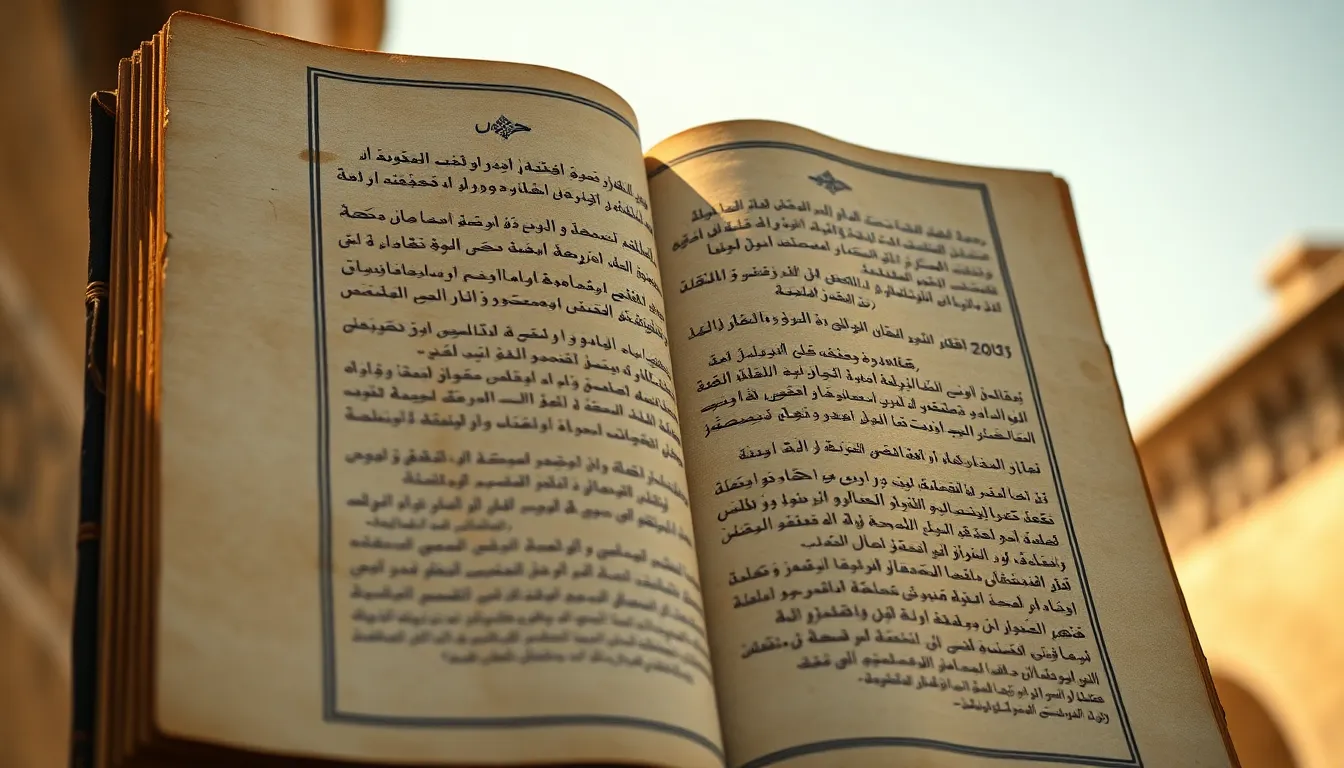
When I plan a Jewish heritage trip to Turkey, I tell group leaders that the whole journey rests on one decision made by one man in 1492. Without it, there is no Sephardic Istanbul, no Ahrida bimah shaped like a ship, no Ladino songs carried across five centuries. The synagogues we visit, the quarters we walk, the community that is still there, all of it grows from a sultan who looked at Spain’s expulsion order and saw, instead of a problem, an opportunity. That story is the foundation under every other stop, so it is worth telling well.
This is the half of the story most people do not know. The expulsion from Spain is famous. The welcome that followed is not. Let me give you the welcome.
1492: Two Decisions, One Year
The year is fixed in Jewish memory. In March 1492, Ferdinand and Isabella signed the Alhambra Decree, ordering every Jew in Spain to convert or leave within four months. Families whose roots in Iberia ran back more than a thousand years were forced out with almost nothing. They scattered across the Mediterranean, looking for any door that would open.
Most doors did not open. Some rulers turned the refugees away. Others let them in only to exploit or expel them again. The Sephardim, the Jews of Sepharad, which is Spain in Hebrew, were a people suddenly without a country, carrying their language, their books, and their traditions toward an uncertain shore.
Then the Ottoman door opened, and it opened wide.
Sultan Bayezid II Said Yes
Sultan Bayezid II did not merely permit the expelled Jews to enter his empire. He sent the navy. According to the accounts that have come down to us, he dispatched Ottoman ships to Spanish ports to carry the refugees to safety, and he issued orders across the empire that they were to be received, not turned away.
There is a line attributed to him that has echoed for five centuries. Looking at Ferdinand of Spain, Bayezid is said to have remarked: “You call this king wise? He is impoverishing his country and enriching mine.” Whether those were his exact words, no one can prove. What can be proven is what happened next.
Tens of thousands of Sephardic Jews settled across Ottoman lands, in Istanbul, in Izmir, in Thessaloniki, in Edirne, in Bursa, and in dozens of smaller towns. They were given the freedom to practice their faith openly, to build synagogues, to run businesses, to educate their children, and to govern their own community affairs. In an age when Jewish life in much of Europe meant the ghetto, the expulsion, or worse, the Ottoman Empire became one of the safest places in the world to be a Jew.
For a group standing in Balat or Galata, this is the moment everything they are seeing began.
What the Sephardim Built
The Sephardim did not arrive as a defeated people who survived on charity. They arrived with skills, capital, and a level of education that made them valuable, and they rose quickly.
They brought the printing press. The first printing presses in the Ottoman Empire were established by Sephardic Jews in Istanbul, decades before Muslim Ottoman printing began. They served as physicians, including in the sultan’s own court. They worked as diplomats and translators, fluent in the languages of the Mediterranean trade. They built commercial networks that reached from the Aegean to Venice to Amsterdam.
And they kept their identity with a stubbornness that still astonishes me. The clearest sign of it was language. For five hundred years, Sephardic Jews in Ottoman lands went on speaking Ladino, Judeo-Spanish, a form of medieval Castilian carried out of Spain and preserved, mixed over time with Hebrew, Turkish, and other words. Ladino newspapers were still being printed in Istanbul into the 20th century. Lullabies, proverbs, and ballads passed down through generations carried the sound of the Spain their ancestors had been forced to leave.
Today Ladino is critically endangered, with only a few thousand elderly native speakers left. But the fact that it survived at all, half a millennium in a Turkish-speaking empire, tells you how deep the community went.
The Sites That Carry This Heritage
The Ottoman Sephardic story is not abstract. It is written into specific places a group can stand in, and I build itineraries around them.
In Istanbul, the Ahrida Synagogue in Balat, with its ship-shaped bimah, and Neve Shalom, the central synagogue of today’s community, bracket the story from its 15th-century roots to its living present. The Jewish Museum of Turkey lays out the whole arc in objects and documents.
Down on the Aegean coast, Izmir holds one of the most remarkable surviving clusters of Ottoman-era synagogues anywhere, a tight knot of historic houses of prayer in the old bazaar quarter. And in the far northwest, Edirne’s Great Synagogue, once one of the largest in Europe, was restored and reopened in 2015 after decades as a ruin, a single building that holds the whole story of growth, decline, and recovery.
Each of these sites is a chapter. Visited in sequence, they let a group walk the full span of Sephardic life in Turkey, from the welcome of 1492 to the community that remains.
Why This History Belongs in a Heritage Trip
For a rabbi bringing a congregation, or a Christian leader interested in the longer Jewish story, the Ottoman Sephardic heritage offers something rare. It is a story of refuge that worked. So much of Jewish history is a record of expulsion and loss, and that record is real and must be honored. But 1492 also produced an opposite story, a door that opened, a people received, a community that flourished for five centuries on welcoming ground.
That balance matters to a group. It lets you hold the grief of the expulsion and the gratitude of the welcome in the same trip, the loss and the rescue together. I have watched congregations feel both at once standing in a Balat synagogue, and it is one of the more powerful things a heritage journey can do.
For leaders weighing the trip, one practical note worth knowing early: with Heritage Tours, the group leader travels free when you bring fifteen or more participants. For a congregation putting a journey together, that shapes the planning from the start.
FAQ: Ottoman Sephardic Heritage
Why did Sephardic Jews go to the Ottoman Empire after 1492?
When Spain expelled its Jews in 1492, Sultan Bayezid II of the Ottoman Empire actively welcomed them. He is said to have sent ships to Spanish ports and ordered communities across his lands to receive the refugees. The Ottoman policy of religious tolerance made the empire one of the safest places in the world for Jewish life at that time.
What did Sultan Bayezid II actually do?
Bayezid II permitted and encouraged Sephardic settlement across the empire, granted the freedom to practice Judaism openly, and allowed the community to build synagogues, run businesses, and govern its own affairs. He is famously quoted as saying of Ferdinand of Spain that the king impoverished his own country and enriched the Ottoman one by expelling the Jews.
What is Ladino, and why does it matter?
Ladino, or Judeo-Spanish, is the language the Sephardim carried out of Spain, a form of medieval Castilian mixed over the centuries with Hebrew, Turkish, and other influences. Sephardic Jews in Ottoman lands spoke it for five hundred years, even publishing Ladino newspapers in Istanbul into the 20th century. It is now critically endangered, which makes the heritage that preserved it more meaningful.
Where can a group see Ottoman Sephardic heritage in Turkey?
The strongest sites are in Istanbul, with the Ahrida Synagogue and Neve Shalom; in Izmir, with its cluster of surviving Ottoman-era synagogues; and in Edirne, with the restored Great Synagogue. The Jewish Museum of Turkey in Istanbul provides the historical frame. Visited in sequence, these sites trace the full arc of the story.
How does this connect to Spain’s 1492 expulsion?
Turkey’s Sephardic community exists because of Spain’s expulsion. The families who settled in Istanbul, Izmir, and Edirne were the same families forced out of Toledo, Cordoba, and Seville, carrying their language, customs, and liturgy across the Mediterranean. A heritage journey that includes both Spain and Turkey follows the complete arc, from expulsion to welcome to five centuries of community.
If this story is the foundation you want under your congregation’s journey, I would be glad to help you build it. The welcome of 1492 is the thread that connects every site we visit. You can see how we structure these trips on our Turkey heritage page or learn how the group experience works on our group heritage tours page.
Contact us whenever you are ready to start planning.