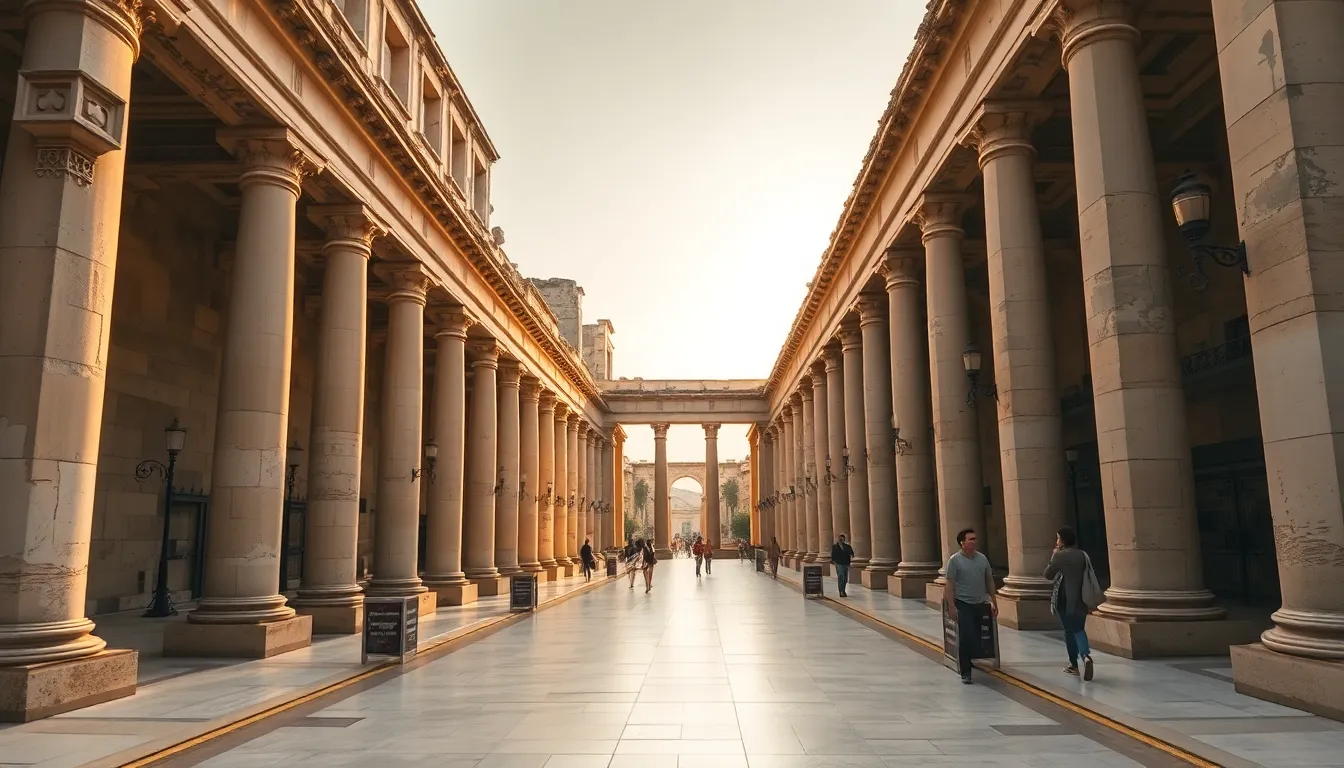
If you bring one Christian heritage site in Turkey to your congregation, it is Ephesus. I have walked groups down that marble main street more times than I can count, and the moment still works. You round the corner, the Library of Celsus rises up in front of you, two stories of carved stone facade, and the whole group goes quiet and reaches for their cameras at the same time. Then I remind them where they are. This is the city Paul wrote to. This is where he spent over two years. The letter to the Ephesians that your congregation reads on Sunday was addressed to people who walked this exact street.
This guide is the orientation I give leaders planning the Ephesus leg of a Turkey trip. Ephesus and the nearby town of Selcuk hold three distinct chapters, the ancient city, the House of the Virgin Mary, and the Basilica of St. John, and how you sequence them shapes whether your group leaves moved or just tired. Let me walk you through them.
Ephesus: Where Paul Spent Two Years
Ephesus was one of the great cities of the Roman world, a port and a commercial hub with a population in the hundreds of thousands. For a heritage group, it is the most complete and walkable ancient city in Turkey, and that completeness is what makes it land. You are not looking at scattered stones. You are walking a real street, past real buildings, where real events in the New Testament unfolded.
Paul spent more than two years in Ephesus, longer than almost anywhere on his journeys, teaching daily and seeing the church grow. The Book of Acts records the riot that broke out here when his preaching threatened the silversmiths who made shrines for the goddess Artemis. The crowd filled the Great Theatre, chanting for hours. That theatre is still here, carved into the hillside, seating many thousands, and when I stand a group in it and read Acts 19 aloud, the scale of what happened becomes real in a way no book can convey.
The Temple of Artemis, once one of the Seven Wonders of the ancient world, is reduced now to a single reconstructed column in a field nearby, which is its own kind of sermon about what lasts. Walking through the Ephesus ruins, past the Library of Celsus, the terraced houses, and the agora, your group stands inside the world Paul confronted and the world the early church grew up in. For the wider arc of Christianity across the country, our Turkey heritage travel guide sets the full map.
The House of the Virgin Mary
On a wooded hillside above Ephesus stands a small stone house that tradition holds to be the place where the Virgin Mary lived out her final years, brought here by the Apostle John. The site, known as Meryem Ana, was identified in the nineteenth century and has been visited by several popes. It is a place of pilgrimage for both Christians and Muslims, which is itself worth pausing on, because Mary is honored in both faiths.
The house is small and quiet, and the experience is contemplative rather than grand. There is a spring nearby where visitors gather, and a wall where people leave written prayers. I tell leaders to plan this as a slow, reflective stop rather than a quick photo. Groups often want a moment of prayer here, and the setting gives it to them. After the scale and bustle of the ancient city, the stillness of this hillside is a deliberate change of register, and sequencing it well matters.
The Basilica of St. John
In the town of Selcuk, just above the ruins of Ephesus, stand the remains of the Basilica of St. John, built in the sixth century by the emperor Justinian over what is traditionally held to be the tomb of the Apostle John. John is closely tied to Ephesus. Early tradition places his later life and death here, and he is the apostle linked to the care of Mary and to the writing of the fourth gospel.
The basilica was once an enormous structure, one of the largest churches of its age, and even in ruin its scale is clear. The traditional tomb of John is marked at the center. Standing here connects the dots for a group, because in a single day they can stand where Paul preached, where Mary is said to have lived, and where John is said to be buried. Few places in the world hold three such threads so close together. The nearby Isa Bey Mosque, a fine early Turkish structure, sits within view, a reminder of the later Islamic layer that settled over this Christian ground.
Ephesus pairs naturally with the Smyrna and Sephardic heritage of Izmir just up the coast, and with the cave churches of Cappadocia on a fuller itinerary.
How I Sequence Ephesus and Selcuk for a Group
One full day covers the core, though I prefer a day and a half if the schedule allows. Here is the shape I use.
- Morning, the ancient city. Enter Ephesus from the upper gate and walk downhill past the terraced houses, the Library of Celsus, and the agora, finishing in the Great Theatre with a reading from Acts 19. Walking downhill keeps the pace gentle.
- Midday, the House of the Virgin Mary. A reflective stop on the hillside, with time for prayer and quiet.
- Afternoon, the Basilica of St. John in Selcuk. The tomb of John and the long view over the plain, tying the three threads together.
A few practical notes. Ephesus is largely unshaded, the marble underfoot is uneven and can be slick, and summer afternoons are hot. Early starts, sun protection, and a steady pace make all the difference, especially for older travelers. Izmir, about an hour north, is the usual base for this leg, which I cover in the Izmir guide.
One thing worth knowing as you plan the budget. With Heritage Tours, the group leader travels free when you bring fifteen or more participants. For a pastor building a congregation trip, that is worth factoring in from the start.
FAQ: Heritage Travel to Ephesus and Selcuk
Why is Ephesus important for Christian groups?
Ephesus is where the Apostle Paul spent more than two years teaching, and it is the city he addressed in his letter to the Ephesians. The Book of Acts records the riot that filled the Great Theatre when his preaching challenged the cult of Artemis. As the most complete ancient city in Turkey, it lets a group walk the actual streets of the early church.
Is the House of the Virgin Mary worth visiting?
Yes, especially for groups who want a reflective moment. Tradition holds that Mary spent her final years in this small stone house on a hillside above Ephesus, brought there by the Apostle John. It is a pilgrimage site for both Christians and Muslims, and its quiet setting offers a deliberate contrast to the scale of the ancient city.
What is the Basilica of St. John?
It is a sixth-century church in Selcuk, built by the emperor Justinian over what tradition holds to be the tomb of the Apostle John. John is closely associated with Ephesus, where early tradition places his later life and death. Visiting lets a group connect Paul, Mary, and John in a single day, which few places in the world allow.
How much time do I need for Ephesus and Selcuk?
One full day covers the ancient city, the House of the Virgin Mary, and the Basilica of St. John at a workable pace. A day and a half is better if your schedule allows, giving your group room to slow down at the House of the Virgin Mary and to read scripture on site in Ephesus without feeling rushed.
Is Ephesus difficult to walk for older travelers?
It requires some care. The marble streets are uneven and can be slippery, and most of the site is unshaded, which makes summer afternoons hot. Starting early, walking the city downhill from the upper gate, and keeping a steady pace makes Ephesus manageable for most groups, including older members.
If Ephesus is taking shape in your mind for your congregation, I would be glad to help you build the day so the heritage carries its full weight. The marble street and the great theatre move people on their own. Reading the New Testament aloud while standing in it moves them deeper. You can see how we structure these journeys on our Turkey heritage page or learn how the group experience works on our group heritage tours page.
Contact us whenever you are ready to start planning.