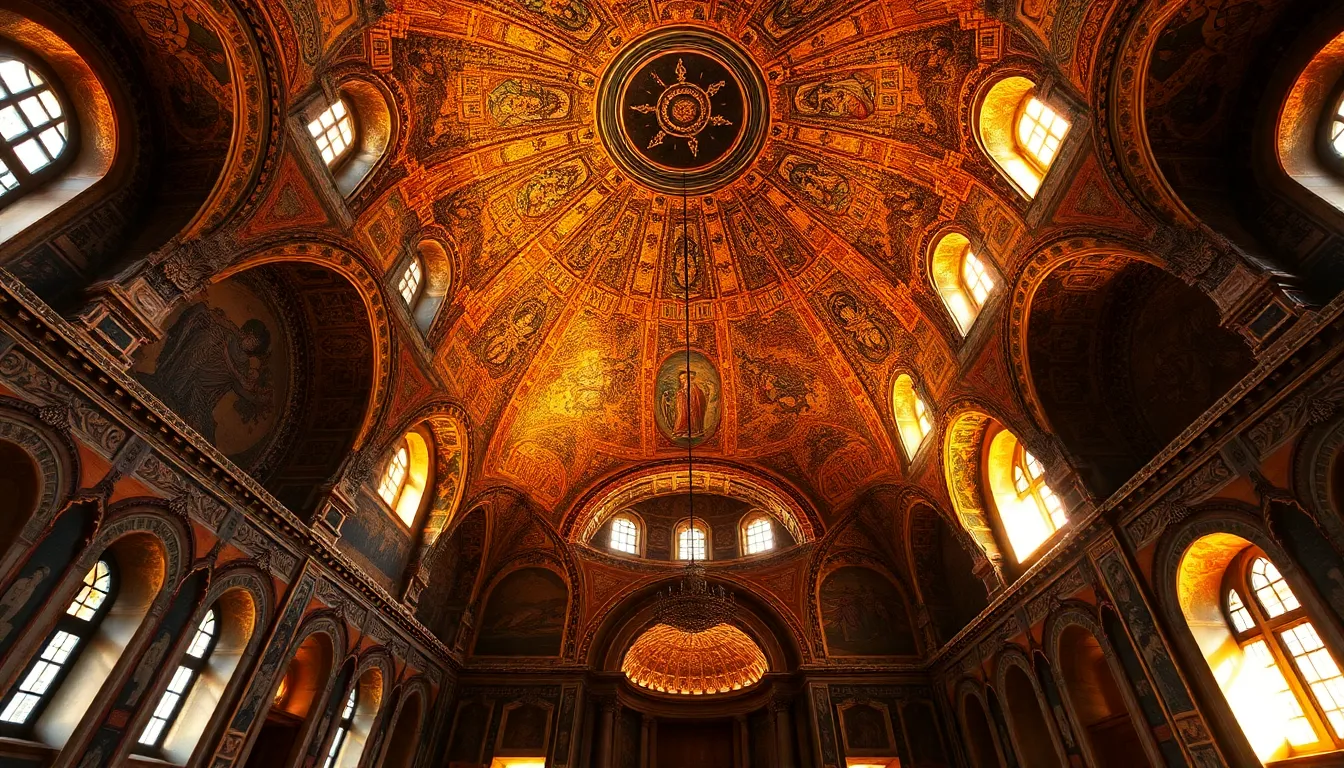
I send groups to the Chora Church with one piece of advice: do not rush, and look up. Most heritage travelers in Istanbul give all their time to Hagia Sophia and never make it out to Chora, which sits in a quieter neighborhood near the old city walls. They miss the single most beautiful collection of Byzantine art anywhere in the world. I have stood in this small building with experienced pastors who travel constantly and watched them go quiet in a way the bigger sites do not produce.
If your group has any interest in the visual heritage of the early and medieval church, Chora belongs on your itinerary. Here is why, and how to do it well.
What the Chora Church Is
The name comes from the Greek “he Chora,” meaning “the country” or “the land,” because the original church on this spot stood outside the early city walls, out in the fields. The building you see today dates mostly to the early fourteenth century, the final flowering of Byzantine art before Constantinople fell. Its full name is the Church of the Holy Savior in Chora.
What makes Chora extraordinary is not its size. It is modest. The wonder is that nearly every surface inside, the domes, the vaults, the walls, is covered with mosaics and frescoes from around 1315 to 1321. They were commissioned by Theodore Metochites, a scholar and statesman who poured his fortune into the project. You can see him in one of the mosaics, kneeling in an enormous turban-like hat, presenting a model of the church to Christ.
After the Ottoman conquest the building became a mosque, and the figural images were plastered or painted over, which ironically preserved them. In the twentieth century they were uncovered and restored. Like Hagia Sophia, Chora was reconverted to a working mosque in recent years, which affects how groups visit it now.
Why the Art Matters to Faith Travelers
Most people meet the Bible in words. Chora lets a group meet it in images, made by artists at the height of their tradition, telling the story across the ceiling above their heads.
The mosaics in the two narthexes, the entrance halls, narrate the life of Mary and the early life of Christ in a sequence you can almost read like a book. The Genealogy of Christ runs up into the domes. Scenes from the infancy gospels, the journey to Bethlehem, the enrollment for taxation, the flight into Egypt, unfold panel by panel. For a group that knows these stories well, seeing them rendered with this much tenderness and detail is moving in a way a sermon illustration cannot match.
Then there is the side chapel, the parekklesion, covered in frescoes rather than mosaics. The great image here is the Anastasis, the Resurrection. Christ, robed in white, stands on the shattered gates of hell and pulls Adam and Eve up out of their tombs by the wrists, one in each hand. It is one of the most powerful depictions of the Resurrection ever painted. I let groups simply stand under it. The picture preaches on its own.
How Chora Fits the Story of Byzantine Constantinople
To understand Chora, your group needs to know where it sits in time. By the early 1300s the Byzantine Empire was a shadow of what it had been. The territory had shrunk, the treasury was thin, and Constantinople would fall to the Ottomans within a century and a half. And yet, in that twilight, Byzantine artists produced work of breathtaking refinement.
This is what is sometimes called the Palaiologan Renaissance, the last great burst of Byzantine culture under the Palaiologos dynasty. The figures at Chora are more natural, more emotional, more alive than the grand, formal images of earlier centuries. Faces show grief and joy. Bodies move. A civilization at the edge of its history made some of its finest art.
I find groups connect with that. There is something deeply faithful about a community spending its last strength on beauty offered to God. For the wider city this sits inside, see our Istanbul heritage guide, and to place Chora in the full Christian story of the region, our overview of Turkey’s spiritual sites sets the context. Many groups pair Chora with Hagia Sophia in a single Byzantine day.
How Groups Visit the Chora Church
Chora is small, which is both its gift and its constraint. It cannot absorb large crowds the way Hagia Sophia can, so timing matters more here than almost anywhere in Istanbul.
We come early in the day, before the few tour groups that do find their way out here arrive. We brief outside, because once inside, the room is too tight and too quiet for a long talk. Then we move through slowly. I usually take the narthexes first, reading the life of Christ in sequence, and save the parekklesion and the Anastasis for last, so the Resurrection is the note the group leaves on.
Because the building reverted to mosque use, the prayer hall area now has carpet and some images may be screened during prayer, while the narthexes and side chapel that hold most of the great art remain accessible. We verify current conditions before each visit. For a group of fifteen or more, going early and keeping the visit unhurried is the difference between a rushed look and a moment people remember.
A Practical Word on Access
Chora sits in the Edirnekapi neighborhood, away from the main tourist core, so it takes a short drive to reach. As a working mosque, modest dress applies. Shoulders and knees covered for everyone, heads covered for women, and shoes removed before any carpeted prayer area.
The building is compact and largely on one level, which makes it gentle on a mixed-age group, though the lighting is deliberately low to protect the art and the floors are old. We handle the transport, timing, and dress guidance, and we keep the group small enough in each room that everyone can actually see the ceilings, which is the whole point of coming.
FAQ: Visiting the Chora Church
What is the Chora Church famous for?
It holds the finest surviving late Byzantine mosaics and frescoes in the world, created around 1315 to 1321. The scenes narrate the lives of Mary and Christ in remarkable detail, and the side chapel contains the celebrated Anastasis fresco of the Resurrection. The art, not the architecture, is the reason to come.
Is the Chora Church a museum or a mosque?
It was reconverted to a working mosque in recent years, after serving as a museum for decades. Non-Muslim visitors are welcome outside prayer times. Most of the great art is in the narthexes and side chapel, which remain accessible, though some images in the prayer hall may be screened during prayer.
Where is the Chora Church and is it far from Hagia Sophia?
It is in the Edirnekapi neighborhood near the old city walls, a short drive from the main tourist core around Hagia Sophia. Many groups pair the two in one Byzantine-focused day, since together they tell the early and late stories of Christian Constantinople.
What is the Anastasis fresco?
It is the painting of the Resurrection in the side chapel, showing Christ in white standing on the broken gates of hell and pulling Adam and Eve up from their tombs. It is one of the most powerful images of the Resurrection in Christian art and the highlight of any visit for most faith groups.
How long does a group need at the Chora Church?
Plan for about forty-five minutes to an hour. The building is small, but the art rewards slow looking, especially the narrative sequences in the narthexes and the Anastasis in the side chapel. Going early keeps the crowds light in a space that fills quickly.
Chora is the kind of place that surprises a group and stays with them. If you are planning a Turkey heritage journey, I would be glad to help you build Istanbul’s Byzantine treasures into it well. You can see how we shape these trips on our Turkey heritage page or explore our group heritage tours.
Contact us whenever you are ready to start the conversation.