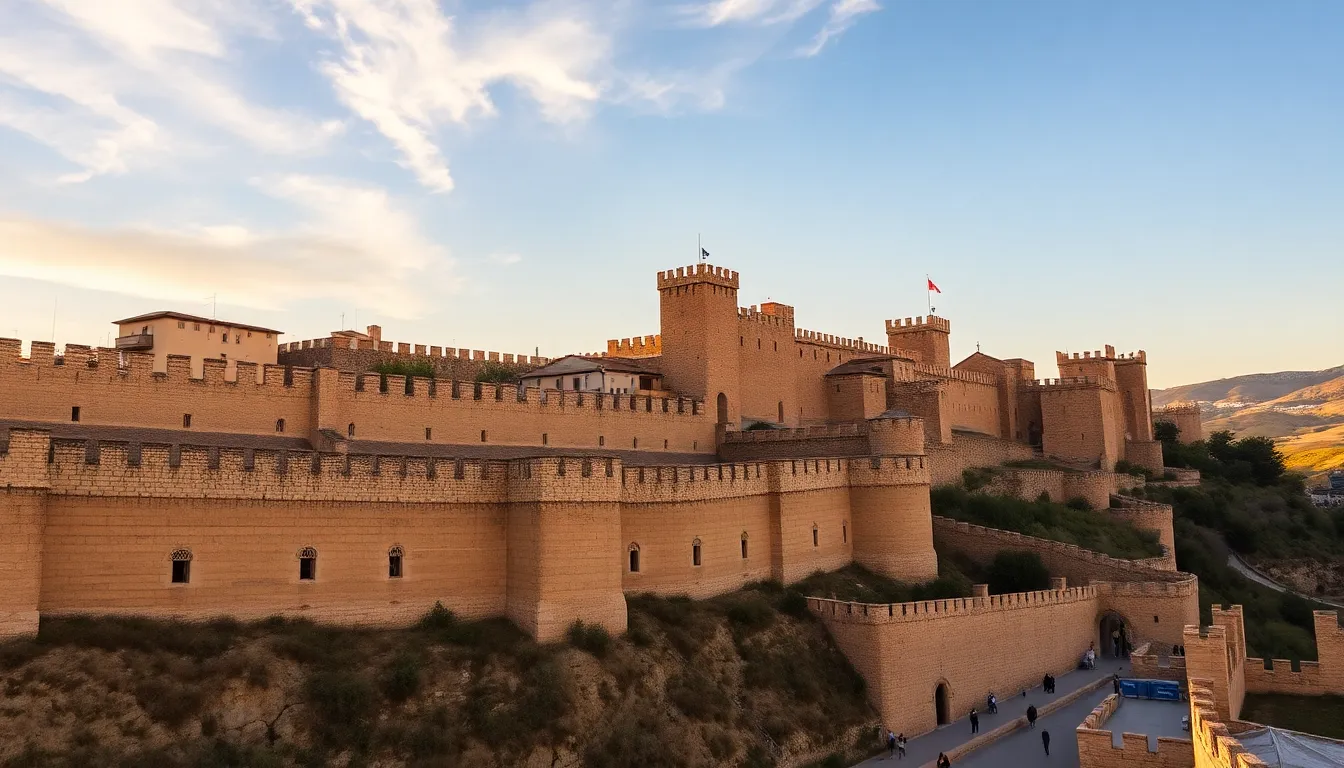
Sixteenth-century Spain produced a concentration of spiritual genius that the Christian world has rarely seen before or since. Teresa of Avila, John of the Cross, Ignatius of Loyola, three figures whose writing on prayer, the soul, and union with God still shapes how Christians pray today. They knew each other’s worlds. Teresa and John worked together to reform the Carmelites. Ignatius founded the Jesuits in the same generation. And it all happened on Spanish ground, in towns you can still walk through.
I’ve led pilgrimage and retreat groups along this route for years, and it’s different from a standard heritage tour. This is not primarily a trip about buildings. It’s a trip about interior life, traced through the physical places where these mystics lived, struggled, and wrote. The pacing has to leave room for silence and prayer, not just sightseeing. That’s how I build it.
This is a 9-day journey, designed for retreat groups, contemplative communities, clergy, and lay groups serious about the spiritual tradition. It works as a pilgrimage, and I’d encourage you to treat it as one.
Day 1: Madrid Arrival and Settling In
The group arrives in Madrid. We handle transfers and check-in, and the first day stays gentle for rest.
For a contemplative group, I like to open with silence rather than activity. A short evening gathering, an introduction to the three mystics we’ll follow, and an invitation to hold the week as a pilgrimage rather than a tour. The interior posture you set on night one carries through the whole trip.
Group leader note: For retreat groups, establish the rhythm of the trip early, when there will be silence, when prayer, when free conversation. Mystics’ pilgrimages work best with a daily structure that protects contemplative time from the natural drift toward chatter and logistics.
Day 2: Madrid and the Spiritual Landscape
Day two grounds the group in the world these mystics inhabited. The Prado holds masterworks of Spanish religious art from exactly their era, paintings that show the intensity of sixteenth-century Spanish spirituality. El Greco, who painted in Toledo during these decades, captured the same spiritual fire the mystics wrote about.
Standing in front of this art, the group begins to feel the religious atmosphere of the Spain that produced Teresa, John, and Ignatius. It was a time of reform, counter-reform, and a hunger for direct experience of God that these three answered in their own ways.
Group leader note: A focused route through the Spanish religious works serves a contemplative group better than a sweeping museum tour. Give people time to sit in front of a single painting. For this kind of group, depth beats coverage.
Days 3-4: Avila, the City of Teresa
Avila gets two days, and it is the spiritual heart of the trip. This walled medieval city is where Teresa was born in 1515, where she lived, founded her first reformed convent, and wrote works like The Interior Castle that remain among the greatest texts on prayer ever written.
The Convent of Saint Teresa stands on the site of her birthplace. The Monastery of the Incarnation is where she lived for decades and experienced the visions and spiritual depths she later described. Walking these places, the group moves through the physical world of a woman who mapped the soul’s journey toward God with a precision no one had matched.
Avila itself, with its complete medieval walls, holds a stillness that suits the contemplative purpose. I build in unstructured time here for prayer and reflection, not just guided visits.
Group leader note: Avila sits high on the Castilian plateau and can be cold and windy even outside winter. Pack layers. The two days here are the contemplative center of the trip, so resist the urge to over-program. Protect the silence.
Day 5: Toledo and the World of El Greco
Toledo connects the mystics’ Spain to its wider history. This was the spiritual and intellectual capital, and El Greco painted his most intense religious work here, canvases that visualize the very experiences Teresa and John described in words.
Toledo’s great Gothic Cathedral anchors the day. For a Christian group, its chapels, choir, and art reward a full morning. The city’s layered history, where three faiths lived in close quarters for centuries, gives the group a sense of the rich and complicated ground the Spanish mystics grew from.
Group leader note: Toledo’s old city is steep and cobblestoned. For groups with older members, plan a slower pace and seated breaks. Morning visits beat afternoon heat from May through September. The El Greco works are spread across several locations, so a focused route keeps the day from fragmenting.
Day 6: Segovia and John of the Cross
Segovia holds the resting place of John of the Cross, Teresa’s great collaborator and one of the most profound mystical poets in any language. His Dark Night of the Soul and Spiritual Canticle map the painful, purifying journey of the soul toward union with God. The Monastery of the Discalced Carmelites in Segovia holds his tomb.
John’s story is one of suffering transformed. He was imprisoned by his own order for his reforming work, and it was in that imprisonment that he wrote some of his greatest poetry. Standing where he is buried, a contemplative group can sit with the paradox at the center of his teaching, that darkness itself can be the path to light.
Segovia’s Roman aqueduct and its cathedral are worth seeing too, but for this trip the Carmelite monastery is the heart of the day.
Group leader note: This is a good day for a quieter, more reflective pace. John of the Cross rewards silence. Build in time at the monastery for prayer rather than moving the group quickly to the next stop.
Days 7-8: Loyola, Manresa, and Ignatius
The last leg follows Ignatius of Loyola, founder of the Jesuits and author of the Spiritual Exercises, which still shape retreats around the world five centuries later.
The Sanctuary of Loyola, built around the house where Ignatius was born, marks the place of his conversion. It was here, recovering from a battle wound, that the soldier began the transformation into a spiritual master. Manresa, where Ignatius spent months in prayer and where he developed the core of the Spiritual Exercises, is the second key site. The cave at Manresa, where he prayed and wrote, is a destination for Ignatian pilgrims worldwide.
For groups familiar with the Spiritual Exercises, walking where they were born is a profound experience. I encourage leaders to weave readings from the Exercises into these days so the places and the text illuminate each other.
Group leader note: This leg involves more travel, as Loyola and Manresa are in the north. We build the transfers to protect the contemplative rhythm, but the geography means a couple of longer travel segments. Use the bus time for readings and reflection rather than treating it as dead time.
Day 9: Closing Reflection and Departure
The final morning closes the pilgrimage. After nine days following Teresa, John, and Ignatius, the group has walked through the full range of the Spanish mystical tradition, the interior castle, the dark night, the spiritual exercises. I gather the group for a final reflection, space to name what the journey opened in each person, before transfers to the airport.
FAQ: Spanish Mystics Heritage Itinerary
Who are the Spanish mystics this trip follows?
Three central figures. Teresa of Avila, a Carmelite reformer and author of The Interior Castle. John of the Cross, her collaborator, a poet who wrote Dark Night of the Soul. And Ignatius of Loyola, founder of the Jesuits and author of the Spiritual Exercises. All three lived in sixteenth-century Spain and shaped Christian prayer and spirituality in ways that still hold today. The itinerary visits the towns where each lived, worked, and wrote.
Is this a pilgrimage or a sightseeing tour?
It’s built as a pilgrimage, and I’d encourage groups to treat it as one. The pacing leaves room for silence, prayer, and reflection, not just guided visits. We protect contemplative time deliberately, especially in Avila and at the Ignatian sites. Groups that come with that posture get far more from it than groups treating it as a checklist of buildings.
What kind of group is this itinerary best for?
Retreat groups, contemplative communities, clergy, spiritual directors, and lay groups serious about the Christian spiritual tradition. Familiarity with the mystics’ writings deepens the experience, but it isn’t required. We can pitch the framing and readings to fit how deep your group already is in the tradition.
Do we need to know the writings beforehand?
It helps but it isn’t necessary. For groups already steeped in The Interior Castle or the Spiritual Exercises, we weave readings into the relevant sites so place and text illuminate each other. For groups newer to the mystics, we provide enough framing that the sites still land. Either way, the physical places make the writings vivid in a way reading alone cannot.
Can this be combined with other Spanish heritage themes?
It can. This itinerary focuses on the Christian mystical tradition specifically. If your group wants to add the broader sweep of Spanish heritage, including Jewish and Muslim Spain, our 10-day Spain heritage itinerary shows the wider route. Some retreat groups also pair the mystics with a few days in Toledo, which our weekend Toledo itinerary covers in depth.
If you lead a retreat community, a parish, or a contemplative group and you want to walk the ground of the Spanish mystics, I’d be honored to help you shape the pilgrimage. You can learn more on our Spain destination page and our group heritage tours page, where group leaders travel free with fifteen or more participants.
Contact us when you’re ready to begin planning.