A rabbi called me in January a few years back, trying to decide between a March departure and an April one for his congregation’s Malta trip. Two weeks apart on a calendar, and he wanted to know if it actually mattered. It does, more than most leaders expect. Spring in Malta is not one uniform season. It moves quickly from late winter quiet to Holy Week intensity to early summer warmth, often within eight or nine weeks. If you are planning a spring departure, the exact window you choose changes the trip.
Our general guide on the best time to visit Malta covers spring alongside the other three seasons. This post goes deeper on spring specifically, since it is the season I recommend most often and the one where timing within the season matters most.
March: Quiet, Cool, and Still Waking Up
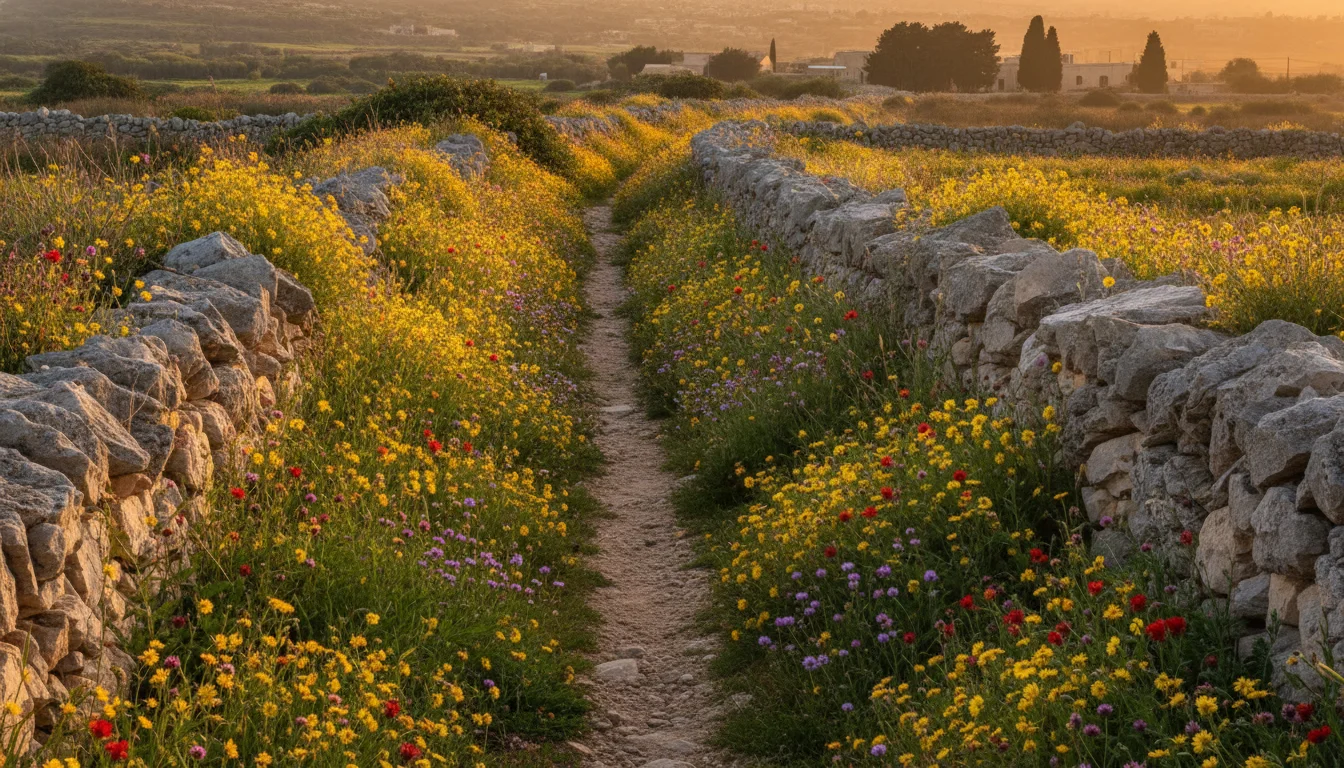
Early spring in Malta is a different experience than late spring, and leaders sometimes do not realize how much. March temperatures typically sit between 13 and 18 degrees Celsius, cool enough that you will want layers, especially in the early morning at exposed sites like St. Paul’s Bay. The island is green from winter rains, and wildflowers are just beginning to appear across the countryside.
What March offers that later spring does not: near-total quiet at the heritage sites. Cruise ship traffic has not started. Other faith groups have mostly not yet arrived. If your priority is having St. John’s Co-Cathedral or the Mdina streets essentially to your group alone, March delivers that better than any other point in spring.
The tradeoff is weather variability. March can bring a genuinely warm, clear week or a stretch of wind and rain. I tell groups planning March to build in flexibility for outdoor site visits and lean on the abundant indoor heritage sites, the Grotto of St. Paul, the Co-Cathedral, the Mdina Cathedral, on the less predictable days.
April: The Sweet Spot, With One Complication
April is where spring in Malta hits its stride. Temperatures climb into the comfortable 16 to 22 degree range, the wildflowers are at their fullest, and the island still has not filled up with summer crowds. For most heritage groups without a specific reason to travel earlier or later, April is the single best month on Malta’s calendar.
The complication is Easter. Holy Week’s date moves every year, and when it falls in April, as it often does, you are choosing between traveling during Holy Week itself or deliberately avoiding it. Both are valid choices, but they are different trips, and you should decide on purpose rather than by accident.
Holy Week: What It Actually Means for Your Itinerary
I want to go further than our general seasonal guide does here, because Holy Week changes more than the atmosphere. It changes your logistics.
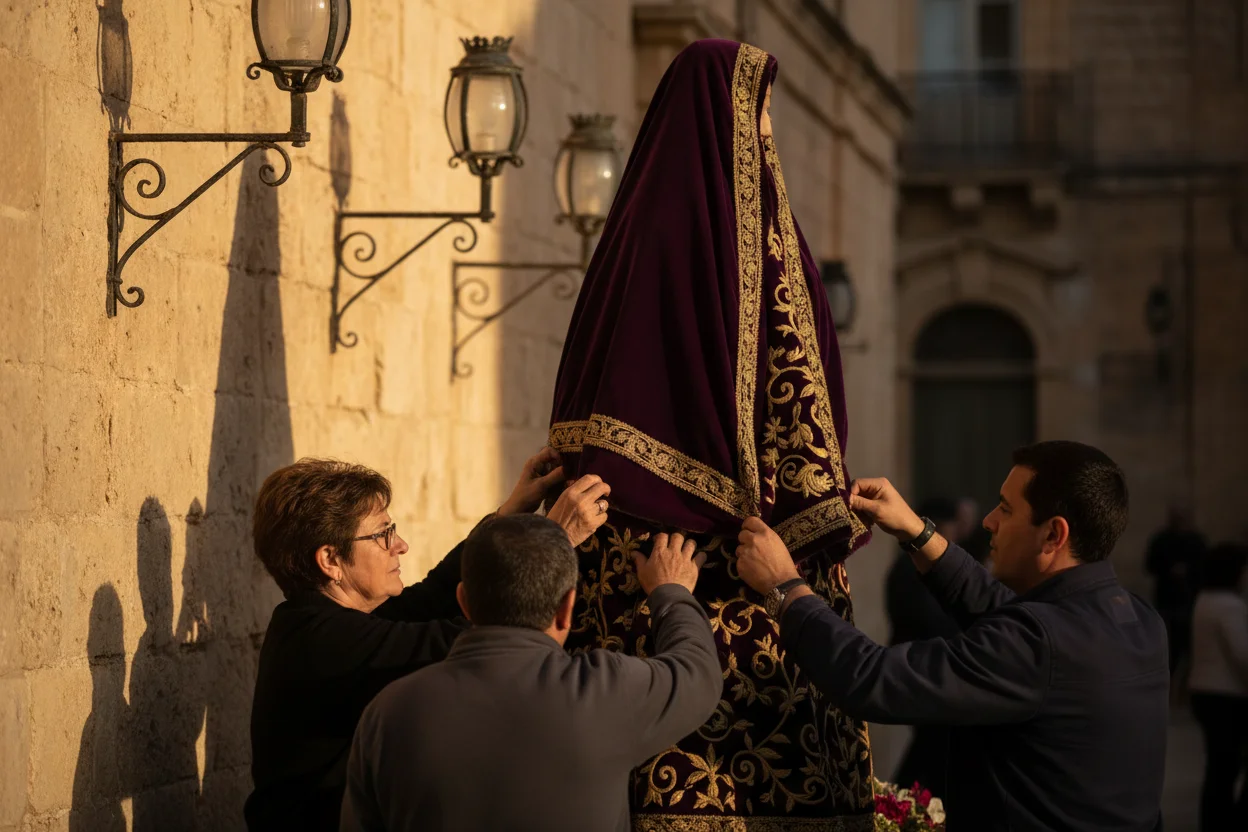
During Holy Week, expect the following practical shifts: hotel availability tightens significantly, and rates rise, since this is Malta’s most in-demand week of the year for both religious tourism and local Maltese travel. Certain streets in Valletta and smaller towns like Zebbug, Qormi, and Rabat close to vehicle traffic for the processions, which means your coach may need to drop your group further from a site than usual. Restaurant reservations for larger groups need to be locked in well ahead, since much of the island’s hospitality capacity turns toward hosting extended Maltese families for the holiday.
None of this should discourage you. For a Christian group specifically, witnessing the Good Friday processions, life-size biblical statues carried by torchlight through streets that have followed this same ritual for centuries, is often the single most powerful moment of the entire trip. I have had pastors tell me it reframed the whole pilgrimage. But you need to book far earlier than you would for an ordinary April trip, realistically nine to twelve months out, and build extra transit time into each day’s schedule.
If Holy Week timing does not fit your group’s calendar or budget, choosing early April before Easter, or late April after it, gives you nearly identical weather and heritage access without the added logistics.
May: Warming Up, Filling In
May extends the good weather, typically 19 to 25 degrees Celsius, and is when the island starts to notice more visitors. It is still meaningfully quieter than June through August, and I consider it the second-best spring option after April for groups that want warmth without full summer crowds or heat. The wildflowers begin to fade by late May, so if that specific quality of a green, blooming island matters to your group, aim earlier in the season.
Crowd Levels, Week by Week
To put real numbers behind the general pattern: March and early April are the quietest weeks of the entire year at Malta’s heritage sites, with the notable exception of Holy Week itself, which draws its own dedicated crowds of pilgrims and Maltese families rather than general tourists. Mid-to-late April outside Holy Week and May see a gradual, manageable increase. By comparison, June brings the first real wave of cruise ship traffic that defines Malta’s summer crowding. If quiet, contemplative access to sites like the Giudecca in Mdina or St. Paul’s Bay matters most to your group, target March or the non-Holy-Week weeks of April.
Packing for Malta’s Spring Swing
Because temperatures and conditions shift meaningfully across the season, pack in layers regardless of which month you choose. Early spring travelers need a real jacket for mornings and evenings. Late spring travelers can go lighter but should still expect a cool breeze off the harbor. Comfortable walking shoes matter every week of spring, since Mdina’s medieval streets and Valletta’s stepped lanes are unforgiving in anything else.
FAQ: Spring Travel to Malta
Is March or April better for a heritage group trip to Malta?
April generally offers warmer, more reliable weather and the fullest wildflower bloom, making it the strongest single month for most groups. March is quieter at the sites and works well for groups prioritizing solitude over warmth, but weather is less predictable.
Should our group travel to Malta during Holy Week?
It depends on your group’s makeup and planning timeline. Holy Week offers a uniquely powerful experience for Christian groups, with centuries-old processions through Valletta and smaller towns, but requires booking nine to twelve months ahead and building extra time into your itinerary for street closures and tighter hotel availability.
How much does Easter timing change hotel availability in Malta?
Significantly. Holy Week is one of Malta’s highest-demand weeks for both religious tourism and local travel, so rates rise and rooms fill months in advance. If your dates fall near Easter, lock in accommodation as early as possible.
Is spring too early for comfortable outdoor walking at the heritage sites?
No. By April, temperatures are comfortable for walking Valletta, Mdina, and the exposed areas around St. Paul’s Bay. March can still require a jacket, especially in the morning, but is walkable throughout.
What should we pack for a spring Malta trip?
Layers are the key, since early spring mornings are cool and afternoons warm quickly. A light jacket for March or early April, comfortable closed walking shoes for the uneven stone streets of Mdina and Valletta, and a light rain layer for March in particular.
If you are trying to decide between an early spring departure and Holy Week itself, I would be glad to walk through the tradeoffs for your specific group. You can also see how the season fits into a full itinerary on our Malta destination page.
Contact us to talk through the right spring window for your trip.