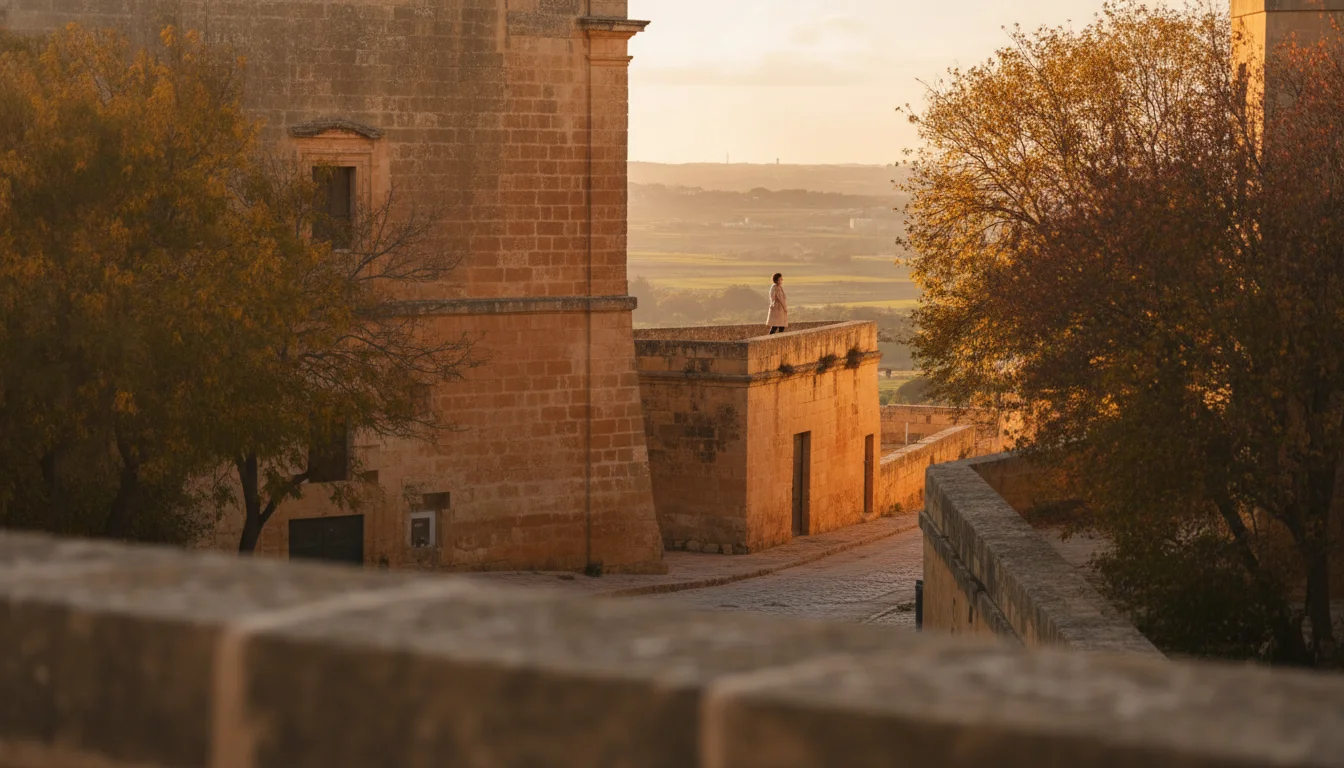
I tell almost every group leader the same thing when they ask me, with no other constraints, when to go to Malta: fall. Not because spring is bad, it is genuinely lovely too, but because fall is the season most first-time visitors never consider, and it is quietly the best combination of weather and access the island offers all year. Our seasonal overview of Malta covers this window briefly. Here I want to go deeper, month by month, because the differences between September, October, and November matter more than people expect.
September: Still Summer Warm, Traffic Starting to Thin
September opens fall still feeling like summer in terms of temperature, typically around 27 degrees Celsius, with the Mediterranean sun still strong through midday. What changes is the crowd pattern. Cruise ship arrivals, which define Malta’s peak-season congestion at sites like Valletta’s harbor and St. John’s Co-Cathedral, begin tapering after the first two or three weeks of the month. By late September, the difference at the major sites is already noticeable compared to July or August.
For a group that wants warm-weather Malta without the worst of summer’s crowding, late September is often the ideal compromise. Bring sun protection and expect midday heat, but plan for meaningfully calmer sites than a summer visit would deliver.
October: The Month I Recommend Most
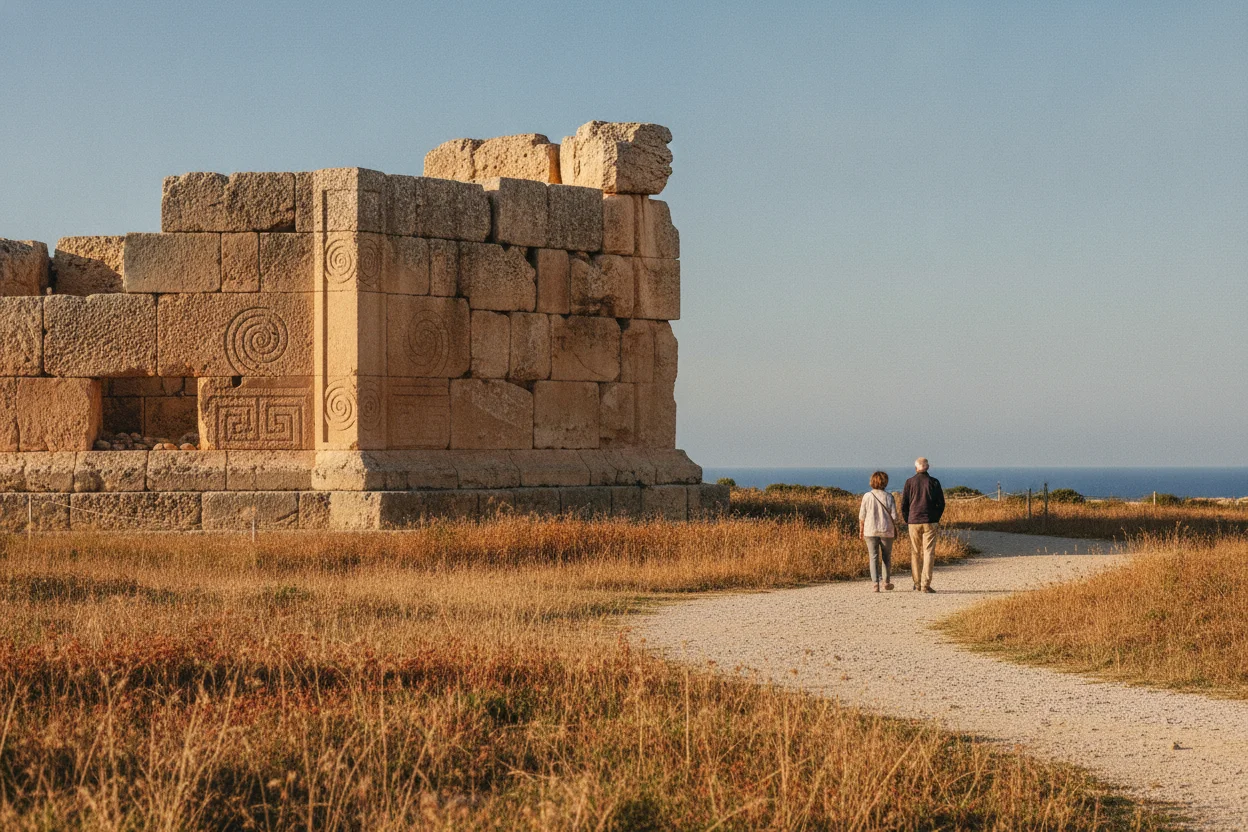
If a group leader asks me to pick one month, I say October. Temperatures settle into a genuinely comfortable range, warm enough for shirtsleeves during the day, cool enough for a light layer in the evening, and the cruise ship traffic that crowds Valletta all summer has largely moved on. Ħaġar Qim and Mnajdra, the megalithic temples that predate the Egyptian pyramids, are exposed sites with little shade, and October’s mild temperatures make walking them at midday genuinely pleasant rather than something you schedule around.
October also gives you the best version of Mdina living up to its nickname. The Silent City actually feels silent when it is not absorbing day-trip crowds, and a guided walk through the Giudecca, the old Jewish quarter, has the quiet, unhurried pace that the history deserves. If your group includes older travelers who found summer heat a concern in past trips, October removes that concern almost entirely.
November: Cooler, Calmer, and a Meaningful Window for Jewish Groups
November brings Malta’s temperatures down further, generally mild by northern European standards but noticeably cooler than October, and rain becomes more frequent toward the month’s end. For groups less concerned with warm-weather outdoor time and more focused on quiet, contemplative access, November remains an excellent choice, arguably the quietest month of the entire year at Malta’s heritage sites outside of deep winter.
November has a specific relevance for Jewish heritage groups worth naming directly. The weeks following the fall Jewish holiday season, roughly from mid-October through November, tend to be when congregations and community groups are most ready to travel together, the shared experience of the recent holidays carrying naturally into a heritage journey. If your community is weighing timing around that calendar, this window aligns well with Malta’s quietest, most comfortable stretch of the year.
Why Fall Beats Spring for Crowd Levels Specifically
Spring and fall both avoid summer’s peak heat, but they are not identical on crowding. Spring, particularly April, has been discovered by more travelers in recent years and continues to see steady growth in visitor numbers. Fall, and October especially, remains comparatively underused relative to how good the conditions are. If minimizing the number of other visitors at a site like St. Paul’s Bay or the Grotto of St. Paul in Rabat is a priority for your group’s reflective experience, fall currently delivers more of that than spring does.
Practical Planning Notes for a Fall Departure
Book six to nine months ahead if you want your first-choice hotel base in the Sliema or St. Julian’s area, since fall has grown in popularity among savvy travelers and operators, even if it remains quieter than spring or summer. The Gozo ferry runs on its normal frequent schedule through fall with no seasonal reduction, so a day trip to the Ġgantija temples fits easily into an October or November itinerary. Pack layers: mornings and evenings in November can be genuinely cool, while October midday sun still calls for a hat and water at exposed sites.
FAQ: Fall Travel to Malta
What is the best month in fall for a Malta heritage trip?
October is the month Heritage Tours recommends most often. It combines comfortable temperatures for walking exposed sites like Ħaġar Qim and Mnajdra with the year’s lightest crowd levels at Valletta, Mdina, and St. Paul’s Bay, since summer cruise traffic has largely moved on.
Is September too hot for a fall Malta trip?
Early September still runs warm, close to summer temperatures around 27 degrees Celsius, though crowd levels begin easing by mid-to-late month. If heat is a concern for your group, October or November offer more comfortable conditions.
Why does Heritage Tours recommend fall over spring for Malta?
Both seasons avoid summer’s heat and worst crowding, but fall, particularly October, currently sees fewer visitors overall than spring, which has grown more popular in recent years. For groups prioritizing quiet, reflective access to heritage sites, fall has a slight edge.
Is fall a good time for a Jewish heritage group specifically?
Yes. The weeks following the fall Jewish holidays, mid-October through November, are often when communities are most ready to travel together, and this period overlaps with Malta’s quietest, most comfortable stretch of the year.
How far ahead should we book a fall Malta trip?
Six to nine months ahead is a safe window, especially if you want a specific hotel base in Sliema or St. Julian’s. Fall has become more popular with experienced travelers in recent years, so earlier booking protects your preferred dates.
If fall timing fits your congregation’s calendar, I would be glad to help you build the itinerary around it. Our Malta destination page has the full picture of what a heritage journey here looks like.
Contact us to start planning your group’s fall trip.