Few objects in Christian heritage generate as many questions as the Shroud of Turin, and over the years I have heard most of them from the groups I lead. Is it real? What does the science say? Will we actually see it? Those are fair questions, and a group leader who pretends to know more than anyone does is not serving the group well. So let me tell you what I tell my travelers: the value of going to Turin does not depend on settling the debate. It depends on understanding why this cloth has drawn pilgrims for centuries, and on standing in the place where that devotion lives.
What the Shroud Is
The Shroud of Turin is a linen cloth, roughly fourteen feet long, bearing the faint front and back image of a man who appears to have been crucified. The figure shows wounds consistent with the Gospel accounts of the death of Jesus: marks at the wrists and feet, a wound in the side, and dozens of smaller injuries across the back and scalp. Tradition holds that this is the burial cloth in which the body of Christ was wrapped.
The image is the strange part. It is not painted. There are no brushstrokes, no pigment soaked into the threads in the way paint would behave. The marks are a faint discoloration on the very surface fibers of the linen, and the figure reads most clearly as a photographic negative, something nobody understood until a photographer named Secondo Pia took the first official photograph in 1898 and saw, in his darkroom, a face emerge from the plate.
The Honest State of the Question
I promised the groups I lead a straight answer, so here it is. The Shroud’s history is documented with certainty only back to the 1350s, when it surfaced in the French town of Lirey. In 1988, three independent laboratories carbon-dated small samples and concluded the linen was made between roughly 1260 and 1390, which would place it in the medieval period rather than the first century.
That result did not end the matter, and honest discussion has to say why. Critics argued the sample may have been taken from a corner repaired after a fire, contaminated by later material. Researchers have raised questions about the chemistry of the image that conventional explanations have not fully answered, including how the discoloration sits only on the surface fibers and why it behaves like a negative. The Catholic Church itself has never declared the Shroud authentic. It calls it an icon, an object worthy of veneration and study, and leaves the question of its origin open.
That is the framing I encourage groups to carry into Turin. You do not have to decide. The cloth has moved millions of people across centuries, and standing in its presence is meaningful whether you arrive certain, skeptical, or simply curious. Faith and inquiry can occupy the same room.
The Cathedral and the Exposition Tradition
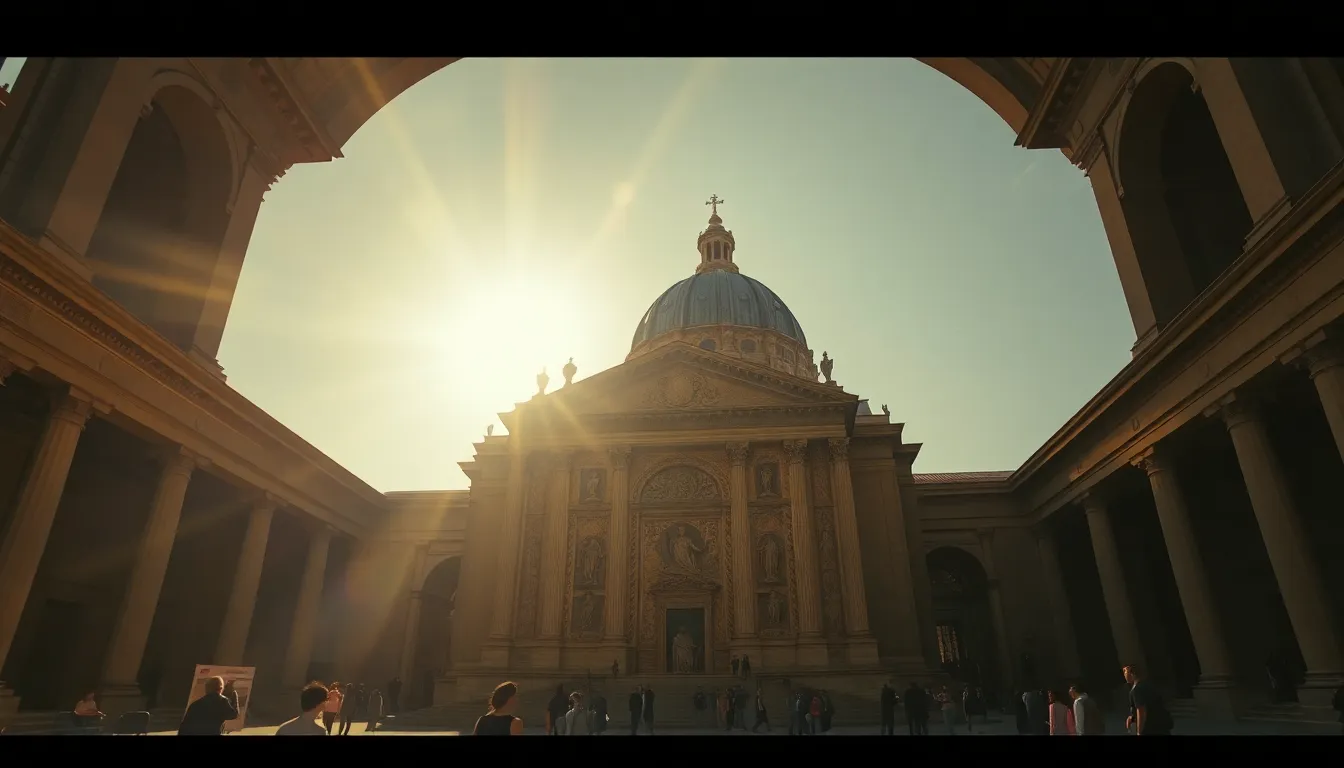
The Shroud is kept in the Cathedral of Saint John the Baptist in Turin, in northern Italy. The cloth is housed in a sealed, climate-controlled case in a side chapel, rolled flat and kept in darkness and inert gas to slow its aging. This is the crucial thing for groups to understand before they travel: the Shroud is not on permanent display. On an ordinary day, you visit the cathedral and see the chapel and the case, but not the cloth itself.
The Shroud is shown to the public only during a public exposition, an ostensione, and these are rare. There have been only a handful in the past century, declared by the Church for special jubilees or anniversaries, sometimes decades apart. When an exposition is announced, millions travel to Turin over the weeks it remains open, and visits are scheduled by timed reservation.
What this means in practice is simple. If you are planning a group trip specifically to see the Shroud, you go in a year when an exposition has been declared, and you book far ahead. In any other year, the Turin visit is about the cathedral, the chapel, and the story, not the cloth itself. We tell groups this plainly so nobody arrives expecting something the calendar cannot give.
There is a meaningful middle path. The Museum of the Shroud, the Museo della Sindone, is open year-round in Turin and holds the full history of the relic: Secondo Pia’s original photographs, the scientific instruments used to study it, full-scale reproductions, and the documentation of every test. For a group in a non-exposition year, the museum plus the cathedral chapel gives a complete and honest encounter with the Shroud’s story.
Why It Belongs on a Heritage Itinerary
For a Christian group, Turin is a place to sit with the passion narrative in a different way. Whatever the cloth’s origin, the image confronts you with the physical reality of crucifixion, the wounds, the suffering, in a manner that words on a page can soften. Groups often find the conversation it prompts to be among the most reflective of the trip.
It is also a lesson in how the Church holds faith and reason together. The same institution that venerates the Shroud authorized the carbon dating and has never demanded belief in its authenticity. For groups including educators and clergy, that posture, devotion without dogmatism, is worth discussing in front of the relic that prompts it.
How Groups Visit Turin
Turin sits in the northwest of Italy, well served by fast trains, about an hour from Milan and reachable from the broader northern Italy circuit. For groups of 15 or more, your group leader travels free on a Heritage Tours itinerary.
In a normal year, we structure the Turin visit around the cathedral chapel and the Museo della Sindone, with time to walk the elegant arcaded center of the city. In an exposition year, the visit becomes a true pilgrimage, and we secure the timed reservations well in advance, because the demand is enormous and walk-up access for groups is not realistic.
Practical Access
The cathedral is free to enter and follows the usual dress code for Italian churches, shoulders and knees covered. The Museo della Sindone charges admission and offers group rates, and we book it ahead so the group moves through together rather than waiting in line. During an exposition, security is tight and the schedule is strict; we prepare groups for what to expect so the day runs calmly.
Turin pairs well with the wider faith and heritage route through northern Italy, including the Byzantine mosaics of Ravenna and the Marian shrine at Loreto, both covered in our guide to spiritual sites in Italy, and the lesser-known stops in our hidden heritage sites guide.
FAQ: Visiting the Shroud of Turin with a Group
Can you see the actual Shroud of Turin any time you visit?
No. The Shroud is kept in a sealed, darkened case and is shown to the public only during rare official expositions, which the Church declares for special occasions, sometimes decades apart. In any other year you can visit the cathedral and the chapel that houses it, but you will not see the cloth itself.
What does the science actually say about the Shroud?
Carbon dating in 1988 placed the linen between roughly 1260 and 1390, suggesting a medieval origin. Critics have questioned the sample and raised unresolved points about the image chemistry, so debate continues. The Catholic Church has never declared the Shroud authentic; it venerates it as an icon and leaves the question open.
If there is no exposition, is Turin still worth a group visit?
Yes. The Cathedral of Saint John the Baptist and the year-round Museum of the Shroud together give a full and honest encounter with the relic’s history, photographs, and scientific record. Many groups find the museum’s depth more rewarding than they expected.
How do groups plan a trip around a Shroud exposition?
When the Church announces an exposition, visits are by timed reservation and demand is enormous. A group trip built around seeing the cloth has to be scheduled for that year and booked far in advance. We secure the reservations and prepare the group for the strict exposition-day procedures.
How should a faith group approach the authenticity debate?
We encourage groups to hold the question openly. The cloth has moved pilgrims for centuries regardless of its origin, and standing with the passion narrative it depicts is meaningful whether a traveler arrives convinced, skeptical, or curious. Faith and honest inquiry can share the same space.
If your group is ready to encounter the Shroud’s story with clear eyes and an open heart, we would be glad to help you plan it. Explore our Italy heritage tours, see how we run group travel, and reach out to tell us what matters most to your community.