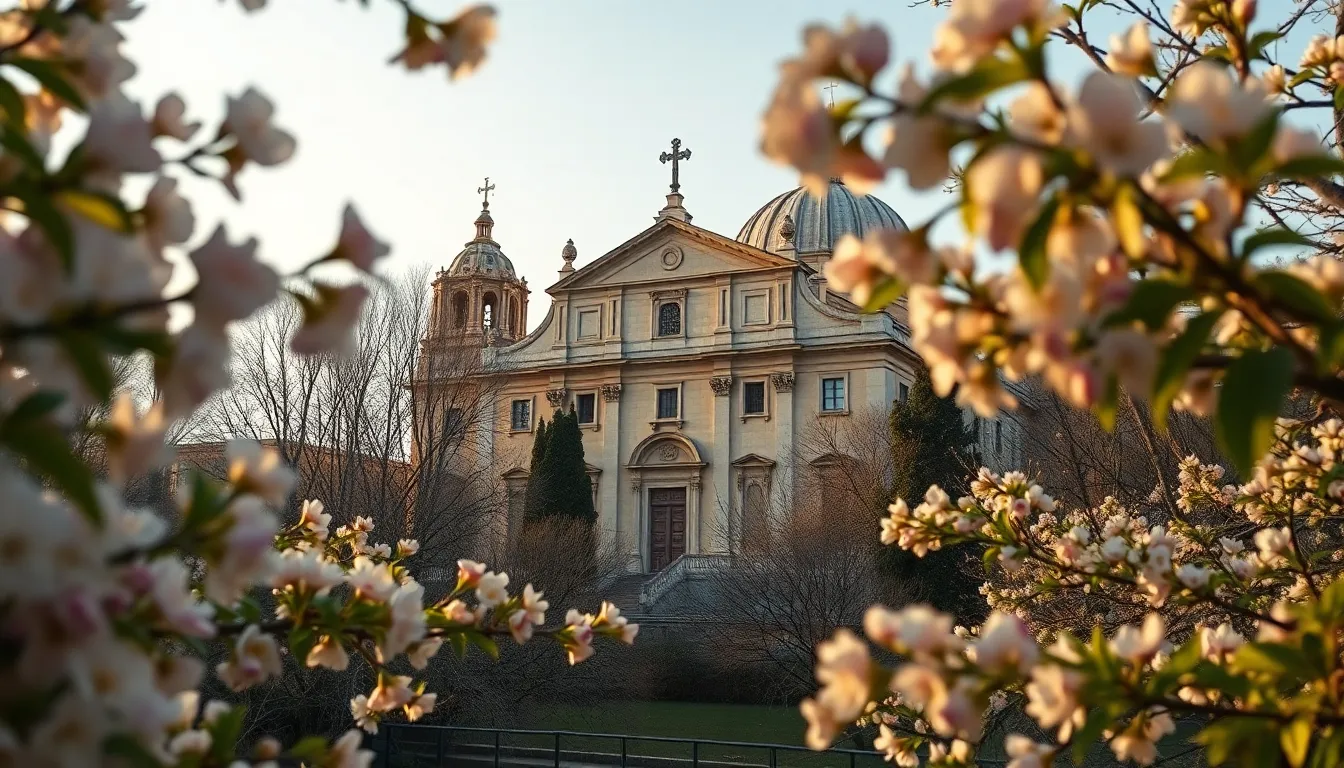
When a pastor or rabbi tells me they want to bring their group to Italy in spring, my first question is always the same: which part of spring? Because March, April, and May are three very different trips. They share the same season on a calendar, but the weather, the crowds, the holiday overlaps, and the feeling on the ground change week to week. I have run heritage groups through all three months for more than forty years, and the difference between an early March departure and a late May one is larger than most leaders expect.
If you have already read our season-by-season guide to the best time to visit Italy, think of this as the zoom-in. This is spring on its own, broken down month by month, so you can pick the window that fits your people rather than just the season that sounds nice in a brochure.
Why Spring Pulls So Many Heritage Groups
Spring is the most requested season I handle for Italy, and the reasons are practical before they are romantic. The walking weather is good. A heritage day in Rome can move a group between the Jewish Ghetto, the Vatican, and a catacomb on the Appian Way, and that itinerary is punishing in July heat. In April it is comfortable. Your eighty-year-olds can keep up, your families can keep up, and nobody is wilting by lunch.
There is also the spiritual weight of the season. For Christian groups, spring holds Lent, Holy Week, and Easter, which are not just dates but the center of the liturgical year. For Jewish groups, Passover usually falls in this window, which connects the trip to a story your community is already living through at the seder table. Spring in Italy is the one season where the climate and the calendar tend to pull in the same direction.
The trade-off is that everyone else knows this too. Spring is busy, hotel blocks tighten early, and the most significant weeks book out twelve to eighteen months ahead. The way you protect your group’s experience is by choosing the right month inside spring, not just the season.
March: Quiet Shoulder, Real Variability
March is the month most leaders overlook, and for a certain kind of group it is the smartest choice on the board.
The crowds have not arrived yet. The Vatican Museums in early March feel like a different building than they do in late April. The Sistine Chapel has room to breathe. Synagogue visits in Rome and Venice are easier to arrange because the steady rotation of tour groups has not started. If your group’s priority is unhurried time inside the sites rather than warm afternoons in a piazza, March rewards you.
The honest catch is weather variability. Early March in Rome can be gray and rainy, with daytime temperatures in the low to mid 50s Fahrenheit. The north is colder still. Venice can be foggy and damp, and Florence gets its share of rain. By the last week of March the city is usually warming and the light is softening, but you are not guaranteed the postcard.
March also frequently overlaps with the run-up to Passover and the start of Lent. For Jewish groups, an early-to-mid March trip can put you in Italy while the Passover story is approaching but the holiday logistics are not yet on top of you. For Christian groups, traveling during Lent gives the journey a reflective frame without the crowd intensity that Holy Week brings. My usual advice for March: pack layers, build one flexible indoor-heavy day for bad weather, and take advantage of the quiet at the major sites.
April: The Center of Spring, and the Easter Question
April is the month most people picture when they say “Italy in spring,” and it earns that reputation. Daytime temperatures in Rome settle into the mid to high 60s. Gardens are in bloom. The light turns warm. Heritage sites are busy but not yet at summer saturation. For a mixed-age group that wants comfortable walking and a full itinerary, April is hard to beat.
The thing that defines April planning is Easter. Holy Week and Easter Sunday usually fall in this month, and they change the entire character of a Rome trip. If your group’s purpose is to be present for the papal liturgies, the processions, and the services across the basilicas, then Easter in Rome is one of the most moving experiences available to a Christian group anywhere. Your people will not watch Easter. They will stand inside it.
But you have to plan around it with clear eyes. Holy Week is the single busiest week of the year in Rome. Lines that normally run thirty minutes can run hours. Hotel availability near the Vatican disappears far in advance. Moving twenty people through crowded streets on Good Friday takes patience and a guide who knows the side routes. If you want Easter, commit to it early and accept the crowds as the price of the experience. I cover the liturgies and the planning rhythm in detail in our guide to Holy Week and Easter in Rome.
If Easter is not your aim, the smart play is the back half of April, after Easter Sunday has passed. The weather is still excellent, the bloom is still on, and the crowds drop noticeably the week after the holiday clears.
May: Warm, Lush, and Reliably Pleasant
May is the most reliable month of spring. The weather is settled, daytime temperatures climb into the low to mid 70s in Rome, and the rain risk drops compared to March. The countryside of Tuscany and Sicily is green, the smaller heritage sites in places like Ferrara and Pitigliano are easy to reach, and the canals of Venice are navigable without the oppressive heat that arrives by July.
May is also past most of the spring holiday congestion. Easter is behind you, the early-spring rain is behind you, and the summer surge has not started. For a group that wants the beauty of spring without gambling on weather or fighting Holy Week crowds, late April through May is the window I recommend most often.
The one thing to watch in May is the start of the warm-up. By the final week of the month, the busiest sites are filling toward summer levels, and the first genuinely hot afternoons appear. It is still very manageable, but if your group includes members who struggle with heat, lean toward early or mid May rather than the end of the month.
How to Choose Your Spring Week
Here is how I talk it through with a group leader. If your priority is quiet sites and lower cost, and your people can handle changeable weather, look at March. If Easter is central to your group’s purpose, build the trip around Holy Week in April and start planning at least a year out. If you want the most dependable mix of warm walking weather, blooming landscapes, and manageable crowds, aim for late April through May.
Whatever the month, spring fills early. The group economics also work in your favor here: with Heritage Tours, the group leader travels free with fifteen or more participants, and the earlier you lock your dates the easier it is to build your group to that number before hotel blocks tighten. If you are still weighing fall against spring, our autumn heritage guide lays out the other strong window.
FAQ: Italy Heritage Travel in Spring
What is the best spring month to visit Italy with a group?
For most heritage groups, late April through May offers the best balance of warm walking weather, blooming landscapes, and manageable crowds. March is the quietest and least expensive but carries real weather variability. April is the classic spring month but is dominated by Easter crowds during Holy Week. Choose based on whether your priority is quiet, Easter liturgies, or reliable weather.
Is March too early for an Italy heritage tour?
Not at all, for the right group. March gives you the thinnest crowds of spring and the easiest access to major sites like the Vatican and the Venice synagogues. The trade-off is unpredictable weather, with cool, sometimes rainy days, especially in the first half of the month and in the north. Pack layers and build one weather-flexible day into the itinerary.
Should I plan our spring trip around Easter?
If being present for the Holy Week liturgies in Rome is central to your group’s purpose, yes, and start planning at least twelve months ahead. If you want the beauty of spring without the largest crowds of the year, schedule for the week after Easter or for May. Both options give you excellent weather with far less congestion.
How far in advance should we book a spring Italy group trip?
For most spring weeks, eight to twelve months of lead time is comfortable. For an Easter or Holy Week trip, plan twelve to eighteen months out, because hotel blocks near the Vatican fill far in advance and the city is at its busiest. Earlier booking also gives you time to build your group to the fifteen-person threshold where the leader travels free.
Will the weather be warm enough in spring for outdoor sites?
By April and May, yes. Rome runs in the mid 60s to mid 70s Fahrenheit through those months, which is comfortable for full days of walking between sites. March is cooler and more variable, often in the low to mid 50s, so plan a slightly heavier mix of indoor visits and bring layers for changeable conditions.
If spring feels like the right season for your community but you are not sure which month fits your people, that is exactly the conversation I like to start with. Explore our Italy heritage tours, take a look at how our group journeys work, and then reach out so we can find your window together.