Most groups know the Berea story for one verse. The Bereans were more noble than the Thessalonians because they received the word eagerly and searched the scriptures daily to check whether what Paul said was true. It is a favorite of Bible study leaders, and rightly so. But there is a second half of the Berea story that almost nobody preaches on, and it is the part you can actually feel when you stand in the landscape. It is the escape. The moment the trouble caught up with Paul again and the believers had to get him out, fast, and send him south to Athens.
That journey, from Berea down to Athens, is one of the most under-told stretches of Acts. When I trace it with a group, the geography itself tells the story of a mission constantly on the run. Let me walk you through it.
The Trouble That Followed Paul
To understand the Berea escape, you have to remember what happened just before it. Paul had been in Thessaloniki, the major city of the region, preaching in the synagogue for three Sabbaths. It went badly. A mob formed, the believers were dragged before the city officials, and Paul and Silas had to be sent away by night to Berea, a smaller town to the southwest.
In Berea, things were better. The people listened, studied, and believed. For a moment Paul had room to work. But Acts 17:13 records what happened next: “When the Jews from Thessalonica learned that Paul was preaching the word of God at Berea, some of them went there too, agitating the crowds and stirring them up.”
The opposition followed him. They traveled the same road Paul had traveled to reach the new town and brought the trouble with them. This is the pattern of the whole second journey. Paul plants, opposition mounts, the believers protect him, he moves on. Berea is where it happens for the second time in a single region.
The Escape to the Coast
Here is the verse that contains the whole drama, Acts 17:14: “The believers immediately sent Paul to the coast, but Silas and Timothy stayed at Berea.”
Read that slowly with a group and it comes alive. Immediately. The Berean believers, the careful, scripture-searching people Luke praised a few verses earlier, did not hesitate. They got Paul out at once. And notice the detail: they sent him to the coast. Berea sits inland, in the foothills below Mount Vermio. To reach Athens, the natural route went down to the sea, where Paul could take a ship south rather than risk the long overland road through hostile territory.
Silas and Timothy stayed behind to hold the young Berean church together. Paul went on alone, escorted by Berean believers who, Acts says, brought him all the way to Athens before returning home with instructions for the others to follow as soon as possible. That is a long way to escort a hunted man. It tells you how much the Bereans had come to love him in a very short time.
The Geography of Acts 17
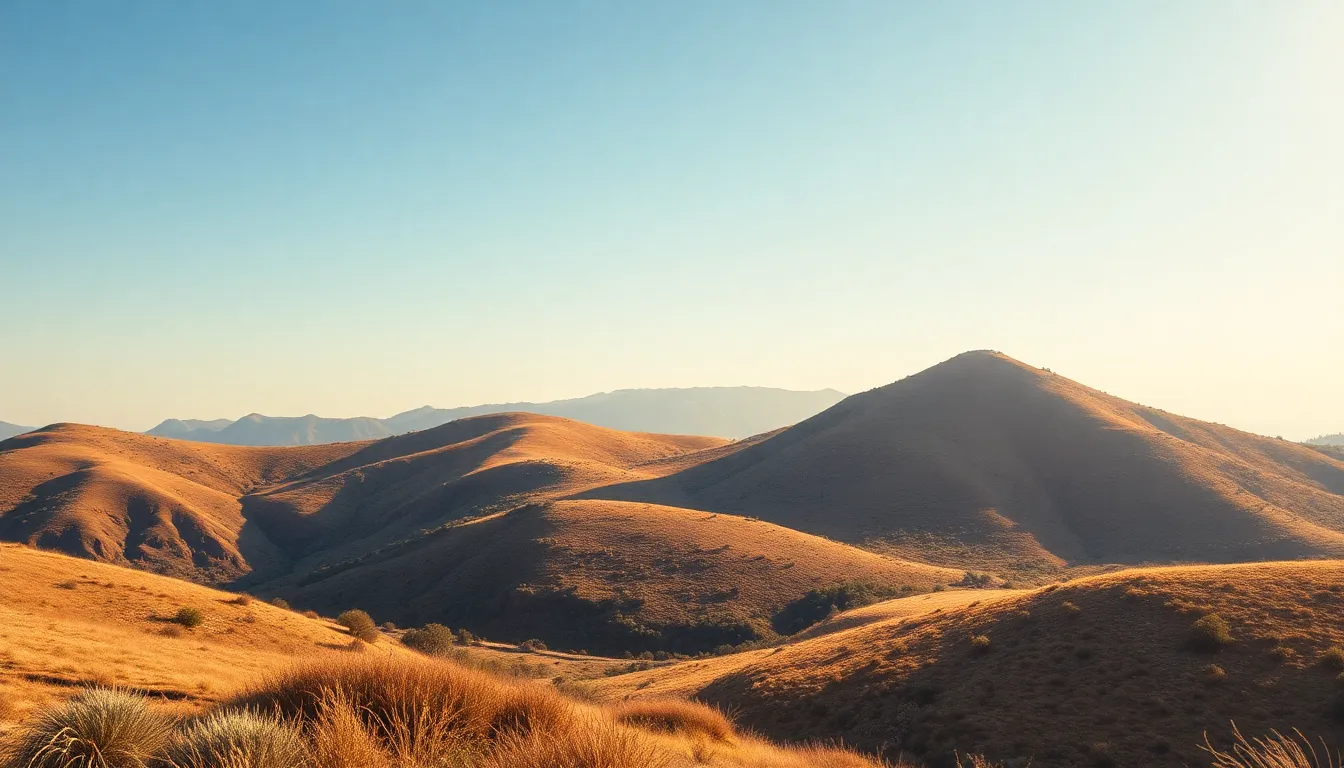
This is where the landscape does the teaching. Berea, the modern town of Veria, sits inland in the fertile country of Macedonia, with mountains rising behind it. Athens lies far to the south, across the gulf and down into the region of Achaia. Between them is sea and distance.
When your group stands in Veria and then makes that same southward journey, the abstract words of Acts 17 turn into real terrain. You feel how far it was. You understand why the believers chose the coast and a ship over the open road. You sense the urgency in the distance itself. Geography is the part of the Bible you cannot read in a book, and the Berea-to-Athens leg is one of the clearest examples in all of Paul’s travels. The danger, the speed, the protection of friends, the long road south. It is all written into the map.
By the time Paul reaches Athens, he is alone, waiting for Silas and Timothy to catch up, and what he does while he waits becomes the famous Areopagus sermon. But the sermon makes more sense when you know how he got there. He did not stroll into Athens to debate philosophers as a planned campaign. He arrived as a man freshly run out of two Macedonian cities, escorted to safety, waiting for his companions. The boldness of the Mars Hill speech is sharper when you remember the escape that preceded it.
Berea and the Lesson Groups Carry Home
I always slow down in Berea, longer than the rushed itineraries allow, and not only for the escape. There is a monument here, the Bema of the Apostle Paul, with mosaics depicting his ministry, and it is a fitting place to talk with a group about what made the Bereans special.
They tested what they heard. They did not take Paul’s word on authority alone. They searched the scriptures daily to see whether it held up, and then they believed. For congregations that value study and honest inquiry, that is a powerful lesson, and Berea is the ground to teach it on. I find that groups carry the Berea lesson home more than almost any other from the Greece journey. The combination of careful study and immediate, costly loyalty, both of which the Bereans showed, is exactly the character most leaders want for their own people.
The Macedonian leg as a whole, Thessaloniki and Berea in the north, sits at the start of the full route I lay out on our hub for spiritual sites in Greece. And the journey south naturally leads into the Achaian sites covered in our guide to Paul in Athens, Corinth, and Cenchreae.
Planning the Northern Leg for a Group
A practical note for leaders building this into an itinerary. Berea is an easy stop on the journey south from Thessaloniki, and skipping it, as rushed tours often do, costs you one of the most teachable sites in the country. The town itself is gentle and walkable, and the Bema monument is accessible. The drive south toward Athens is a long one, so I plan it with a comfortable pace and good stops rather than trying to do it in a single hard push. Tracing Paul’s escape route does not mean rushing the way he had to. We give the group time to absorb the distance, which is the whole point.
FAQ: Paul’s Macedonia Journey
Why did Paul leave Berea?
Opponents from Thessaloniki followed him to Berea and stirred up the crowds, just as they had in their own city. To protect him, the Berean believers immediately sent Paul to the coast, while Silas and Timothy stayed behind to strengthen the new church. It is the second time in one region that Paul had to flee trouble that pursued him.
What route did Paul take from Berea to Athens?
Berean believers escorted Paul from the inland town down to the coast, where he could travel south by sea toward Athens rather than risk the long overland road through hostile territory. Acts 17 says they brought him all the way to Athens before returning home. Silas and Timothy followed later.
Why were the Bereans called noble?
Acts 17:11 praises them because they received the word eagerly and searched the scriptures daily to verify whether what Paul taught was true. They combined open-mindedness with careful study, and then loyalty, getting Paul to safety the moment danger came. For groups that value honest inquiry, Berea is meaningful ground.
Is Berea worth visiting on a Greece pilgrimage?
Yes. Berea, the modern Veria, is an easy stop on the route south from Thessaloniki and is too often skipped on rushed itineraries. It holds the Bema of the Apostle Paul monument with mosaics of his ministry, and it teaches the twin lessons of careful study and costly loyalty that most groups carry home.
How does the geography deepen the Acts 17 story?
Standing in inland Berea and then traveling the long southward route to Athens lets a group feel the distance and the danger that the text only hints at. You understand why the believers chose the coast and a ship, and why Paul arrived in Athens alone and waiting. The terrain teaches what the page cannot.
If you want your group to trace this under-told escape route and stand on the ground where the Bereans searched the scriptures, I would love to help you build it into the northern leg of your Greece journey. It is one of the most teachable stretches of Paul’s travels. You can see how we structure these trips on our Greece heritage page or learn how the group experience works on our group heritage tours page.
Contact us whenever you are ready to start planning.