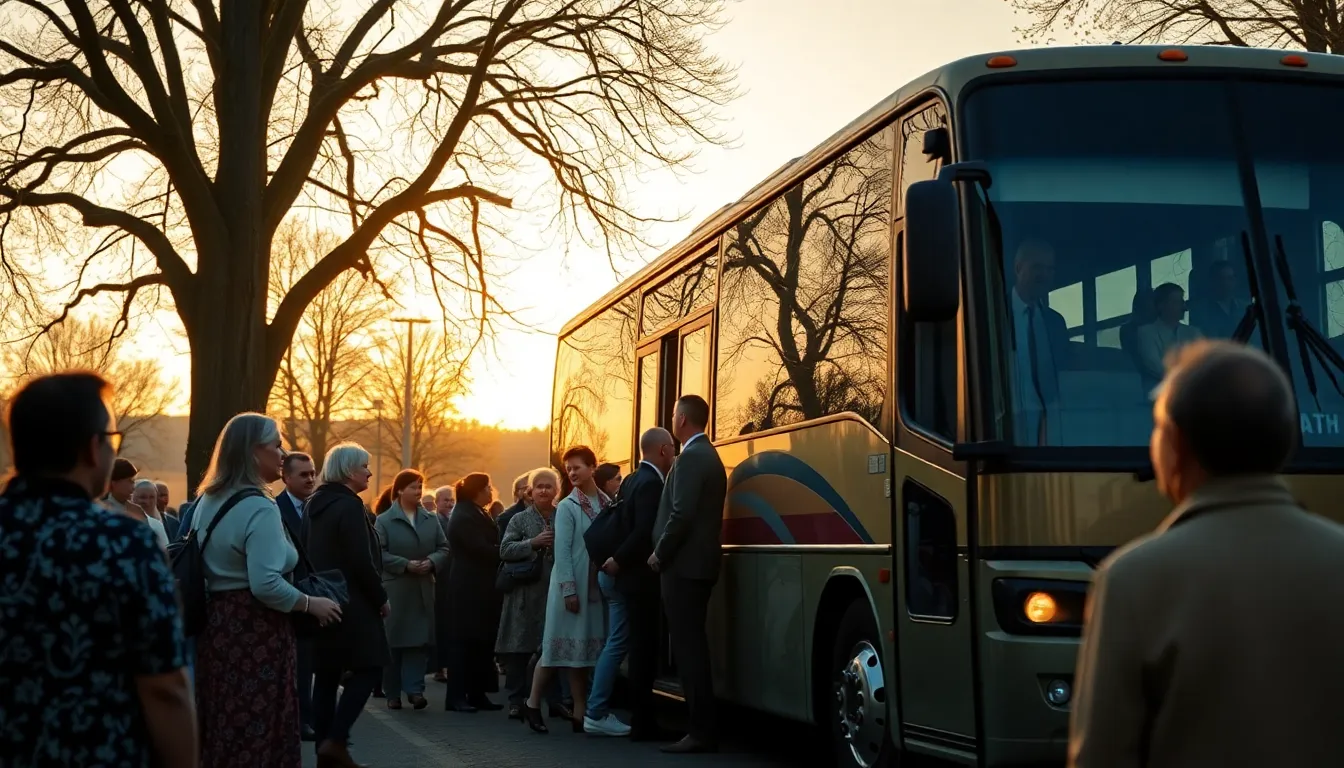
The first Germany trip I ever organized started with a single sentence dropped into a sermon. I said, almost offhand, that I hoped one day to take our congregation to the places where our faith was tested and reshaped. Three people cornered me at the door afterward. Eleven months later we were on a bus outside Wittenberg.
What I did not have, that first time, was any sense of the path between that sentence and that bus. I figured it out the hard way, and I am going to lay it out for you here so you do not have to. Building a congregation’s heritage trip from scratch is not mysterious. It is a sequence of steps, each one unlocking the next. If you know the order, you can do this even if you have never organized anything bigger than a potluck.
Here is the whole arc, from first mention to wheels up.
Step One: Plant the Idea Before You Make the Plan
Do not announce a finished trip. Plant a seed and watch what grows.
The mistake new organizers make is building an entire itinerary in private and then unveiling it. That puts all the risk on you and gives your congregation nothing to shape. Instead, mention the idea early and loosely. From the pulpit, in a newsletter, in a conversation with your leadership team. Say you are exploring a heritage journey to Germany and ask who would want to know more.
The response tells you everything. If a handful of people light up, you have a trip. If the room is silent, you have learned something cheaply, before any money or hotel block was on the line. Listen to who responds, because those early enthusiasts become your core group and often your informal recruiters.
Step Two: Define the Trip’s Purpose and Shape
Before you talk to anyone about logistics, decide what kind of trip this is. A Germany journey can be a Reformation pilgrimage, a Jewish heritage journey through Ashkenaz and remembrance, a Holocaust education trip, or a mixed itinerary that braids more than one of these.
The purpose drives every later decision: which cities, how many days, what the daily rhythm feels like, who you are inviting. A Reformation discipleship trip for your whole congregation looks very different from a remembrance journey for your leadership team. Write a single paragraph describing the trip’s heart. That paragraph becomes the anchor for every conversation that follows.
Step Three: Choose Your Operator and Build the Draft Itinerary
Now bring in a heritage tour operator. This is the step that turns an idea into a real, priced, dated trip.
The right operator does the heavy lifting you are not equipped to do alone: routing between cities, hotel blocks, a licensed guide who knows the sites specifically, meals, site access, and the contingency planning that keeps a multi-city trip from unraveling. Look for an operator who asks about your congregation’s faith background, composition, and emotional readiness before they talk hotels and prices. That question is the tell. An operator who leads with logistics does not understand what a faith heritage trip actually is.
Together you build a draft itinerary with real dates and a real per-person price. You need both before you can recruit, because your congregation’s first two questions will always be “when” and “how much.”
A Word on the Leader Benefit Here
As you build the draft, understand the economics early. With Heritage Tours, the group leader travels free with 15 or more participants. That fact changes your recruiting math in a real way. You are not asking people to subsidize your seat. You are organizing a trip where reaching fifteen unlocks your own travel, which means every conversation about filling the group is also a conversation about making the trip work for you. Knowing this from the start makes the whole effort lighter.
Step Four: Set the Price, the Deposit, and the Deadlines
People commit to trips that feel real. Vague intentions never become bus seats.
Once you have a per-person price, set a clear deposit amount and a hard registration deadline. The deposit does the work of converting interest into commitment. Someone who says “maybe” for months will decide quickly when a deposit and a deadline are on the table. Build in a couple of payment milestones between the deposit and final payment so the cost is spread out and feels manageable to families.
Be transparent about what the price includes and what it does not. Flights, meals, tips, free time. Surprises about cost are the fastest way to lose trust and travelers.
Step Five: Recruit Your Group
This is its own discipline, and I treat it at length elsewhere, but here is the spine of it.
Announce the finished trip with energy. A launch event, a Sunday presentation with photos, a sign-up table. Make it easy to say yes the same day, because momentum at launch fills more seats than anything you do later. Then follow up personally. A general announcement reaches the room. A personal invitation reaches the person. The travelers you most want often need to be asked directly before they believe they are welcome.
Aim for fifteen and beyond. That number makes the group economics work and unlocks your free leader seat. Most congregations can reach it with steady, warm recruiting over a few months.
Step Six: Prepare the Group Before Departure
A prepared congregation has a deeper trip. Send a reading packet a month out covering the sites and why each matters. Hold teaching sessions tied to the trip’s purpose, a Reformation series or a study of Jewish heritage and remembrance. Run one logistics meeting on passports, packing, walking shoes, and the physical pace of the days.
If your itinerary includes memorial sites, prepare people emotionally and not only logistically. Tell them plainly what they will encounter and how to approach it with respect. The group that arrives prepared goes deep. The group that arrives cold spends the first days just adjusting.
Step Seven: Wheels Up
By the time you reach the airport, the work is mostly done. If you have planted the idea, defined the purpose, partnered with a good operator, set clear terms, recruited warmly, and prepared your people, the trip itself runs on the foundation you built. On the ground, your job shifts to pastoral presence: morning devotionals, evening debriefs, and being fully with your community as they encounter ground that changes them.
That is the whole arc. One sentence in a sermon, six deliberate steps, and a congregation standing somewhere they will never forget.
FAQ: Planning a Church Group Trip to Germany
How early should I start planning a congregation’s Germany trip?
Start the conversation nine to twelve months before departure. That gives you runway to build the draft itinerary, set deadlines, recruit your group to fifteen or more, and run pre-trip preparation. For larger groups or peak season travel between April and October, begin even earlier to secure the best hotels and guides.
Do I have to build the itinerary myself?
No. You define the trip’s purpose and shape, and a heritage operator builds the actual routing, hotels, guide, meals, and logistics. Your role is the vision and the pastoral leadership. Trying to manage multi-city logistics yourself, on top of your congregational duties, is the fastest way to burn out before the trip even launches.
How many people do I need to make the trip work?
Fifteen is the key number. It makes the group economics work for everyone, and with Heritage Tours the group leader travels free with 15 or more participants. Most congregations reach fifteen with steady, warm recruiting over a few months, especially when the trip has a clear purpose people connect with.
What should the deposit and deadline look like?
Set a clear deposit amount and a firm registration deadline as soon as you have a per-person price. The deposit converts interest into real commitment, and the deadline creates the urgency that fills seats. Add a couple of payment milestones afterward so families can spread the cost comfortably.
How do I prepare a congregation that has never traveled together internationally?
Communicate clearly and early. Send a reading packet, hold teaching sessions tied to the trip’s purpose, and run one logistics meeting on passports, packing, and pace. A good operator plans around first-time travelers with a manageable schedule and an experienced guide, which removes most of the friction.
If you have a sentence in a sermon that you would like to turn into a real journey, I would be glad to help you map the path. No pressure, just an honest conversation about building a trip your congregation will carry for years. Start with our Germany destination page, read the broader guide for pastors and rabbis, or learn about marketing the trip to your congregation. See how the leader experience works on our group heritage tours page, and contact us when you are ready to begin.