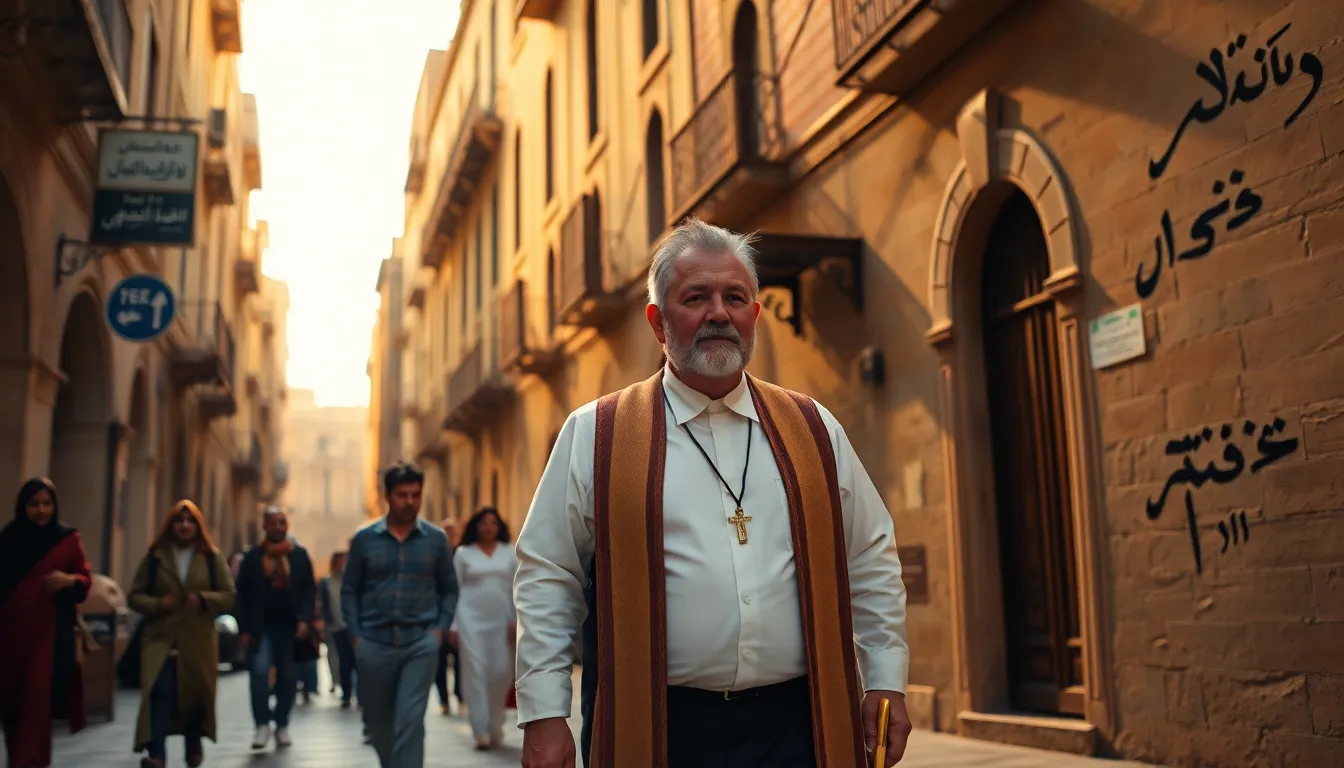
The pastors who call me about their first Egypt trip almost always open the same way. They tell me they have wanted to do this for years, and then they tell me they have no idea how a person actually leads a group of forty people across the world. I want to say to you what I say to them. You already know how to do the hard part. The hard part is being a shepherd to a group of people. You have been doing that every week for years. The travel logistics, the visas, the hotels, the buses, none of that is the part that makes you the right person to lead this trip. That part is ours. Your part is the part nobody can hire out.
So let me walk you through leading a first heritage trip to Egypt the way I would if you were sitting across from me with a notepad and a slightly nervous look on your face. We are going to separate what you carry from what you hand off, because that distinction is the whole secret to leading well on your first time out.
Start With Why You Personally Want to Go
Before you announce anything, before you pick a date, sit with one question. Why do you, specifically, want to take your congregation to Egypt? Not why it would be good for them in the abstract. Why it moves you.
I push on this because the trips that fill and the trips that transform people both start in the same place: a leader who is genuinely pulled toward the journey. Maybe it is the flight of the Holy Family, and the fact that you can stand in the Church of Abu Serga, built over the crypt where tradition says the infant Jesus sheltered, in one of the oldest churches in the world. Maybe it is the Exodus, the story under the story of the whole New Testament, the deliverance that the cross would later echo. Maybe it is simpler than that. Maybe you have read about Coptic Cairo for years and you just have to see it.
Whatever it is, name it for yourself first. Write it down. Because when you stand up in front of your congregation to announce this trip, the thing that moves them will not be the itinerary. It will be the fact that they can see this matters to you. People follow conviction, and on a first trip, your conviction is your most important asset.
If you want the wider case for why Egypt belongs on a faith community’s journey at all, our complete group heritage tour guide lays out the whole picture. Read it before you start, so you are speaking from a full understanding of what Egypt offers.
What You Carry, and What You Hand Off
Here is the mental model I want every first-time leader to hold. There are two columns. One is yours and cannot be delegated. The other is ours and should never sit on your shoulders.
Yours: The Pastoral and Spiritual Work
This is the column that makes you irreplaceable. It includes the vision for the trip, the personal invitation to your people, the teaching and devotional content, the prayer at the foot of the site, the pastoral care when someone is overwhelmed or homesick or moved to tears at a place they did not expect to feel anything. It includes knowing your people, knowing who needs a quiet word, knowing when the group needs to slow down and sit with something rather than rush to the next stop.
On a heritage trip, the moments that people carry home for the rest of their lives are almost always the ones you create. The guide explains the history of the Hanging Church. You are the one who reads the Psalm aloud in the courtyard afterward and lets the group sit in silence. That is your work. Protect your energy for it.
Ours: Everything Else
The other column is logistics, and it is genuinely everything else. Flights and seat assignments. Hotel blocks and room lists. Visa guidance for every traveler. Ground transport across the country. Site access, including the advance permissions some Egyptian sites require. Entrance fees. Guides who know the ground and know the faith dimension of the places. Safety assessment and security coordination. Dietary planning. The pickup from your hotel so your group never navigates Cairo independently.
A first-time leader who tries to manage this column will be exhausted before the plane lands, and worse, will be distracted from the column that only they can carry. Hand it off. That is what we are for. Our group heritage tours are built around exactly this division of labor.
The First-Timer’s Timeline
Let me give you the actual sequence, because “where do I even start” is the real question under all the others.
Twelve to Eighteen Months Out: Decide and Anchor
Pick your season first. For most first groups I steer toward October or November, when the heat is gone and the sites are calmer. If your pull is toward Lent or Easter, spring works beautifully too, just plan earlier because it is the busier window. Our season-by-season timing guide walks through the tradeoffs in full.
Then reach out to us and have the first conversation. We will help you shape a draft itinerary and a per-person price before you announce anything to your congregation. You should never stand up in front of your people without knowing the date, the length, and the approximate cost. Uncertainty kills enthusiasm.
Nine to Twelve Months Out: Announce and Build
Now you go public. Announce from the front. Hold an information evening. Tell your story, the one you wrote down at the beginning. Show a few images. Lay out the cost and the payment schedule plainly. Then open registration with a deposit, because a trip that people have put money toward is a trip that fills.
This is also where the leader travel policy becomes part of your planning. When you bring 15 or more participants, you travel free. Your flights, your hotels, your guides, your entrance fees, all covered. For a first-time leader this matters in a very practical way. You do not have to find room in your own budget to lead your own congregation. The community’s investment carries the group, and your presence, which is the thing that makes the trip pastoral rather than merely educational, is built into how we structure the partnership.
Three to Six Months Out: Prepare Your People
A group that arrives prepared has a deeper experience. Run a short series of teaching sessions before departure, three evenings or six weeks, your call. Walk through the Holy Family narrative, or the Exodus, or both. We can give you content for these sessions and we are happy to join one to answer the practical questions your travelers will have. By the time the group boards the plane, they should feel like they already know where they are going and why.
The Fears First-Timers Actually Have
Let me name the things you are probably not saying out loud.
”What if something goes wrong and it’s my fault?”
It will not be your fault, because the operational risk is not on you. You are not driving the bus, reading the security situation, or making the call on whether a site is safe to visit. We are. Egypt is a safe destination for organized faith group travel with an operator who knows the ground, and your group is never on its own in the country. We handle the environment. You handle your people.
”What if I can’t fill the group?”
The leaders who fill groups are not the ones with the biggest congregations. They are the ones who invite personally and specifically. A trip does not fill from a bulletin announcement. It fills from you walking up to people after the service and saying, “I think you should come on this. I think it would mean something to you.” Make a list of thirty people you could imagine on this trip and talk to each of them yourself. If you want a fuller method for this, our guide on how to recruit and fill your group walks through the invitation approach step by step.
”What if I don’t know enough about Egypt?”
You do not need to be an Egyptologist. Your guides carry the history. You carry the meaning. Knowing the date the Hanging Church was built is their job. Knowing what to read aloud when your group stands inside it is yours, and you are already qualified for that.
What Success Looks Like on a First Trip
I will tell you what I have watched happen on a hundred first trips. About day three, something shifts. The pastor stops worrying about logistics, because nothing has gone wrong and they finally trust that nothing will. And they settle into being a pastor, fully present, in a place that is doing the spiritual work for them. They watch a member who has been on the edges of the congregation for years break open at a site they did not expect to feel anything. They read a text in a place where the text happened. And they understand, usually for the first time, why people come back from these trips changed.
That is the trip you are leading toward. Everything in this article is in service of getting you to day three with your energy intact and your attention where it belongs.
FAQ: Leading Your First Egypt Heritage Trip
Do I need previous group travel experience to lead an Egypt trip?
No. Most of the pastors I work with are leading their first international group when they call me. The pastoral skill you already have is the part that matters, and it is the part you cannot learn from a manual. The logistical side is ours to manage. We have structured everything so that a first-time leader can focus entirely on their people. You bring the shepherding. We bring the operation.
How does the free leader travel policy work for pastors?
When you bring 15 or more participants on a Heritage Tours Egypt trip, you travel free. That covers your flights, hotels, guides, entrance fees, and all ground arrangements in the tour package. The only thing not covered is personal spending like souvenirs or meals outside the group program. The policy exists because we believe a pastor’s presence is essential to a meaningful journey, so we made sure no church has to find extra budget to bring their own leader along.
How far in advance should I start planning a first Egypt trip?
Twelve months is comfortable for a standard fall or winter trip. For spring, especially around Easter or Passover season, give yourself twelve to eighteen months. A first-time leader benefits from extra runway, because it gives you time to build the group properly, prepare your people, and confirm the 15 participants that make the economics work without any last-minute pressure.
What if I can’t reach 15 people for my first trip?
Smaller groups are absolutely possible and we organize them regularly. The 15 number matters because that is the threshold where you travel free, so many first-time leaders set it as their target. If you are short, talk to us. There are ways to structure a smaller trip, and there are ways to extend your invitation that often get you across the line. Start your outreach early and invite personally, and 15 is more reachable than it looks.
Do I need to know Egyptian history to lead the trip well?
No. Your guides are deeply versed in both the history and the faith dimension of every site. Your job is not to be the expert on the Coptic period. Your job is to be the spiritual leader your congregation knows and trusts, present with them in these places, framing the experience in prayer and scripture. The division is clean. The guide teaches the place. You give it meaning for your people.
If you have been holding this idea for a while, the first step is smaller than you think. You do not have to commit to anything to have a conversation. Tell me what is pulling you toward Egypt and roughly when you imagine going, and I will help you see what a first trip could actually look like for your congregation. You can explore our Egypt heritage destination page to get a feel for the journey, and if you want the wider playbook, the complete guide for group leaders covers planning a group pilgrimage from start to finish. When you are ready, reach out and we will start shaping it together.