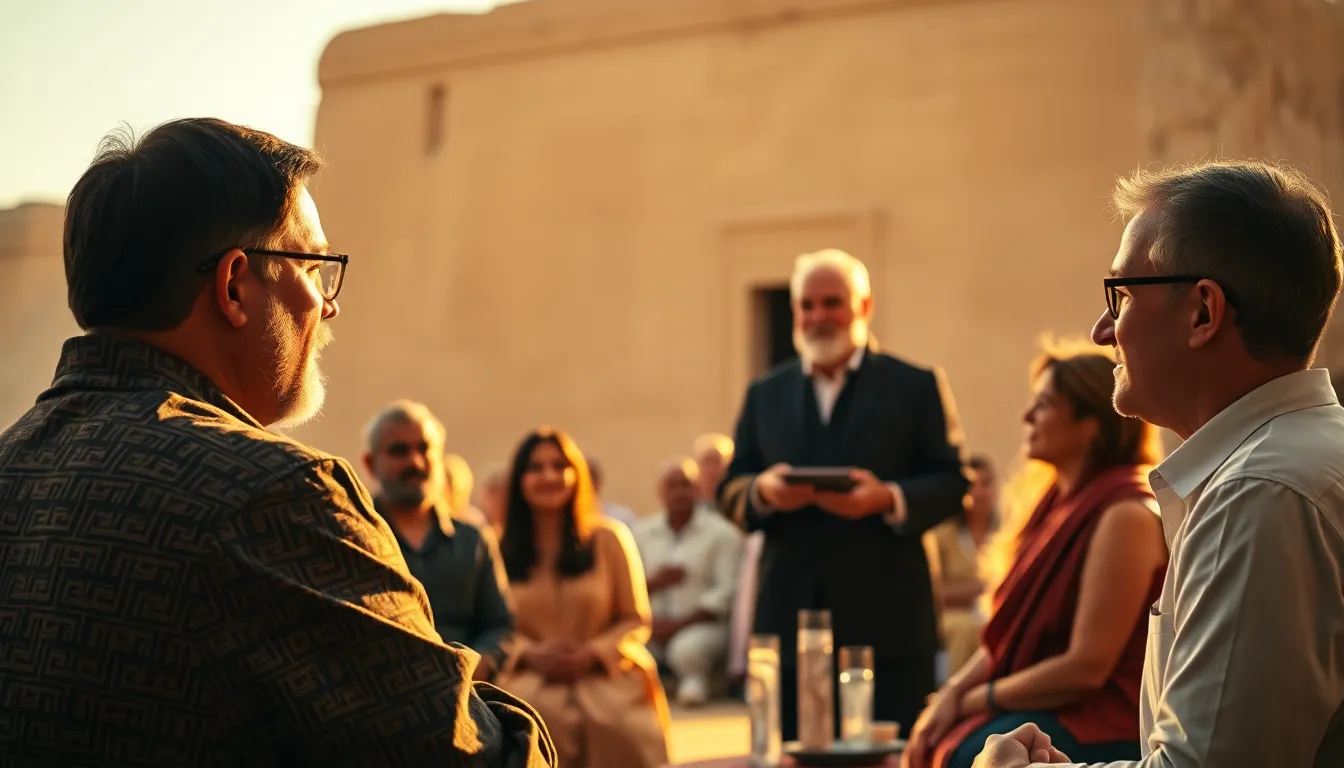
I want to start by reframing the word marketing, because it makes a lot of clergy uncomfortable, and I understand why. You did not go into ministry to run a sales funnel. But here is the truth I have watched play out over twenty years. Marketing a heritage trip is not selling. It is inviting. It is the same thing you do every week when you tell your congregation that there is a place for them, that something here is worth their time, that they belong. Filling an Egypt trip is just that instinct, pointed at a journey.
So let me give you what actually fills a group, because the difference between a trip that fills and a trip that quietly fizzles is almost never the destination. Egypt sells itself. The difference is how the leader invites. And most of what works is the opposite of what new leaders expect.
The Thing That Fills Groups Is You
Let me say the most important thing first. The single greatest predictor of whether a trip fills is not the itinerary, the price, or the size of your congregation. It is whether you, the leader, are visibly and genuinely excited, and whether you communicate that excitement personally and repeatedly.
People do not sign up for an itinerary. They sign up because someone they trust is going, believes in it, and wants them there. Your conviction is the engine. If you are lukewarm, no flyer will rescue the trip. If you are genuinely pulled toward Egypt and you let your congregation see that, the trip has a current under it that does most of the work.
So before any tactic, do the inner work. Get clear on why this journey moves you, the way our first heritage trip guide describes. That clarity is the fuel for everything below.
Specific Stories Beat Vague Announcements
Here is the mistake I see most. A leader puts a line in the bulletin: “Join us for a trip to Egypt. Details to follow.” Nothing happens, and they conclude their congregation is not interested. The congregation was interested. The announcement was just empty.
Vague announcements do not build groups. Specific stories do. Do not say “we are going to Egypt.” Say “we are going to stand in the Church of Abu Serga, in the exact spot where tradition has held for two thousand years that the infant Jesus sheltered.” Do not say “we will see the sights.” Say “we will read the Exodus aloud while standing in the shadow of the empire that enslaved our ancestors.” Specificity creates a picture, and a picture creates desire. A person cannot long for “a trip.” They can long for a moment.
Pull your specific stories from the real itinerary, the kind laid out in our complete group heritage tour guide. The more concrete the moment, the more it pulls.
The Channels, in Order of Power
Now the tactics. I am going to give them to you in order of how much they actually matter, which is roughly the inverse of how much effort most leaders put into them.
Personal Invitation: The Most Powerful Channel by Far
Make a list of thirty people you can picture on this trip. Then talk to each of them yourself, in person, with one sentence: “I think you should come on this. I think it would mean something to you.” That sentence, from you, outperforms every other channel combined. It is the difference between a person hearing about a trip and a person feeling chosen for one. If you do nothing else on this list, do this.
The Information Night: Where Interest Becomes Commitment
Gather the interested in one room. Show images. Walk the itinerary. Lay out the cost and payment schedule plainly. Answer the questions before they are asked, especially safety. End with a clear next step, a deposit to hold a place, because a deposit turns a maybe into a yes. We are glad to join your information night in person or by video to handle the practical and safety questions, so you can stay in the role of pastor rather than travel agent.
The Pulpit: For Warming the Soil
Use sermons to plant, not to pitch. Preach the Exodus or the flight into Egypt and let it land that these are real places. You are not selling from the pulpit, you are making the destination spiritually present so that when the personal invitation comes, the soil is warm.
Print and Digital: For Reminding, Not Convincing
Bulletins, emails, a page on the church site, a few social posts. These are real, but understand their job. They remind and they inform. They do not convince. Nobody decides to cross the world because of a bulletin line. Keep these consistent and clear, but do not mistake them for the work. The work is the personal invitation.
Reach the Edges, Not Just the Core
Here is a move that fills trips and changes lives at the same time. Do not market only to your most committed core. Egypt is often the trip that draws in the person who has been on the edges of the community, the one looking for something that connects but has not found their way in.
Invite the family that comes twice a year. Invite the newer member who does not know many people yet. Invite the spouse who attends but has never quite engaged. A heritage trip has a way of doing in ten days what years of Sunday mornings could not, because shared journey forges belonging fast. Some of the most moving stories I carry are about the person nobody expected to come, who came, and who was never on the edges again.
So when you make your list of thirty, do not just write down the obvious names. Write down a few you are not sure about. Those are often the ones the trip is really for.
Use the Leader Policy as a Selling Point
The free leader policy is not just an economic mechanism. It is a story you can tell your congregation, and it builds trust. When you bring 15 or more participants, you travel free, covering your flights, hotels, guides, and entrance fees. Say this out loud to your congregation. It tells them two things. First, that the trip is structured so the community is not separately funding its pastor, which means more of their money goes to the journey itself. Second, that the operator believes the leader’s presence matters enough to build it into the model. That is a trust signal, and trust is what gets people to put down a deposit. The 15 number also gives your congregation a shared, visible goal to rally toward, which is its own kind of momentum.
Keep the Momentum Once People Commit
Filling a group is not a single event. It is a campaign with a rhythm. Once people start committing, keep the energy alive. Share an update when you hit ten, then fifteen. Send a short teaching now and then to keep the destination warm in people’s minds. Let early committers become recruiters, because a congregant who is excited will bring a friend faster than any flyer. The momentum of a filling trip is contagious, and your job is to keep feeding it until you have your group.
For the full picture of how the leader experience and the policy work together, our group heritage tours page lays it out, and if you are still building the trip from the ground up, our guide on building a congregation trip from scratch walks through the whole sequence.
FAQ: Promoting an Egypt Trip to Your Congregation
How do I get people to actually sign up for a church trip to Egypt?
Through personal invitation above all else. Make a list of thirty people you can picture on the trip and talk to each one yourself, in person, telling them specifically that you think it would mean something to them. That outperforms every flyer, email, and bulletin combined. Support it with a strong information night that ends in a deposit, and use the pulpit to make Egypt spiritually present. People sign up because a leader they trust personally wanted them there.
Why isn’t my bulletin announcement filling the trip?
Because bulletins remind, they do not convince. A vague line like “join us for Egypt, details to follow” creates no picture and no desire, so nothing happens, and leaders wrongly conclude there is no interest. The interest is there. Replace vague announcements with specific stories, like standing in the church where tradition says the infant Jesus sheltered, and move the real recruiting into personal invitations. Print and digital are for reminding the already-interested, not for closing.
Should I market the trip to my whole congregation or just the committed core?
To the whole congregation, and deliberately to the edges. Egypt is often the trip that draws in someone who has been on the periphery, the twice-a-year family, the newer member, the disengaged spouse. A shared journey builds belonging fast, and some of the most moving stories come from the person nobody expected to come. When you make your list, include a few names you are unsure about. The trip is often really for them.
How do I use the free leader policy when promoting the trip?
Tell your congregation about it plainly. When you bring 15 or more participants, you travel free, which means the community is not separately funding its pastor and more of their money goes to the journey itself. It also signals that the operator values the leader’s presence enough to build it into the model, which builds trust. And the 15 threshold gives everyone a shared, visible goal to rally toward, which creates its own momentum.
How long does it take to fill a group, and how do I keep momentum?
Filling a group is a campaign, not a single event, usually running across several months of your planning window. Keep momentum by sharing milestones as you hit ten and fifteen committed, sending occasional short teachings to keep the destination warm, and letting your excited early committers recruit their friends. A filling trip is contagious. Your job is to keep feeding the energy with updates and invitations until your group is complete.
You already know how to invite people into something that matters. That is most of ministry. Pointing that instinct at an Egypt journey is all that filling a trip really takes. If you want help shaping the message, building the information night, or thinking through who to invite, that is a conversation I love to have. Explore our Egypt heritage destination page for the stories you will be telling, and when you are ready, reach out and we will help you fill it with the right people.