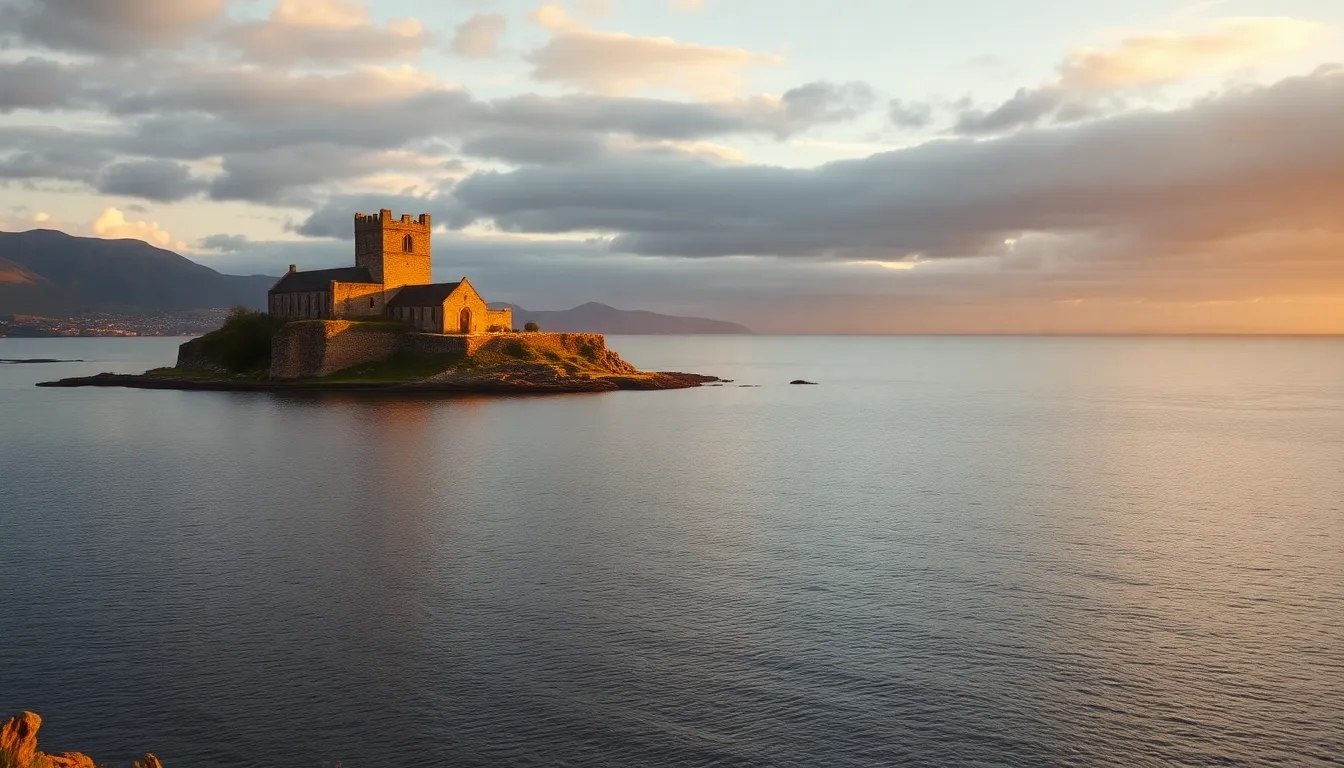
There is a moment in late June when I am standing with a group at a site in the north of Scotland, it is past nine in the evening, and the light is still gold across the water. Someone always turns to me and says, quietly, that they did not know a day could be this long. That moment is what summer in these nations gives you. It is also why summer is the busiest window I run, and why I plan it more carefully than any other.
Let me walk you through summer in Scotland, Wales, and Northern Ireland honestly: the extraordinary daylight, the crowds that come with it, and how I plan a group so the crowds never define the trip. If you are still comparing summer against spring or autumn, our season-by-season hub for these nations lays the whole year side by side. This piece stays inside the summer months.
The Two Things Summer Gives You, and the One It Takes
In these nations, every timing decision comes down to two forces: daylight and island access. Summer maxes out both. The cost it asks in return is crowds and demand. Understand that trade and you can plan a summer group that feels spacious rather than packed.
The Daylight Is the Headline
This is the variable most American groups underestimate until they live it. Because Scotland in particular sits so far north, midsummer daylight is staggering. In late June and early July, the far north of Scotland has light from before 5am until nearly 11pm, and a long lingering dusk after that. The Hebrides barely go fully dark at all.
For a heritage tour built on long drives to remote sites and island crossings, that daylight is not a luxury. It is the thing that lets you reach Iona, drive the full Antrim coast, and walk a Welsh chapel trail at an unhurried pace without ever racing the dark. A summer itinerary can simply hold more in a day, and hold it gently.
The Ferries Run Their Fullest Schedules
Summer is when the island ferry network is at full strength. Crossings to Mull and on to Iona, the Hebridean routes, the smaller island sailings, all run their most frequent daily timetables from roughly late May through August. Weather can still interrupt a crossing on any given day, the Atlantic does what it wants, but your odds of reaching an island site are at their best in summer. If island pilgrimage sites are central to your trip, this reliability is the strongest argument for a summer date.
June: The Long-Light Sweet Spot
Early summer, the first half of June, may be my favorite stretch of the whole peak season. The daylight is already at or near its longest, the ferries are on full schedules, the landscape is deep green, and temperatures sit comfortably around 14 to 18°C (57 to 64°F). And the great gift: the heaviest crowds have not quite arrived, because British and European school holidays have not yet started.
For a group with any flexibility on dates, I will often nudge toward mid-June for exactly this reason. You get summer’s daylight and ferry reliability with something closer to late-spring crowd levels at the major sites. It is the closest thing to having it both ways.
July and August: Peak Season, Eyes Open
July and August are summer at full volume. The weather is at its mildest, with highs commonly 15 to 19°C (59 to 66°F), the daylight is still long though shortening gradually from the solstice, and the whole region is alive with visitors. For families bound by a school calendar, this is often the only realistic window, and that is completely fine. We simply plan around the reality.
And the reality is genuine demand. The marquee sites, Iona, the Giant’s Causeway, Edinburgh, Stirling, the well-known Welsh cathedrals and castles, all see real visitor numbers from late June through August. Accommodation near the historic quarters books up early. The island ferries can be fully reserved on popular sailings. Roads to the famous coastal sites carry summer traffic.
None of that has to crowd your experience. Here is how I plan a summer group so the crowds stay at the edges:
- Earlier daily starts. We are at the major sites when they open, before the day-trip coaches and the afternoon swell. An hour earlier changes everything.
- Smart sequencing. We hit the busiest sites on the quieter days and quieter sites on the busy days, reading the rhythm of the region rather than fighting it.
- Reserved ferry slots, booked far ahead. Island access is never left to chance on a summer trip.
- Accommodation locked early. The right hotels near the historic quarters are part of the experience, and in summer they go first.
Done this way, a July group still gets Iona’s abbey in something like stillness, because we are there before the crowd, not in it.
The One Honest Caveat: Lead Time Is Everything
For a summer group, lead time is the whole game. The combination of school holidays, peak international tourism, and limited island ferry capacity means the best dates, the best hotels, and the reservable ferry slots all go early. I tell summer groups to commit their dates a full year out, and I mean it. A summer trip booked late is a summer trip planned around what is left, and these nations are too rewarding for that.
A Quick Summer Summary
- June: The long-light sweet spot. Peak daylight and full ferries with crowds that have not yet hit their July high. My pick for groups with flexible dates.
- July and August: Peak season at full volume. Mildest weather, long days, fullest ferry schedules, but the busiest sites and the highest demand for accommodation. The natural window for school-calendar families. Book a year out and plan around the crowds with early starts and smart sequencing.
For the packing, driving, and pacing details that shift by season, our practical heritage travel tips for these nations go deeper. And because summer is when island access matters most and books up fastest, read getting to Iona and the island sites before you finalize a summer itinerary.
How Far Ahead to Book a Summer Group
Start earlier than you think you need to. Twelve months of lead time is not too much for a summer group of fifteen or more. That runway lets you secure accommodation near the historic quarters, lock in ferry reservations before the popular sailings fill, and build your group to the number that works economically. Group leaders travel free with fifteen or more participants, and starting early also gives you the time to market the trip properly to your congregation, which is half the battle of filling a summer group.
FAQ: Summer Heritage Travel in the UK
Is summer too crowded for a meaningful heritage experience?
Not at all, but it requires planning. The marquee sites do get busy from late June through August, and accommodation books up early. We handle it with earlier daily starts so your group reaches the key sites before the day-trip crowds, smart sequencing across busy and quiet days, and ferry slots reserved far in advance. Planned this way, even a July group experiences Iona and the major sites with room to reflect.
What is the best summer month for a heritage tour?
If your dates are flexible, the first half of June. You get peak daylight and full ferry schedules with crowds that have not yet reached their July and August high. If you are bound by a school calendar, July and August work very well too, we just plan around the demand more deliberately and commit dates a year out.
How long are the days in midsummer?
Longer than most American groups expect. In late June and early July, the far north of Scotland has light from before 5am until nearly 11pm, with a long dusk after that, and the Hebrides barely go fully dark. That daylight lets a summer itinerary hold more in a day, gently, without ever racing the clock to reach remote sites and island crossings.
Will we be able to reach Iona in summer?
Summer is the most reliable time to reach Iona. The island ferries run their fullest daily schedules from roughly late May through August, so crossings to Mull and across to Iona are dependable, weather permitting. The one watch-out is capacity: popular sailings can fill, which is why we reserve ferry slots far ahead for every summer group.
How early do we need to book a summer trip?
A full twelve months for a group of fifteen or more. Summer combines school holidays, peak international tourism, and limited island ferry capacity, so the best dates, hotels, and ferry slots all go early. A summer group booked late ends up planned around leftovers, and starting early also gives you time to build your group to the free-leader threshold of fifteen.
Summer asks more of the planning, and it gives more daylight back than any other season on earth that I know. The trade is worth it when the trip is planned with care and committed early.
Contact us and let’s lock your summer dates before the best ones are gone.