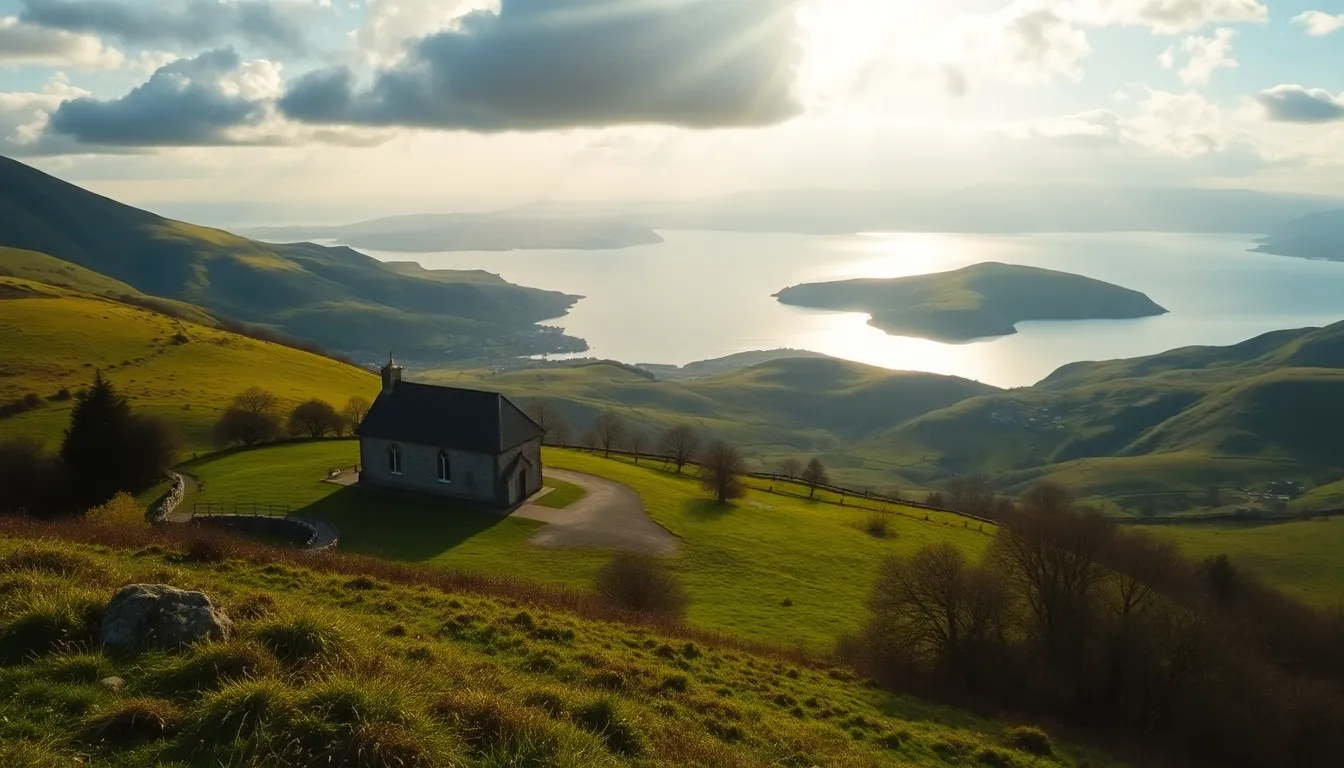
“When should we go?” It is almost always the first question a group leader asks me about Scotland, Wales, and Northern Ireland. And it is a good question, because the timing of a heritage tour through these three nations shapes everything: how much daylight you have for the long drives, whether the island ferries are running on a full schedule, how green the glens are, and whether your congregation spends the trip soaking in the light or sheltering from sideways rain.
Let me walk you through it season by season, the way I would on a planning call. These nations reward the traveler who understands their rhythms, and they punish the one who treats them like a Mediterranean beach holiday.
The Two Things That Drive Timing Here
Before the seasons, understand the two forces that matter most in the Celtic nations.
Daylight
This is the variable most American groups completely overlook. Because Scotland in particular sits far north, daylight swings dramatically across the year. In high summer, late June and early July, you can have light from before 5am until nearly 11pm in the north of Scotland. In deep winter, the sun barely clears the horizon, with daylight gone by mid-afternoon.
For a heritage tour built on long drives to remote sites and island crossings, daylight is not a luxury. It is the thing that lets you actually see Iona, drive the Antrim coast, and walk a Welsh chapel trail without racing the dark.
Island and Ferry Access
Many of the most important sites, Iona above all, sit on islands reached by ferry. Ferries run a full daily schedule in the warmer months and a reduced, weather-dependent schedule in winter. Rough seas can cancel crossings outright. If your itinerary depends on reaching an island, the season you choose directly affects how reliable that access is.
Late Spring (April to May): My Quiet Favorite
If you press me for a single recommendation, late spring is where I land for most groups.
By late April and into May, the daylight has stretched out generously, the glens and valleys are vivid green, and the worst of the winter weather has passed. Temperatures sit around 11 to 16°C (52 to 61°F). The ferry schedules are back to full strength, so island access to Iona and the Hebrides is reliable. And here is the part groups love: the crowds at the major sites have not yet peaked. You can stand in Iona Abbey or walk Armagh’s cathedral hill without the high-summer press of visitors.
For Christian groups, spring also carries the natural pull of the Easter season into the early part of this window. Walking the path of the Celtic saints during the weeks after Easter gives the whole journey a liturgical frame that deepens every site visit.
The one honest caveat: spring weather is still changeable. May can hand you a glorious week or a wet one. Pack as if both will happen, because they might.
Summer (June to August): Long Light, Fuller Sites
Summer is the most popular window, and for good reason. The daylight is extraordinary, the ferries run their fullest schedules, and the weather is at its mildest, with highs commonly 15 to 19°C (59 to 66°F). For a group that wants the longest possible days to cover ground, nothing beats June and July.
But I want you to plan summer with eyes open. The popular sites are at their busiest. Iona, the Giant’s Causeway, Edinburgh, the well-known Welsh sites: all of them see real visitor numbers from late June through August. Accommodation near the historic quarters books up early, and the island ferries can be fully reserved. For a summer group, lead time is everything. I tell summer groups to commit their dates a year out.
If your community includes families bound by a school calendar, summer may be your only realistic window, and that is fine. We simply plan around the crowds with earlier starts and smart sequencing so your group experiences the sites with room to breathe.
Autumn (September to October): Golden Light and Thinning Crowds
September is genuinely one of the most beautiful times in these nations, and it is underrated. The summer crowds thin out after the school holidays end, the light turns golden and low, and the landscape takes on autumn color. Temperatures ease back to around 10 to 15°C (50 to 59°F), and the ferries are still running near-full schedules through September into early October.
For a faith group that follows the Jewish calendar, the period after the High Holidays often opens a natural travel window, and early autumn in the Celtic nations meets that window beautifully. The weather is still workable, the sites are quieter, and the whole region feels like it is exhaling after summer.
By late October, daylight is shortening noticeably and the weather grows more unsettled. I can still make late October work for the right group, but I plan a tighter, more sheltered itinerary and keep the island crossings early in the trip.
Winter (November to March): Quiet, Atmospheric, and Only for the Right Group
I will be honest, because honesty serves you better than a sales pitch. Winter in Scotland, Wales, and Northern Ireland is not when I send most heritage groups.
Daylight is short, often gone by mid-afternoon in the north. The weather is cold, wet, and frequently wild. Ferry crossings to the islands run reduced schedules and can be cancelled by rough seas, which puts a site like Iona genuinely at risk on any given day. Some smaller rural sites and accommodations close for the season entirely.
That said, winter has a particular gift for the right group: atmosphere and solitude. Standing at a Covenanters memorial on a stark winter day, or sitting in a candlelit chapel through the Christmas season, carries a gravity that summer’s crowds cannot match. For a small, hardy, flexible group focused on a few accessible mainland sites rather than the islands, a winter heritage tour can be deeply moving. I just plan it differently, with mainland focus, shorter driving days, and built-in flexibility for weather.
A Quick Season-by-Season Summary
- Late spring (April to May): My top pick for most groups. Long days, green landscape, reliable ferries, lighter crowds. Pack for changeable weather.
- Summer (June to August): Longest daylight, mildest weather, fullest ferry schedules, but the busiest sites and the highest demand for accommodation. Book a year out.
- Autumn (September to October): Golden light, thinning crowds, still-workable weather and ferries through early October. Excellent for groups traveling after the High Holidays.
- Winter (November to March): Short days, wild weather, unreliable island access. Atmospheric and solitary for a small, flexible, mainland-focused group only.
For more on packing, driving, and the on-the-ground details that change by season, our practical travel tips for these nations go deeper. And if you are weighing whether to keep your group together privately or join a shared departure, our guide to private versus group heritage tours walks through that decision.
How Far in Advance to Book
For spring and autumn travel, eight to twelve months of lead time is comfortable for a group of fifteen or more. That gives you room to secure accommodation near the historic quarters, lock in ferry reservations, and build your group to the number that works economically.
For summer travel, start earlier. Twelve months is not too much. The combination of school holidays, peak tourism, and limited island capacity means the best dates and the best hotels go first. Starting early also lets you market the trip properly to your congregation, which is half the battle of filling a group.
FAQ: Best Time to Visit the Celtic Nations
What is the single best month for a heritage tour of Scotland, Wales, and Northern Ireland?
For most faith groups, May is the sweet spot. You get long daylight, a green landscape, reliable ferry access to islands like Iona, mild temperatures around 11 to 16°C (52 to 61°F), and crowds that have not yet hit their summer peak. September runs a close second, with golden light and thinning crowds, and it suits groups traveling after the High Holidays especially well.
Can we visit Iona in winter?
You can, but I would not build a winter group trip around it. Iona is reached by ferry across to Mull and then a second crossing, and winter ferries run reduced, weather-dependent schedules that rough seas can cancel outright. If reaching Iona is the heart of your trip, travel between April and September when the crossings are reliable. In winter, plan a mainland-focused itinerary with built-in flexibility instead.
How does daylight affect planning a heritage tour here?
More than most American groups expect. In high summer, northern Scotland can have light from before 5am to nearly 11pm, which gives you enormous room for long drives and island crossings. In winter, daylight is gone by mid-afternoon. Because these tours depend on reaching remote sites, the long days of late spring through early autumn make the itinerary far easier to enjoy without racing the clock.
Is summer too crowded for a meaningful heritage experience?
Not at all, but it requires planning. The popular sites do get busy from late June through August, and accommodation books up early. We handle this with earlier daily starts and smart sequencing so your group reaches the key sites with room to reflect. If summer is your only window because of a school calendar, it works well. Just commit your dates around a year in advance.
When should we travel if we are coming after the Jewish High Holidays?
Early autumn, September into early October, is ideal. The High Holidays keep many Jewish communities close to home through September, and once they clear, the Celtic nations are at their golden best: thinning crowds, low warm light, still-mild weather, and ferries running near-full schedules. It is one of my favorite windows to move a group through Scotland and Northern Ireland.
The timing question is almost always the first conversation I have with a group leader, and it is one of my favorites, because the right season is the one that fits your community’s calendar and your community’s people. Every congregation brings a different rhythm.
Contact us and let’s find the window that fits yours.