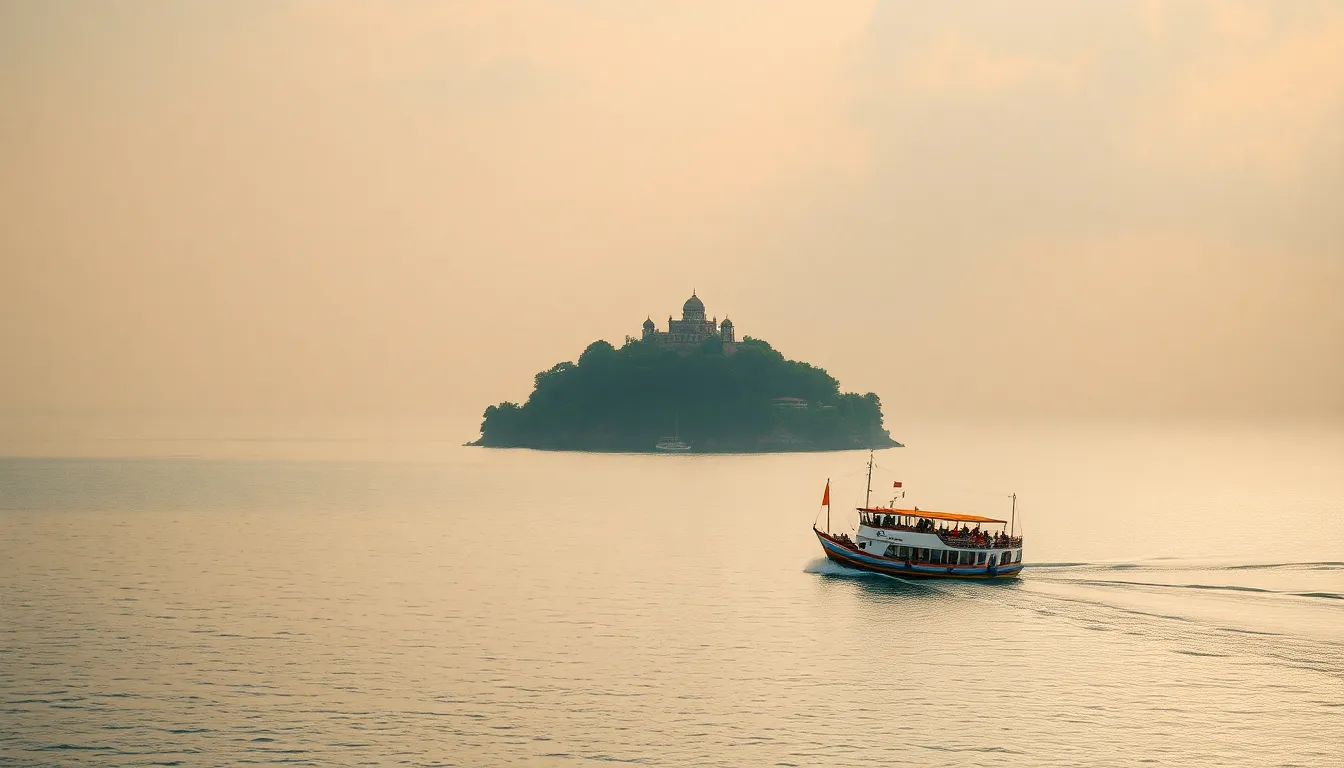
The island pilgrimage sites are the ones that stay with people. Years later, the member of your group who could not quite put the trip into words will still talk about the morning they crossed to Iona. But islands ask something the mainland does not: they make you depend on a ferry, a tide, and the Atlantic weather, all of which have opinions of their own. Getting to Iona, Bardsey, and their smaller cousins is the single most logistics-heavy part of any heritage tour through these nations, and it is the part I plan most carefully.
Let me walk you through how these crossings actually work, so you go in with realistic expectations rather than a hope and a prayer. For the wider on-the-ground details, our practical heritage travel tips for these nations cover packing and pacing. This piece is about the water.
The One Rule of Island Days: Build in Margin
Before any specific island, understand the principle that governs all of them. An island day is not a mainland day with a boat added. It is a chain of connections, each of which depends on the one before, and the whole chain is exposed to weather. A single cancelled sailing can unravel an afternoon.
So I plan island days with deliberate margin. We never schedule a tight connection. We place the island crossing early in the overall trip, so that if weather forces a postponement, there is room to try again later. And we always have a mainland alternative ready for the rare day the sea simply says no. That margin is not over-caution. It is the difference between a group that reaches Iona and a group that watched the ferry leave without them.
Iona: The Two-Ferry Pilgrimage
Iona is the heart of Celtic Christianity for most groups, and reaching it is a genuine little journey, which is part of why arriving feels like an arrival.
From the Scottish mainland at Oban, you take a car ferry across to Craignure on the Isle of Mull. That crossing runs roughly forty-five minutes to just under an hour. Then comes a drive of about an hour and a half across Mull to its far southwest tip at Fionnphort, on a road that is single-track in long stretches and slow by design. Finally, a short passenger ferry, around ten minutes, carries you across the Sound of Iona to the island itself. Cars and coaches stay on Mull; the Iona crossing is foot passengers only, which is part of what keeps the island so quiet.
A few things shape how this day goes:
- The Mull drive is the time sink, not the ferries. Groups consistently underestimate the cross-Mull leg. The single-track road does not hurry, and a coach takes it carefully. Plan generously.
- The Iona passenger ferry is frequent in season. Through the warmer months it runs at regular intervals across the day, so the final crossing is rarely the bottleneck. The first Oban ferry of the day usually sets the rhythm of everything.
- An overnight on Mull changes the experience. For groups who want unhurried time on Iona, staying a night on Mull rather than doing the whole thing as a long day out from the mainland transforms the visit. You reach Iona early, before the day-trippers, with the abbey in something close to stillness.
Iona crossings are most reliable from roughly April through September, when ferries run their fullest schedules. In the shoulder and winter months, sailings reduce and weather cancellations rise, which is worth holding in mind when you choose your season. Our season-by-season hub for these nations lays out how island access shifts across the year.
Bardsey: The Harder, Rarer Crossing
Bardsey, off the tip of the Llŷn Peninsula in northwest Wales, is the great Welsh pilgrimage island, “the island of twenty thousand saints.” It is also genuinely harder to reach than Iona, and I want you to know that before you set your heart on a fixed date.
Bardsey is served by a small passenger boat from the Llŷn coast, and the crossing is short but exposed, run across a tidal sound with strong currents. Sailings are weather-and-tide dependent to a degree that Iona’s are not, and the boat does not run on the kind of frequent daily schedule a large ferry keeps. Capacity is limited. In practice this means a Bardsey visit has to be planned around the boat operator’s seasonal sailing pattern, the tides, and a real possibility of cancellation, with a flexible window rather than a single committed day.
For a heritage group, the honest planning approach is to treat Bardsey as a hoped-for highlight with a built-in backup, not a guaranteed fixture. When the crossing happens, it is unforgettable. When the weather closes it, the Llŷn Peninsula and its mainland pilgrimage sites carry deep meaning of their own, and we pivot there without the day feeling lost.
The Smaller Island Sites
Beyond Iona and Bardsey, smaller island sites turn up in itineraries across these nations, and they each have their own quirk.
Holy Island of Lindisfarne, off the Northumberland coast, is technically a tidal island reached by a causeway rather than a ferry, but it follows the same logic as the boats: the causeway floods at high tide and is genuinely dangerous to cross at the wrong moment. Visiting Lindisfarne means planning the day around published safe crossing times, which shift daily with the tides, and respecting them absolutely.
The Hebridean islands beyond Iona, and various small Welsh and Scottish sites, each run their own ferry or boat patterns, some frequent, some sparse. The shared principle holds across all of them: check the specific operator’s seasonal schedule, plan around tide and weather, and build margin into the day.
How I Plan an Island Day for a Group
When an island is central to your trip, the planning comes down to a few disciplined choices:
- Place the crossing early in the trip, so a weather day still leaves room for a second attempt.
- Reserve ferry capacity ahead on the routes that take bookings, because in season the popular sailings fill.
- Stay close the night before where it matters, an overnight on Mull for Iona, a base on the Llŷn for Bardsey, so the group is not racing a long road to catch the first boat.
- Hold a mainland alternative ready, chosen in advance, so a cancelled crossing becomes a pivot rather than an empty day.
- Brief the group honestly, so everyone understands before we set out that the sea has the final word, and that this dependence is part of what makes the islands sacred ground.
A group of fifteen or more, planned this way, reaches these islands far more reliably than a couple traveling on hope. And group leaders travel free with fifteen or more participants, which makes the island-focused trip easier to build than many leaders expect.
FAQ: Reaching the Island Pilgrimage Sites
How do you actually get to Iona?
In three legs. A car ferry from Oban across to Craignure on Mull, about forty-five minutes to an hour. A drive of roughly an hour and a half across Mull to Fionnphort on single-track road. Then a short passenger ferry, around ten minutes, across the Sound of Iona to the island. Coaches stay on Mull; the final crossing is foot passengers only. The cross-Mull drive, not the ferries, is the part groups most often underestimate.
Is Bardsey harder to reach than Iona?
Yes, noticeably. Bardsey is served by a small passenger boat from the Llŷn Peninsula across an exposed tidal sound, with limited capacity, no large-ferry frequency, and a real dependence on tide and weather. We plan a Bardsey visit as a hoped-for highlight within a flexible window, with the Llŷn’s mainland pilgrimage sites held ready as a backup, rather than committing to one fixed day.
When is island access most reliable?
Roughly April through September, when ferries run their fullest schedules. In the shoulder and winter months, sailings reduce and weather cancellations become more common, which puts a site like Iona at genuine risk on any given day. If island sites are the heart of your trip, traveling in the warmer half of the year is the single best thing you can do for reliability.
What happens if the weather cancels a crossing?
We plan for it from the start. Island days are placed early in the trip so there is room for a second attempt, and a chosen mainland alternative is always held ready so a cancelled sailing becomes a pivot rather than a lost day. The sea has the final word in these nations, and an honest itinerary respects that rather than pretending otherwise.
Should we visit Iona as a day trip or stay overnight nearby?
For unhurried time on Iona, stay a night on Mull rather than doing the whole crossing as a long day out from the mainland. An overnight lets you reach the island early, before the day-trippers, with the abbey in near-stillness. A day trip is possible and works for some groups, but the overnight transforms the visit, and for many faith groups Iona is reason enough to build the trip around it.
The islands are where these tours become unforgettable, and they are also where careful planning earns its keep. Tell me which crossings matter to your community, and I will build the days with the margin they need to actually happen.
Contact us and let’s plan your island pilgrimage with room for the sea to cooperate.