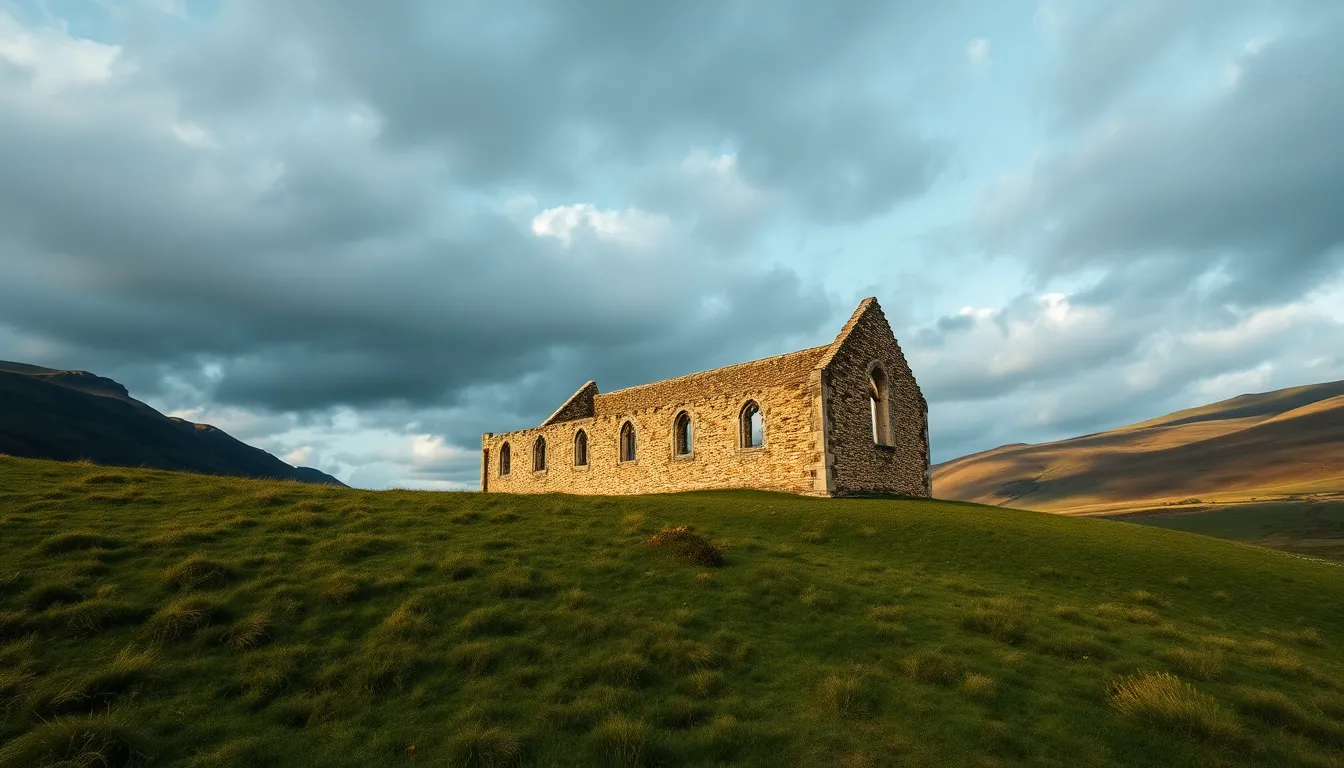
I have lost count of how many groups I have brought across Scotland, Wales, and Northern Ireland. Somewhere past thirty, I stopped tallying. And the first thing I tell every pastor or rabbi who calls me about these three nations is this: forget what you think you know about “the UK.” This is not London with castles bolted on. The Celtic nations have their own weather, their own roads, their own pace, and their own deep well of faith history that does not run through England at all.
So before you book anything, let me walk you through what actually matters on the ground. These are the practical things I wish someone had told me on my first trip, and the things that make the difference between a group that arrives flustered and a group that arrives ready to be moved.
Understand You Are Visiting Three Distinct Nations
This is not a technicality. Scotland, Wales, and Northern Ireland each have their own character, their own Christian heritage, and in two cases their own living language. When you tell your congregation you are going to “the UK,” you flatten something that deserves to be experienced in its parts.
Scotland gives you Iona, the Covenanters, the Reformation under John Knox, and the wild islands of the west. Wales gives you the 1904 Revival, the chapel culture, the early Celtic saints like David and Illtud. Northern Ireland gives you Patrick, Armagh, and the story of how Christianity came to Ireland in the fifth century. These are separate threads. A good itinerary honors that instead of blurring them.
If you want to see how these threads weave together across a full trip, our destination page for the United Kingdom lays out the regions and the stories side by side.
Weather: Plan for All Four Seasons in One Afternoon
I am going to be direct, because pretending otherwise helps no one. The weather across these three nations is changeable, often within the same hour. You can start a morning at Iona Abbey in bright sun and finish it in horizontal rain. This is normal. It is not a disaster, and it is not a reason to stay home. But your group needs to be prepared, or the weather becomes the only thing anyone remembers.
The rule I give every group is layers and waterproofs, every single day, regardless of the forecast. A packable waterproof jacket is non-negotiable. So is a warm mid-layer, even in July. Summer highs in Scotland and Northern Ireland typically sit around 15 to 19°C (59 to 66°F), and a cloudy day in the Welsh valleys can feel cooler than the number suggests. Spring and autumn run colder, often 8 to 13°C (46 to 55°F).
Footwear matters more here than almost anywhere I take groups. You will be on cobblestones, abbey ruins, muddy churchyards, and uneven coastal paths. Waterproof walking shoes with real grip will save your congregants from a fall and save you from a long afternoon at a rural clinic.
Driving and Getting Around
Here is something first-timers underestimate constantly: these are not motorway destinations. The most meaningful sites sit at the ends of single-track roads, on islands, and down lanes barely wider than the vehicle.
In Scotland especially, reaching Iona means a drive across Mull on single-track roads with passing places, then a short ferry crossing. In rural Wales and the glens of Northern Ireland, the roads wind, climb, and slow you down. This is not a place to plan tight back-to-back schedules built on highway speeds. I budget far more travel time here than the map suggests, because the map lies about how long forty miles of Highland road actually takes.
For a group, this is one of the strongest arguments for a coach with an experienced local driver rather than a fleet of rental cars. Driving is on the left, the roads are narrow, the ferry timetables are strict, and parking at the popular sites is limited. Let someone who knows the islands and the glens handle the wheel while your group looks out the window. We build all of that into the logistics so the group leader never touches a steering wheel.
Money, Connectivity, and the Small Practical Things
Currency. All three nations use the pound sterling (GBP). One thing that surprises Americans: Scotland and Northern Ireland issue their own banknotes, which look different from Bank of England notes. They are all legal tender and worth the same. Don’t let your congregants panic when they get a Scottish fiver in change.
Cards and cash. Card payments, including tap-to-pay, work nearly everywhere, even at small island shops. I still tell groups to carry a little cash for honesty boxes at remote chapels, donation plates, and the occasional rural cafe.
Tipping. Tipping is lighter than in the US. Around 10 to 12.5 percent in a restaurant if service isn’t already included, and you do not tip in pubs at the bar. I brief every group on this so no one over-tips out of habit or under-tips out of confusion.
Connectivity. Mobile coverage is good in towns and patchy on the islands and in the glens. On Iona, in parts of the Welsh hills, and along the Antrim coast, expect to lose signal. I treat that as a gift. Tell your group ahead of time so the silence feels intentional rather than alarming.
Plugs. All three nations use the UK three-pin Type G socket. Bring adapters, and remind everyone, because someone always forgets.
Pace, Health, and Mixed-Age Groups
Most faith groups I lead span a wide age range, from energetic twenty-somethings to congregants in their seventies and eighties. The terrain here rewards a thoughtful pace.
Many of the holiest sites involve walking on uneven ground, some stairs, and a fair bit of standing. The Iona pilgrimage walk, the chapel trails in Wales, the climb at some Northern Irish sites: these are doable for most, but not all, and not at a march. I build in rest, I build in seating, and I never schedule two physically demanding days back to back.
If your group includes members with mobility needs, that is not a reason to leave anyone behind. It is a reason to plan early. We have a full guide on what is and isn’t accessible across these three nations at accessibility for UK heritage tours, and I would read it before you finalize a single day of your itinerary.
Food, Dietary Needs, and the Faith Calendar
Food across the Celtic nations has come a long way, and your group will eat well. Fresh seafood on the Scottish and Antrim coasts, hearty stews, good bread, and excellent breakfasts.
If your community keeps kosher or has specific dietary requirements, this needs to be part of the conversation from day one, not a request made on arrival. Dedicated kosher provision is limited outside the larger cities, and the islands have almost none. We coordinate this in advance with local providers, but it takes lead time. The same is true for halal, vegetarian, vegan, and serious allergy needs. Tell us early and we solve it. Tell us late and the options shrink.
For groups planning around the faith calendar, also think about Sundays. In some of the more traditional Hebridean and Welsh communities, Sunday observance is genuinely kept, which means quieter towns and limited services. Built into an itinerary thoughtfully, that quiet can be one of the most meaningful parts of the trip.
Budgeting Realistically
Heritage travel in these nations is not the cheapest trip you can take, and I would rather be honest than have you surprised. The remote sites, the ferries, the specialist guides, and the smaller hotels near the historic quarters all cost more than a generic coach tour of major cities.
That said, the group economics help a great deal. With Heritage Tours, the group leader travels free with 15 or more participants, which changes the math for the whole community. For a full breakdown of what shapes the price and where the money actually goes, see our guide to UK heritage tour costs.
FAQ: Heritage Travel Tips for the Celtic Nations
Do I need a different plug adapter for Scotland, Wales, and Northern Ireland?
No. All three use the same UK three-pin Type G socket, the same as the rest of Britain. One type of adapter covers your entire trip. Bring a couple, because someone in the group always forgets theirs, and charging cameras and phones each night matters when you are documenting a once-in-a-lifetime journey.
What is the weather actually like, and when is it most reliable?
Changeable year-round, with rain possible in any season. The most stable and mild stretch is roughly May through September, with summer highs around 15 to 19°C (59 to 66°F). Even then, pack waterproofs and warm layers for every day. The weather is part of the character of these places, and groups that come prepared end up loving it rather than fighting it.
Should our group drive ourselves or use a coach?
For a group, a coach with an experienced local driver is almost always the right call. The roads are narrow, much of the best heritage sits at the end of single-track lanes and short ferry crossings, and driving is on the left. A local driver who knows the island ferry timetables and the Highland roads removes the single biggest source of stress, and frees your group to actually look out the window.
Will my congregants be able to use credit cards everywhere?
Almost everywhere, including tap-to-pay at small island shops and cafes. Carry a little cash for honesty boxes at remote chapels, donation plates, and the occasional rural spot that prefers it. Remember that Scotland and Northern Ireland print their own banknotes, which look different but are worth exactly the same as Bank of England notes.
How physically demanding is a heritage tour of these nations?
Moderate, and very manageable with the right pace. Expect uneven ground, abbey ruins, some stairs, and a fair amount of standing and walking on cobblestones. We design itineraries that build in rest, avoid back-to-back demanding days, and offer accessible alternatives where the terrain is difficult. With sensible planning, mixed-age groups including members in their seventies and eighties travel comfortably.
If you are starting to picture what a journey through Scotland, Wales, and Northern Ireland could look like for your community, the practical questions are the right place to begin. They are the ones I love talking through, because getting them right is what frees your people to be present at the sites that matter.
Contact us whenever you want to start mapping it out together.