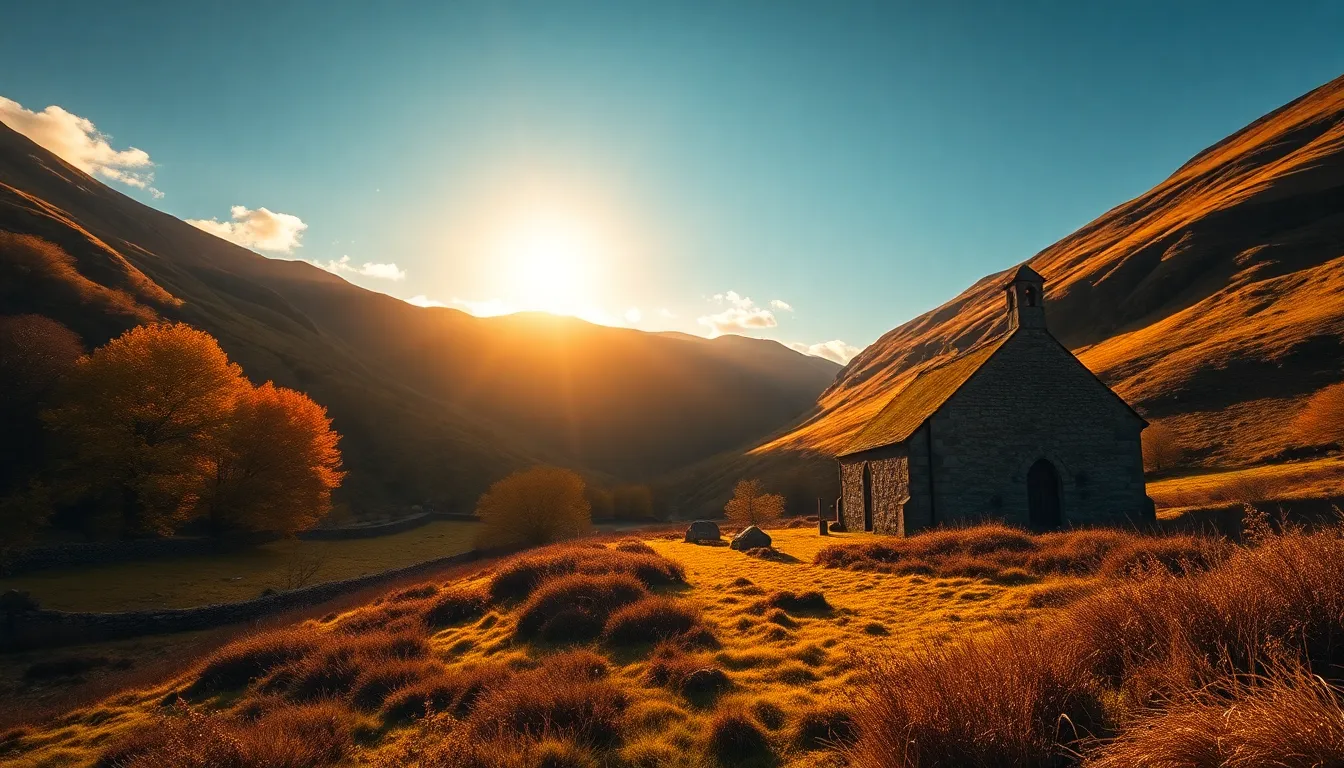
September might be the most underrated month I work in these nations, and I do not say that lightly. The summer crowds have gone home, the light has turned low and golden, the bracken on the hills is going copper, and the ferries are still running. For a group leader who wants the islands and the abbeys without the high-summer press, autumn is a quiet gift. The trick is knowing how the window narrows as the weeks go on.
Let me walk you through autumn in Scotland, Wales, and Northern Ireland month by month, the way I would on a planning call. If you are still weighing autumn against spring or summer, our season-by-season hub for these nations sets the whole year side by side. This piece stays inside the autumn window.
Why Autumn Works, and Why It Is Time-Sensitive
The two forces that drive every decision in these nations, daylight and island access, are both in gentle retreat through autumn. That is the whole story of the season in one sentence. Early autumn still holds most of summer’s reliability with none of its crowds. Late autumn begins handing the daylight and the dependable ferries back to winter. So the calendar matters more in autumn than in almost any other season. The difference between mid-September and late October is large.
September: The Golden Sweet Spot
September is genuinely one of the most beautiful times to move a group through these nations, and it is my pick for the season without hesitation.
Once the British school holidays end in early September, the summer crowds thin out fast. The marquee sites, Iona, the Giant’s Causeway, Edinburgh, the Welsh cathedrals, feel like they are exhaling. The light turns low and golden in a way that flatters every abbey and standing stone, and the landscape begins its turn to autumn color. Temperatures ease to around 10 to 15°C (50 to 59°F), comfortable for full days of walking and driving. And crucially, the ferries are still running near-full summer schedules through September, so island access to Iona and the Hebrides remains reliable.
Daylight in September is still generous, around thirteen hours early in the month, shortening to about twelve by the end. That is plenty for long drives and island crossings without racing the dark, though noticeably less than the endless light of June.
For a faith group following the Jewish calendar, September carries a particular logic. The High Holidays keep many communities close to home through much of the month, and once Rosh Hashanah through Sukkot has cleared, the period that opens, late September into October, meets the Celtic nations at their golden best. It is one of my favorite windows to move a group, and the calendars line up almost perfectly.
Early October: The Window Still Holds
The first half of October is the natural extension of September’s gift, and for many groups it is the practical sweet spot, especially those traveling after the High Holidays.
Through early October the ferries are typically still on or near their summer schedules, so island access remains workable. The autumn color deepens, the crowds are genuinely thin, the light stays low and beautiful, and temperatures hold around 9 to 13°C (48 to 55°F). Daylight is shortening more noticeably now, down toward eleven hours, so I build a slightly tighter itinerary than I would in September and keep the island crossings early in the trip, before any weather turns.
This is the window where a group can have a site like Iona Abbey in near-solitude, stand on the cathedral hill at Armagh with the whole place to themselves, and feel the region settling into its quiet half of the year. There is a gravity to it that summer’s crowds simply cannot offer.
Late October: The Edge of the Season
By late October, autumn begins handing itself over to winter, and I plan accordingly.
Daylight is shortening fast, the weather grows more unsettled, and the island ferries begin moving toward their reduced winter schedules, which puts dependable island access genuinely at risk on any given day. Temperatures slip toward 7 to 11°C (45 to 52°F), and the Atlantic weather can turn wild.
I can still make late October work for the right group, and sometimes it is the only window a community’s calendar allows. When I do, I plan it differently: a tighter, more sheltered itinerary, shorter driving days, the island crossings placed early in the trip with built-in flexibility for weather, and a mainland focus if the forecast looks rough. Approached that way, late October still delivers the golden light and the solitude. It just needs a more careful hand.
A Quick Month-by-Month Summary
- September: The golden sweet spot. Thinning crowds after the school holidays, low warm light, autumn color, comfortable temperatures, and ferries still near-full. Ideal for groups traveling after the High Holidays.
- Early October: The window still holds. Ferries typically still workable, deep autumn color, genuinely thin crowds, shortening days. The practical sweet spot for many post-holiday groups. Keep island crossings early.
- Late October: The edge of the season. Short days, unsettled weather, ferries moving toward winter schedules. Workable for the right group with a tighter, sheltered, mainland-leaning plan and weather flexibility.
For the packing, driving, and pacing details that shift by season, our practical heritage travel tips for these nations go deeper. And because autumn ferry schedules begin tightening as the weeks pass, read getting to Iona and the island sites before you set a late-autumn date.
How Far Ahead to Book an Autumn Group
For autumn travel, eight to twelve months of lead time is comfortable for a group of fifteen or more. That gives you room to secure accommodation near the historic quarters, lock in ferry reservations for the island crossings, and build your group to the number that works economically. Group leaders travel free with fifteen or more participants, and earlier planning makes that threshold far easier to reach because you have time to market the trip properly to your congregation.
If your community travels right after the High Holidays, that late-September-into-October window is popular for good reason, so confirm your dates on the earlier side to hold the right hotels.
FAQ: Autumn Heritage Travel in the UK
What is the best autumn month for a heritage tour of these nations?
September, for most groups. After the school holidays end, the crowds thin fast, the light turns low and golden, the landscape colors, temperatures stay comfortable at 10 to 15°C (50 to 59°F), and the ferries still run near-full schedules for reliable island access. Early October extends that window and suits groups traveling after the High Holidays especially well.
Can we still reach Iona in autumn?
Through September and into early October, yes, reliably, because the ferries are typically still on or near their summer schedules. By late October the island routes begin moving toward reduced winter schedules with a real chance of weather cancellation, so for a late-autumn trip I place the island crossings early in the itinerary and build in flexibility. If Iona is the heart of your trip, aim for September or early October.
Why is autumn good for groups traveling after the Jewish High Holidays?
The High Holidays keep many communities close to home through much of September, and once Rosh Hashanah through Sukkot clears, the late-September-into-October window meets these nations at their golden best: thinning crowds, low warm light, still-workable weather, and ferries running near-full schedules. The faith calendar and the travel calendar line up almost perfectly.
How much daylight will we have in autumn?
Less than summer but still workable, and shortening as the season goes on. September runs about thirteen hours early in the month, easing toward twelve by the end. Early October drops toward eleven, and late October shortens noticeably further. That is enough for long drives and island crossings in September and early October, while late October calls for a tighter, more sheltered itinerary.
Is late October worth it, or should we travel earlier?
Earlier is safer, but late October can be moving for the right group. The trade-offs are real: short days, unsettled Atlantic weather, and ferries moving toward winter schedules. When a community’s calendar only allows late October, I plan a tighter, sheltered, mainland-leaning itinerary with the island crossings early and flexibility built in. For dependable island access and longer days, aim for September or early October instead.
Autumn is the season I recommend most often after spring, and for groups traveling once the High Holidays clear it is frequently the best fit of the whole year. The window is golden and real. It just narrows as the weeks pass, so the date deserves a careful conversation.
Contact us and let’s find the autumn window that fits your community’s calendar.