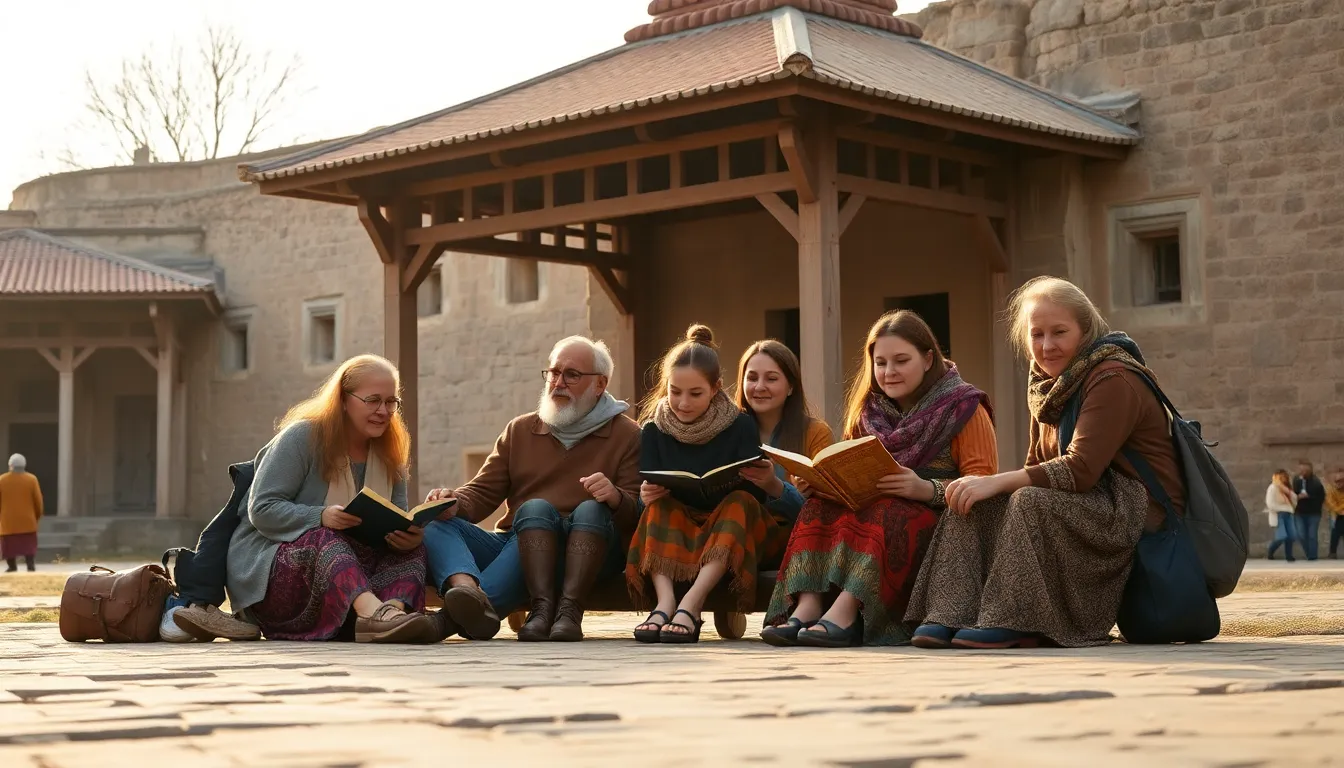
The difference between a good heritage trip and one that changes people is almost always decided before anyone gets on the plane. I have watched two groups stand in the exact same spot at Iona Abbey on the exact same afternoon and have completely different experiences. One group had done the work ahead of time. They knew who Columba was, why his community mattered, and what they were walking into. The other group was meeting it cold. The first group wept. The second group took photos.
I am not saying that to be hard on anyone. I am saying it because preparation is the most overlooked part of leading a faith group, and it is the part that is entirely in your hands. The itinerary is my job. Getting your people ready to receive it is yours. So here is how I coach group leaders to prepare a congregation spiritually for a Celtic heritage journey, in the months before departure.
Why Preparation Matters More on a Celtic Trip Than Most
The heritage of Scotland, Wales, and Northern Ireland is not obvious to most travelers walking in. People arrive knowing the Holy Land story or the Egypt story because they have heard those read aloud their whole lives. The Celtic Christian story is different. Most of your group has never heard of Columba, or Patrick before the parades, or the Welsh Revival, or the Covenanters who died rather than bend.
That unfamiliarity is exactly why preparation pays off so heavily here. A site that means nothing to an unprepared visitor becomes overwhelming to someone who spent the previous three months learning the story it holds. You are not just teaching facts. You are giving your people the eyes to see what they are looking at.
You can get oriented to the full sweep of this heritage on our United Kingdom destination page, which lays out the threads your group will follow.
Start Three Months Out, Not Three Weeks
The most common mistake is leaving preparation until the trip is nearly here, when everyone is focused on packing lists and passport renewals. By then the spiritual groundwork competes with logistics, and logistics always win.
Begin the real preparation about three months before departure. That is enough time to build a rhythm without making it feel like a homework burden, and it lets the story sink in slowly rather than being crammed. I suggest a simple cadence: one focused session or reading every two weeks, building toward the trip. Six or seven touches across three months is plenty to transform how your group experiences the journey.
Build the Study Around Your Trip’s Spine
Do not try to teach all of Celtic Christianity. Teach the specific story your itinerary follows. If your trip centers on Iona, your preparation centers on Columba and the early Celtic church. If it follows the Welsh Revival trail, your study is the revival of 1904 and the people swept up in it. Match the preparation to the route, and every session has a payoff your group will physically walk into weeks later.
For an Iona and Columba Journey
Center the study on Columba’s departure from Ireland, the founding of the community on Iona in 563, and how that small island became the launching point for the Christian story across Scotland and northern England. Read about the rhythm of prayer and work the monks kept. Talk about what it meant to carry faith across the sea in an open boat. When your group steps onto the ferry, they are crossing the same water with that story in their bodies.
For a Patrick and Armagh Journey
Build the preparation around Patrick’s own words, which we still have. His Confession is short, plain, and moving, and reading it together changes how your group stands at Armagh later. Strip away the shamrocks and the parades and let your people meet the actual man: enslaved, escaped, and called back to the very place that held him captive. That story preaches itself once people know it.
For a Covenanters Journey
Prepare your group to understand conviction that costs something. The Covenanters held to their faith under real persecution, and many died for it. Read a few of their stories before you go. When your group stands at a martyr’s grave in a quiet Scottish kirkyard, the silence means something only if they know what happened there.
Use the Tools Your Tradition Already Has
You do not need to invent a curriculum. Lean on what your community already does well.
For a church, build the preparation into existing structures. A short teaching series across a few Sunday school weeks. A passage in the weekly bulletin. A book the small groups read together. The Celtic story slots naturally into themes most congregations already preach: discipleship, mission, sacrifice, revival.
For a synagogue, the framing is different but the principle holds. Even on a trip rooted in Christian heritage, a Jewish group benefits enormously from understanding the history they are walking through, the relationship between these communities and Scripture they share, and the questions the sites raise. Preparation here is about context and respect, and it makes the encounter richer rather than confusing.
Prepare the Heart, Not Just the Head
Knowledge is half of it. The other half is helping your people arrive open. I encourage leaders to set an intention with the group before departure, something simple and shared. What does our community hope to receive from this journey? Naming that out loud, together, weeks ahead, changes how people travel.
Encourage your group to come with a question rather than a checklist. A traveler chasing a list of sites is busy. A traveler carrying a real question is present. The Celtic sites are quiet, weather-beaten, and unhurried. They reward people who slow down, and slowing down is a posture you can cultivate before anyone leaves home.
I also tell leaders to prepare their people for the weather and the pace honestly, because spiritual openness collapses fast when someone is cold, wet, and surprised. A group that expects the rain, expects the slow island ferries, and expects unhurried evenings will receive the trip with grace. A group that expected a brisk sightseeing tour will spend its energy frustrated. Preparation includes setting expectations.
Keep the Preparation Going on the Trip Itself
The spiritual work does not stop at the airport. The most meaningful groups I have led kept a daily rhythm on the ground. A short reading each morning tied to that day’s site. A few quiet minutes for reflection at the most significant stop. A real conversation at dinner about what people felt that afternoon. You do not need to over-program it. You just need to make a little space, and the group fills it.
Some leaders bring a small printed companion for the trip, a few pages per day with the day’s story, a passage, and a question or two. It does not have to be elaborate. It just has to give your people a thread to hold across the days.
FAQ: Preparing Your Group for a Celtic Heritage Trip
How far ahead should I start preparing my group spiritually?
About three months before departure is the sweet spot. That gives you enough time for a steady rhythm of study without it competing with the packing-and-passport rush of the final weeks. Aim for a focused reading or session roughly every two weeks, building toward the trip, so the story settles in gradually rather than being crammed at the end.
What should the pre-trip study actually focus on?
Build it around your specific itinerary, not all of Celtic Christianity. If your trip centers on Iona, study Columba and the early Celtic church. If it follows Patrick, read his Confession. If it traces the Covenanters or the Welsh Revival, prepare those specific stories. Match the study to the route so every session pays off at a site your group will physically stand in.
We are a Jewish group on a trip with Christian heritage. How do we prepare?
Preparation for a Jewish group is about context and understanding rather than devotion to the Christian story. Help your people understand the history they will walk through, the shared scriptural roots, and the human stories these sites hold. That groundwork makes the encounter richer and more respectful, and it keeps the experience from feeling confusing or distant when you arrive.
Do I need to create a formal curriculum?
No. Lean on the structures your community already has. A short teaching series, a book the small groups read together, a passage in the weekly bulletin. The Celtic story fits naturally into themes most congregations already explore. Keep it simple and consistent rather than elaborate, because a steady light touch over three months beats one intense session.
How do we keep the spiritual focus going during the trip itself?
Build a small daily rhythm: a short morning reading tied to the day’s site, a few quiet minutes at the most significant stop, and a real conversation at dinner about what people felt. You do not need to over-program it. A little intentional space each day, and the group fills it with the depth you prepared them for.
If you are starting to plan a Celtic heritage journey and want to think through how to prepare your specific community for it, I would be glad to help. The preparation is where the trip is really made, and a good itinerary and a well-prepared group together produce something neither does alone.
Reach out here, or look at how we structure our group heritage tours so the preparation and the route fit together.