The Corner of Wales Most Groups Never Reach
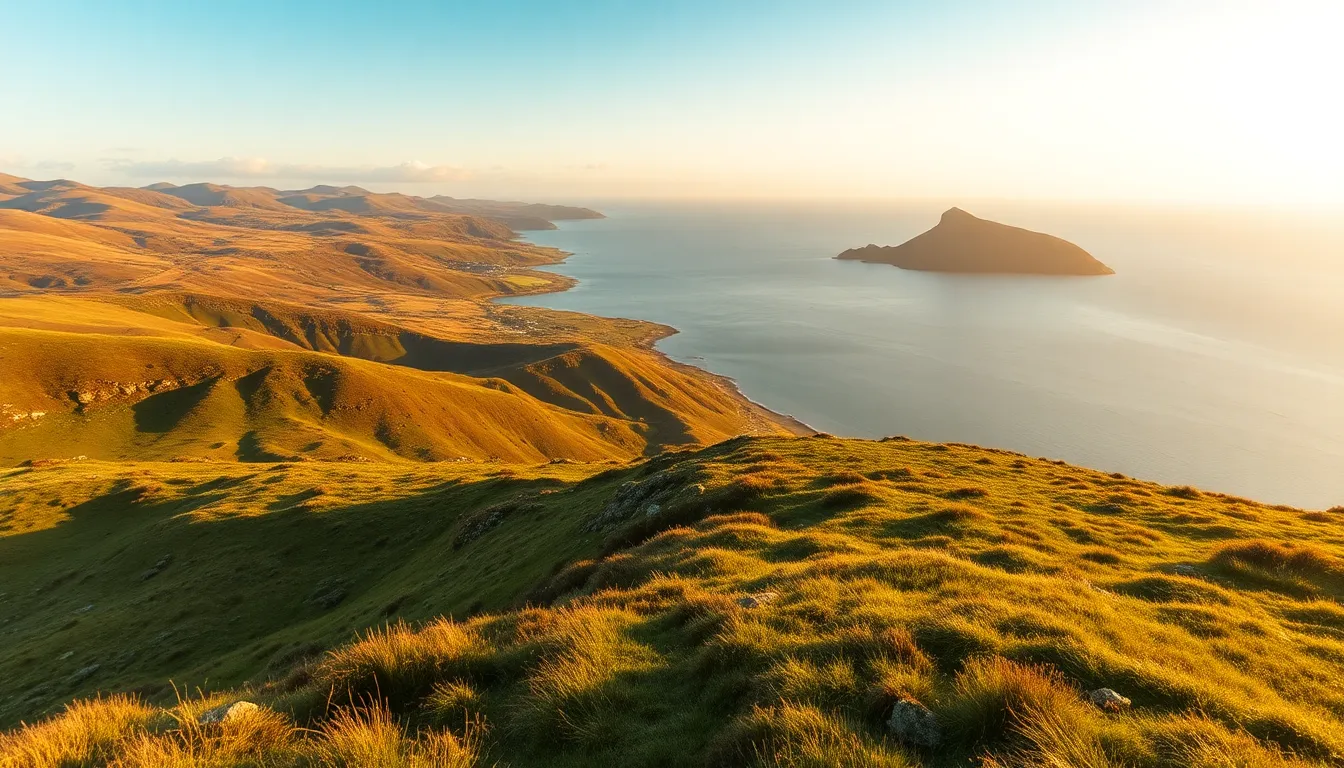
When people picture a heritage trip to Wales, they almost always picture the south: St Davids, the Revival valleys, Cardiff. I understand why. That is where most of the well-known story sits. But the first time I brought a group up to the far northwest, to the Llŷn Peninsula and the old cathedral city of Bangor, something shifted in the room. People who had read about Celtic Christianity for years suddenly found themselves standing in the middle of it, on a coast where pilgrims have walked for fourteen centuries, looking across the water at an island that an entire medieval church called holy.
I have led heritage groups through these nations for over twenty years, and North Wales remains one of my quiet favorites. It is less traveled than the south, the landscape is wilder, and the faith story runs deep and old. This guide is meant to orient you to the region: what is here, why it matters, and how to plan a trip that does it justice. If you have not yet read our United Kingdom heritage travel guide, start there for the wider picture, then come back here for the north.
Bangor: One of Britain’s Oldest Christian Sites
Most people drive through Bangor on the way to Snowdonia without realizing what they are passing. The cathedral here traces its origin to Saint Deiniol, who founded a monastic community on this spot around the year 525. That makes it one of the oldest continuously used Christian sites in the whole of Britain, older than almost any cathedral foundation in England.
The building you see today is medieval and later, much rebuilt over the centuries, but the ground it stands on has held worship for fifteen hundred years. For a group, Bangor works well as a base and an anchor. It sits at the gateway to the peninsula, it has the practical things a group needs, and it gives you a concrete starting point for the story. I usually open here, walking the group through how the Celtic church spread along these coasts by sea rather than by road, monastery to monastery, before sending them out toward the saints’ coast itself.
The Llŷn Peninsula: The Saints’ Coast
West of Bangor, the land narrows into the Llŷn Peninsula, a long finger of rock and farmland reaching out into the Irish Sea. In Welsh tradition this is the road to the saints. For centuries, pilgrims walked the length of the peninsula toward its tip, stopping at churches and holy wells along the way, all of it leading to one destination across the water.
Walking the Pilgrim Route
The old pilgrim route is one of the most rewarding things a group can do in the north. You do not need to walk the whole length, and most groups should not try. But choosing a stretch of it, with the sea on one side and the small ancient churches along the way, gives people a physical sense of what pilgrimage meant before tourism existed. The churches here are tiny, often stone, often centuries old, set in the kind of landscape that quiets a group without anyone needing to say a word.
Holy Wells and Ancient Churches
Scattered across the peninsula are holy wells, places where pilgrims stopped to rest and pray on the long walk. Some are marked, some take a little finding. I treat these as teaching moments rather than destinations in themselves. They show how the Celtic faith wove itself into the actual land, into water and stone and path, in a way that feels very different from the cathedral Christianity most groups know.
Bardsey Island: The Island of Twenty Thousand Saints
At the very tip of the peninsula, across a stretch of fast and often rough water, lies Bardsey. Ynys Enlli in Welsh. Medieval tradition held that three pilgrimages to Bardsey equaled one to Rome, and the island earned the name Island of Twenty Thousand Saints for the countless monks and pilgrims said to be buried there.
Bardsey is the spiritual high point of any North Wales trip, and it is also the hardest part to plan. The island is small, the boat crossing depends entirely on the weather and the tides, and landing numbers are limited to protect the place. Not every group will get across, and you have to plan for that honestly. When the crossing does happen, it is unforgettable: a remote, wind-scoured island where the silence and the sense of accumulated prayer land on people in a way that few sites manage.
For groups that cannot cross, the view from the mainland tip, looking out at the island across the water as countless pilgrims once did, still carries real weight. I have led reflections on that headland that moved people as much as a landing would have.
How North Wales Fits a Wider Trip
North Wales rarely fills a whole heritage trip on its own, and I do not usually recommend trying to make it. It works best as one strong movement in a larger Welsh journey, or paired with a crossing to Ireland.
The natural pairing within Wales is south to north: open with Saint David and his cathedral in the far southwest, where the Welsh Celtic story has its heart, then travel north to Bangor and the saints’ coast to see how that same faith spread along the western seaboard. Groups focused on the modern story can weave in the Welsh Revival of 1904, though that history sits mostly in the south. North Wales also connects naturally to Ireland by sea, which opens the door to the wider Celtic Christian world.
Practical Notes for Group Leaders
A few honest things about moving a group through the north.
First, the Bardsey crossing controls your itinerary, not the other way around. If reaching the island matters to your group, build flexibility into those days and treat the crossing as weather-dependent from the start. Do not promise the group a landing you cannot guarantee. Frame it as a hope, and the mainland alternative as a genuine experience in its own right.
Second, the roads on the Llŷn Peninsula are narrow. A full-size tour coach struggles on parts of this coast. The right vehicle for the north is often smaller than the standard, and that is a planning decision to make early.
Third, this is a place that rewards slowing down. The temptation is to tick off Bangor, the peninsula, and Bardsey in a rush. Resist it. The north gives its best to groups that walk a stretch of the pilgrim path without hurrying, sit in the small churches, and let the landscape do its work.
A heritage tour here is not a standard coach trip, and the right operator makes the difference between a rushed drive-through and a real encounter. At Heritage Tours, we build every itinerary around what matters to your community, arrange worship at the right moments, and handle the logistics so you can lead your people. With 15 or more participants, the group leader always travels free.
If the saints’ coast is calling your community, start by exploring our United Kingdom heritage destination and our group heritage tours. There is no obligation, just a conversation about what is possible.
FAQ: North Wales Heritage Travel
What is the main draw of a North Wales heritage trip?
The saints’ coast. Bangor holds one of the oldest Christian sites in Britain, founded around 525. The Llŷn Peninsula carries the medieval pilgrim route, lined with ancient churches and holy wells. And at the tip lies Bardsey Island, the Island of Twenty Thousand Saints, a pilgrimage destination so revered that three trips there were once counted equal to one to Rome.
Can my group definitely land on Bardsey Island?
Not guaranteed. The crossing depends on weather and tides, the water can be rough, and landing numbers are limited to protect the island. We plan it as a hope rather than a promise and always build a meaningful mainland alternative on the peninsula tip. When the crossing works, it is the high point of the trip.
Does North Wales work as a whole trip on its own?
Usually not. It works best as one strong movement in a wider Welsh journey, paired with St Davids in the south, or combined with a crossing to Ireland to follow the Celtic Christian story across the sea. We help every group decide how the north fits their focus.
Is the terrain difficult for older travelers?
The cathedral sites are easy, but the pilgrim route and the island involve uneven ground, stone paths, and a boat crossing. We choose stretches that match your group’s mobility and never push anyone onto ground they are not comfortable with. There is plenty here for a mixed-age group.
Do group leaders really travel free?
Yes. With 15 or more participants, the group leader travels free on all Heritage Tours group itineraries, including North Wales. It is our way of honoring the work that pastors, rabbis, and educators put into bringing their communities together.