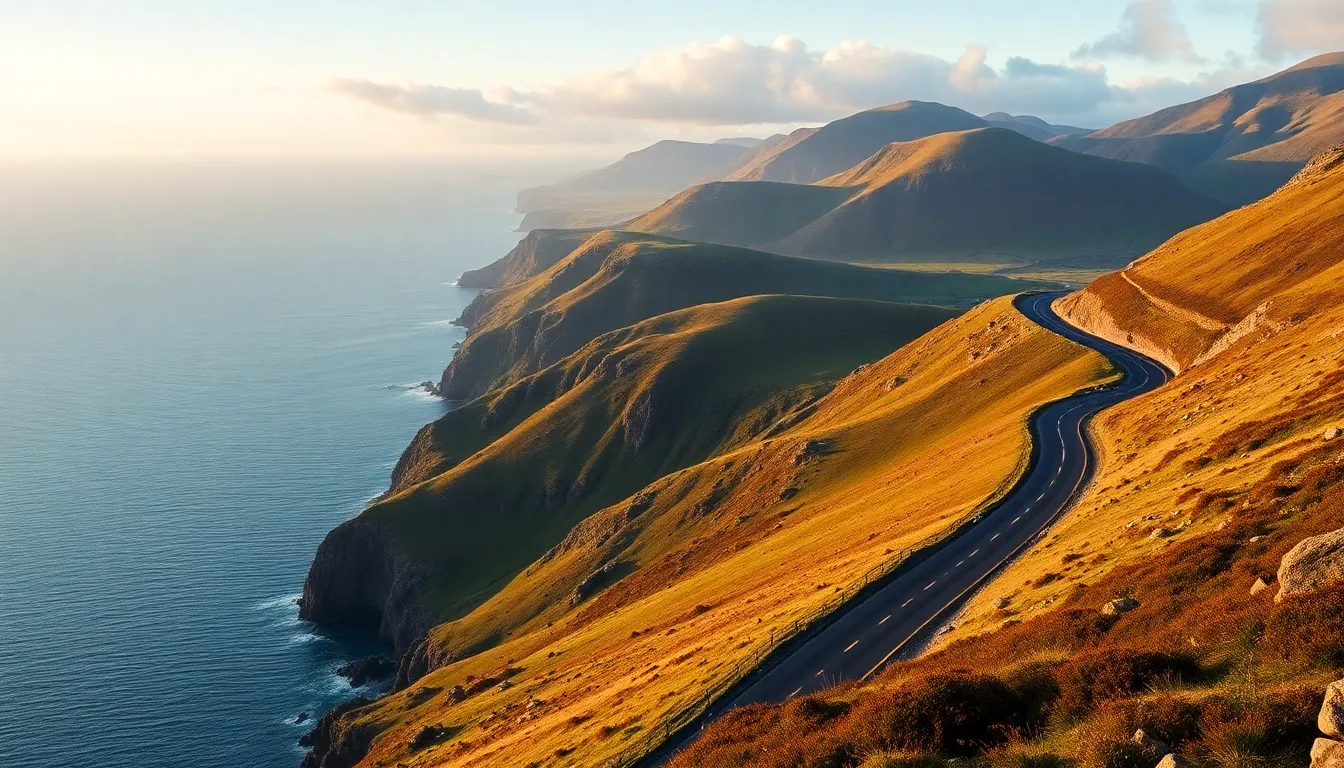
The Coast Where Scotland and Ireland Meet
On a clear day, standing on the Antrim coast, you can see Scotland across the water. It is closer than most people expect, a short stretch of sea, and that nearness explains almost everything about this region. For centuries people crossed back and forth, and in the seventeenth century thousands of Scottish Presbyterian families made the crossing and settled here for good. They brought their faith with them, and they shaped a culture, the Ulster-Scots, that still marks this coast today.
I have led groups along the Glens of Antrim and the dramatic coast road for many years, and it is one of my favorite stretches anywhere. It joins two things that rarely sit together so well: some of the most beautiful coastal scenery in the British Isles and a distinct, often overlooked chapter of Reformation faith. This guide is meant to orient you before you plan a trip here.
Why Antrim Matters
The story of County Antrim is, at its heart, the story of the Ulster-Scots. In the early seventeenth century, during the settlement of Ulster, large numbers of Lowland Scots, mostly Presbyterian, crossed the narrow sea and settled across the north of Ireland, with Antrim among the main landing grounds. They carried with them the faith of the Scottish Reformation, and over the generations they built a network of Presbyterian meeting houses and congregations that gave this part of Ireland its particular religious character.
For a heritage group, Antrim adds a layer to the Northern Ireland story that complements the older Patrick country to the south. Where Armagh and Down hold the Celtic Christian root, told in our guide to the Saint Patrick heritage region, Antrim holds the Reformation strand, the faith that crossed from Scotland. You can see how both fit the wider picture in our hub guide to United Kingdom heritage travel.
The Ulster-Scots Story
A Faith Carried Across the Sea
The Presbyterian faith the settlers brought was the same tradition forged in the Scottish Reformation under John Knox, a faith of plain meeting houses, strong preaching, and a deep seriousness about Scripture. You can trace the source of that tradition in our guide to Stirling and the heart of Reformation Scotland. In Ulster it took root and grew its own character, shaped by the new land and by the hardships the settlers faced.
For a group, the Ulster-Scots story is a chance to follow a strand of Reformation faith across borders, to see how a tradition forged in Scotland was carried, planted, and changed in a new place. It is living history of migration and faith, the kind that resonates with many congregations whose own families crossed oceans for similar reasons.
The Meeting Houses and the Glens
The marks of this heritage are scattered across the Antrim countryside: old Presbyterian meeting houses, plain and dignified, and the towns and villages the settlers built. Many sit in or near the Glens of Antrim, the nine green valleys that run down to the sea. The Glens are among the loveliest country in Ireland, and threading the heritage sites through that landscape gives a group both the history and the beauty in a single journey.
The Coast Itself
The Antrim coast is one of the great drives of the British Isles, and the scenery is part of the spiritual experience, not a distraction from it. The famous coast road runs beneath green headlands, past fishing villages and ruined castles, with the sea on one side and the glens climbing on the other. The region’s most renowned natural site draws visitors from around the world, and many groups build a stop along this coast into their itinerary simply for the lift it gives the spirit.
I treat the coast as part of the pilgrimage rather than a side trip. Some of the best conversations of a whole journey happen as a group winds along this road, with the water of the North Channel below and the hills of Scotland faint on the horizon. The landscape itself preaches.
Where Antrim Fits in a Northern Ireland Trip
Antrim works best as part of a fuller Northern Ireland journey rather than alone. Paired with the Patrick country of Armagh and Down to the south, it gives a group both the Celtic and the Reformation layers of the island’s faith story. Belfast sits at the natural hinge between the two, and the city holds its own remarkable Jewish heritage, covered in our Jewish heritage overview.
The closeness of Scotland is more than scenery, too. A short ferry crossing links this coast to the Scottish mainland, which is why many groups use Antrim as the bridge between Northern Ireland and the wider Celtic and Reformation trail in Scotland. Following the Ulster-Scots faith back across the water to its source makes for a journey with real shape.
Planning a Visit
Northern Ireland is compact, and the Antrim coast is straightforward to travel, though the coast road itself is winding and best taken slowly. A standard coach can manage it, but the road rewards an unhurried pace, with time for stops at the viewpoints and villages along the way. Belfast makes the natural base, within easy reach of both the coast and the Patrick country to the south, with strong hotel options.
I usually give the Antrim coast a full day, sometimes more if the group wants to linger in the Glens or take the coast road at a gentle pace. On timing, the comfortable window is the same as across these northern nations: May to September, with long daylight and the mildest weather. The coast is especially fine in early summer, when the glens are deep green and the light lasts late. The full seasonal picture is in our United Kingdom heritage hub.
What to Prepare Your Group For
This is a coastal, outdoor region, and the weather off the North Channel turns quickly. A genuinely waterproof jacket and comfortable shoes are essential, since some of the coastal sites and meeting house grounds involve uneven ground and a little walking. None of it is strenuous, but the exposed coast can be windy and wet even on a bright day.
As always, a little preparation deepens everything. A group that arrives understanding the Ulster-Scots story, the seventeenth-century crossing from Scotland, the Presbyterian faith they carried, and how it shaped this coast, gets far more from standing in an old meeting house or looking across the water toward Scotland. When people already carry the story, the landscape and the sites speak together.
FAQ: The Antrim Coast and Ulster-Scots Heritage
Who were the Ulster-Scots?
They were Lowland Scots, mostly Presbyterian, who crossed the narrow sea from Scotland and settled across the north of Ireland in the seventeenth century, with County Antrim among the main landing grounds. They carried the faith of the Scottish Reformation with them and built a network of Presbyterian congregations that gave this part of Ireland its distinct religious character.
How is Antrim different from the Patrick country to the south?
Armagh and Down hold the oldest layer, the Celtic Christian faith of Saint Patrick from the fifth century. Antrim holds a much later layer, the Reformation faith carried from Scotland in the seventeenth century. Together they give a group both the ancient and the Reformation strands of the island’s faith story, which is why many trips combine the two.
Is the Antrim coast worth the time for a faith group?
Yes, and not only for the scenery. The coast road and the Glens of Antrim are among the most beautiful in the British Isles, and that landscape becomes part of the spiritual experience rather than a distraction. Threading the Ulster-Scots heritage sites through that country gives a group both the history and the lift of the scenery in one journey.
How does Antrim connect to Scotland?
Closely. On a clear day you can see Scotland across the water, and a short ferry crossing links this coast to the Scottish mainland. Many groups use Antrim as the bridge between Northern Ireland and Scotland, following the Ulster-Scots faith back across the sea to its source in the Scottish Reformation.
Do group leaders really travel free?
Yes. On all Heritage Tours group itineraries, when your group includes 15 or more participants, the group leader travels free. It is how we honor the work that pastors, rabbis, and educators put into bringing their communities together.
If the Antrim coast and the Ulster-Scots story are calling to your community, I would love to talk through what the journey could look like. Begin with our United Kingdom heritage destination and our group heritage tours, then contact us whenever you are ready to start the conversation.