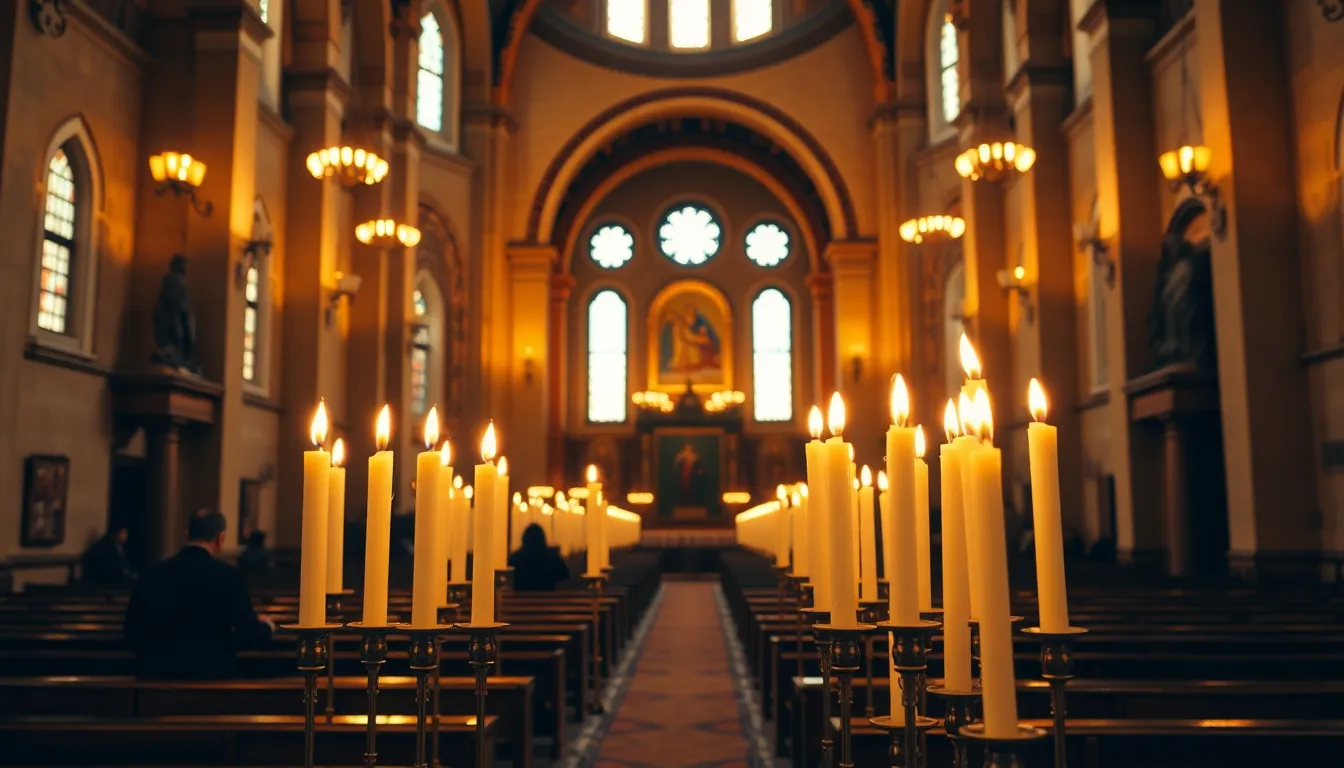
I have planned a lot of Jewish heritage trips, and the question I get most often about Turkey is not about which synagogue to see or which neighborhood to walk. It is about Shabbat. A rabbi will ask me, gently, “Can we actually keep Shabbat there? Or does the trip just stop for a day?” That question tells me the group is serious, and it is the right question to ask. A heritage journey through Turkey is not complete without a real Shabbat, and Istanbul is one of the more moving places in the world to keep one.
Here is the honest version of how to do it well.
Why Shabbat in Turkey Is Different
In most heritage destinations, you keep Shabbat with your own group. You bring your own service, your own rabbi leads, and the local Jewish presence is a memory rather than a living thing. Turkey is not like that. Istanbul still has an active community of roughly 15,000 Jews, with working synagogues that hold services every week. When your group keeps Shabbat in Istanbul, you are not performing a ritual in an empty room. You are stepping into a Friday night that has happened in this city, in some form, for more than five centuries.
That continuity is the heart of the experience. The families who pray at these synagogues are descended from the Sephardic exiles who arrived after Spain expelled them in 1492. The liturgy follows the Sephardic rite. For many groups, especially Ashkenazi congregations, hearing the prayers sung in that tradition, in a community that never left, is the moment the whole trip lands. If you want the longer history behind that community, our Jewish heritage in Turkey guide tells it in full.
Where to Keep Shabbat in Istanbul
The center of Jewish life in Istanbul is Neve Shalom in the Beyoglu district, the largest synagogue in the city. It is the natural anchor for a group Shabbat. Services follow the Sephardic rite, the sanctuary is spacious and bright, and the community is welcoming to visiting groups who arrange their visit properly.
That word “properly” matters more in Istanbul than almost anywhere else. Access to Neve Shalom and the other working synagogues requires advance coordination through the community’s security and administrative offices. This is not bureaucracy for its own sake. The community has lived through real attacks, and the careful entry procedures are how they keep their doors open. We handle this coordination as a standard part of every itinerary, and I tell groups plainly: this is one place you cannot simply walk in off the street on a Friday evening.
For groups that want their own service alongside the local one, we usually arrange a Friday night that combines both. Your group can attend or observe at a community synagogue, then gather for your own Shabbat dinner where your rabbi leads, your songs fill the room, and your people process what they just experienced. The two together, the living community and your own circle, is the pairing I recommend.
Shabbat in Izmir
Izmir, on the Aegean coast, is the other strong option, and it has a character all its own. This was once the most integrated Jewish community in the Ottoman Empire. At its height, so many of Izmir’s merchants were Jewish that the city’s commerce noticeably slowed on Shabbat. That history is written into the Kemeralti bazaar district, where a cluster of historic synagogues sits among the market streets.
A Shabbat in Izmir feels quieter and older than Istanbul. The community today is small, but the synagogue restorations in the bazaar have given the area new life, and standing in one of these spaces on a Friday evening connects you to a commercial Jewish world that shaped the whole eastern Mediterranean. Izmir also pairs naturally with the Aegean leg of a trip, and I cover that in our look at Jewish Bursa and the early Ottoman capital and the wider regional story.
The Practical Side: Food, Pacing, and the Day Itself
A meaningful Shabbat needs more than a synagogue. It needs the day to actually feel like Shabbat, and that takes planning.
Kosher food
Istanbul has kosher catering through the community, and we arrange Shabbat meals accordingly: Friday night dinner, Shabbat lunch, and a third meal if the group wants one. Tell us early if your group keeps strict kashrut, because the supervised options need to be booked ahead. For groups that are flexible, vegetarian and fish options widen the field considerably. I would rather over-plan the food than have a group spend Shabbat hungry.
Hotel and walking distance
The single most important logistical decision is the hotel. For a group keeping Shabbat fully, the hotel needs to be within comfortable walking distance of the synagogue. Istanbul is hilly, and “twenty minutes on the map” can mean a steep climb. We choose hotels for Shabbat-observant groups specifically for their proximity, so no one is choosing between their feet and their practice.
Building the day
I plan Shabbat as a genuine pause, not a gap. The touring stops Friday afternoon with enough margin to settle in before candle lighting. Saturday is for rest, prayer, study, and slow conversation. We resume touring only after Shabbat ends. Groups that try to sneak a “light” activity into Saturday almost always regret it, because the contrast between the quiet of Shabbat and the rhythm of a touring day is part of what makes the trip meaningful.
A Note on Dignity and the Community
When you keep Shabbat with the Istanbul community, you are a guest in a congregation that has held on through hard history. I ask every group to carry that awareness. Dress for synagogue, follow the lead of the community on customs that differ from yours, and let the security procedures happen without complaint. The warmth you receive in return is real, and it is earned by showing up as a respectful guest rather than a tour group passing through. That posture is the difference between visiting a synagogue and being welcomed into one.
Bringing It Into Your Itinerary
A good Turkey heritage trip is built around Shabbat, not around it. I usually place Shabbat in Istanbul, near the middle of the trip, so the group has already absorbed some of the history by the time Friday arrives, and so the rest of the journey carries the weight of that pause. For congregations combining Turkey with the broader Sephardic story, Shabbat becomes the emotional center of the whole arc. You can see how the regional pieces fit on our Turkey destination page.
One detail worth knowing as you plan: with Heritage Tours, the group leader travels free when you bring fifteen or more participants. For a rabbi building a congregational trip, that changes the budget in a real way, and it is worth factoring in from the start.
FAQ: Keeping Shabbat in Turkey
Can a group fully observe Shabbat in Istanbul? Yes. Istanbul has an active Jewish community with working synagogues, kosher catering through community channels, and hotels within walking distance of the main synagogues. With advance coordination, a group can keep Shabbat fully, from candle lighting through Havdalah, supported by a living congregation rather than alone.
Do we need to arrange synagogue access in advance? Always. Istanbul’s synagogues require advance coordination through the community’s administrative and security offices, and you cannot simply arrive on a Friday evening. We handle this for every group as a standard part of the itinerary, including the documentation the community requires.
Is kosher food available for a Shabbat trip? Yes, through the Istanbul community’s kosher catering. Strictly supervised meals need to be booked ahead, so tell us early if your group keeps strict kashrut. Vegetarian and fish options give flexible groups more room. We plan Friday dinner, Shabbat lunch, and a third meal as needed.
Should we keep Shabbat in Istanbul or Izmir? Most groups choose Istanbul because it has the largest active community and the most synagogue options, which makes a full Shabbat easier to arrange. Izmir offers a quieter, more historic feel rooted in its Ottoman merchant past. If your itinerary spends time on the Aegean coast, an Izmir Shabbat can be the right fit.
How does Shabbat affect the rest of the touring schedule? We plan Shabbat as a genuine pause. Touring stops Friday afternoon with margin before candle lighting and resumes only after Shabbat ends Saturday night. We build the surrounding days so the group never feels rushed into or out of Shabbat, because that pause is part of what makes the journey meaningful.
If you want your congregation to keep a real Shabbat in the city where the Sephardic exiles rebuilt their lives, I would be glad to plan it with you. You can see how the group experience works on our group heritage tours page, and reach me directly whenever you are ready.
Contact us to start shaping the trip.