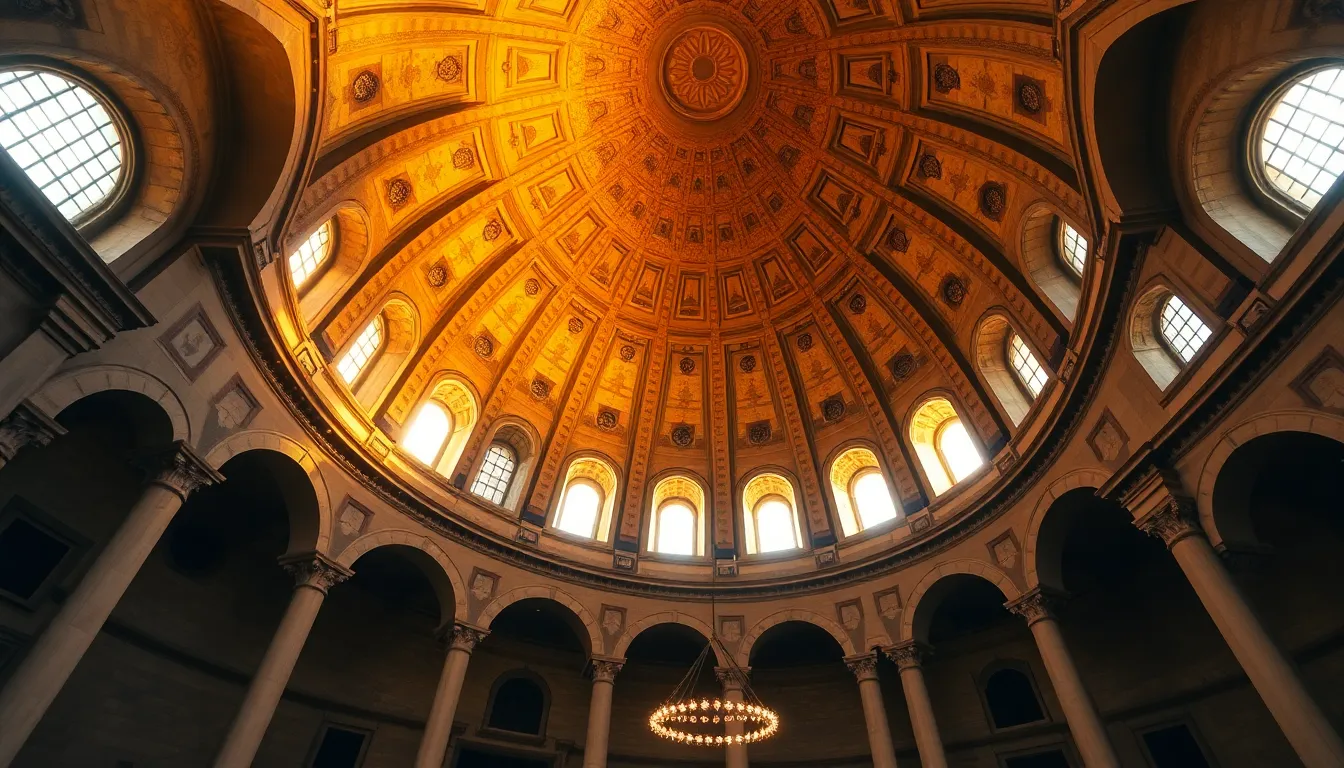
The first time I walked a group into the Great Synagogue of Edirne, nobody spoke for a long moment. We had come from Istanbul that morning, a few hours northwest, almost to the Greek and Bulgarian borders. The building was built for a community of thousands. On the day we visited, it was just us. That gap, between the scale of the room and the silence inside it, is the whole story of Edirne, and it is one of the most affecting stops I know in Turkey.
Most groups have never heard of Edirne. That is exactly why I want to tell you about it.
A City That Once Welcomed the Exiles
Edirne, known in earlier centuries as Adrianople, was briefly the Ottoman capital before Constantinople fell, and it remained an important city for centuries. When Spain expelled its Jews in 1492 and Sultan Bayezid II opened Ottoman lands to them, Edirne became one of the cities where Sephardic families settled and flourished. The fuller version of that welcome is in our Jewish heritage in Turkey guide, but Edirne is one of its clearest chapters.
For four centuries the community grew. By the late nineteenth century, Edirne held a substantial Jewish population with multiple synagogues, schools, and a rich communal life. Then, in 1905, a fire tore through the Jewish quarter and destroyed thirteen of the city’s synagogues at once. The community decided not to rebuild thirteen smaller houses of worship. Instead, they would build one great synagogue to serve them all.
Building the Great Synagogue
The Great Synagogue of Edirne, completed in 1909, was the answer to that fire. Designed by the French architect France Depre and inspired by the Leopoldstadter Tempel in Vienna, it was built on a scale that announced the community’s confidence. When it opened, it was the largest synagogue in the Ottoman Empire and among the largest in all of Europe, with seating for well over a thousand worshippers beneath a soaring dome.
Think about what that building meant. A community that had been welcomed as refugees four centuries earlier had become secure and rooted enough to raise one of the grandest synagogues on the continent. The Great Synagogue was not just a place to pray. It was a statement that the Jews of Edirne belonged.
Decline and Collapse
The twentieth century was unkind to Edirne’s Jews, as it was to so many communities. Emigration, economic hardship, the pressures of two world wars, and the pull of Istanbul and later Israel slowly emptied the community. By the 1980s, regular services had ceased. The last resident rabbi had gone. The Great Synagogue, built for thousands, had no congregation left to fill it.
The building paid the price of that emptiness. The roof failed. The dome collapsed inward. For decades the synagogue stood open to rain and snow, its grand interior exposed and crumbling, a ruin in the heart of a city that had largely forgotten the community it once served. I have seen photographs from those years, and they are hard to look at. A great house of worship reduced to broken walls and sky.
I want to be careful here, because this is a loss, and it deserves to be named as one. A living community of thousands became a memory, and its grandest monument nearly went with it. That is the truth of what happened in Edirne.
The Restoration
What happened next is the reason I bring groups here. Beginning in the 1990s and gathering real momentum over the following years, a restoration took shape, led by Turkey’s General Directorate of Foundations in cooperation with the Jewish community. The work was painstaking and took the better part of two decades. The dome was rebuilt. The interior was repainted in its original palette. The ark was preserved. Craftsmen worked from old photographs and surviving fragments to bring the room back to what it had been.
In March 2015, the Great Synagogue of Edirne reopened. A service was held in the restored sanctuary, the first in decades. For a building that had stood as a ruin, it was a genuine resurrection.
What It Feels Like to Visit With a Group
Edirne is not a tourist destination, and that is its gift. On most days your group will have the synagogue almost entirely to yourselves. There is no crowd, no queue, no gift shop pressing in. There is just the restored room, the light through the high windows, and the scale of a space built for a community that is no longer there.
I have found that this quiet does something specific to a group. In a busy site you are managing crowds and noise. In Edirne you are left alone with the meaning of the place. People sit. They read. Some pray. The contrast between the grandeur of the building and the smallness of the present-day community makes the lesson of Sephardic history land without anyone having to explain it.
For a rabbi, Edirne is a teaching opportunity that needs almost no setup. The building speaks. What it asks of you is to give your group the time and the silence to hear it. I usually plan Edirne as a half-day from Istanbul, with the drive itself part of the experience, since the route runs through the Thrace countryside toward the European edge of Turkey. It pairs well with the wider northern story, and groups often connect it to the early Ottoman heritage we cover in Jewish Bursa.
Practical Notes for Planning
Edirne sits about a three-hour drive from Istanbul, near the borders with Greece and Bulgaria. A visit works best as a dedicated day trip rather than a rushed add-on. Access to the synagogue should be arranged in advance through the appropriate channels, which we handle as part of the itinerary. The building is on the level and manageable for most group members, including older travelers, with the main consideration being the drive there and back.
Because Edirne is off the standard tourist track, it rewards groups who want depth over checklist sightseeing. If your congregation is the kind that values quiet, study, and the full weight of Sephardic history, this is a stop I push hard for. You can see how it fits a wider plan on our Turkey destination page.
One thing worth knowing as you build the trip: with Heritage Tours, the group leader travels free when you bring fifteen or more participants. For a pastor or rabbi planning a congregational journey, that is real money back in the budget.
FAQ: Visiting the Edirne Synagogue
Why is the Great Synagogue of Edirne significant? When it opened in 1909, it was the largest synagogue in the Ottoman Empire and among the largest in Europe, built to seat well over a thousand worshippers. It replaced thirteen synagogues destroyed in a 1905 fire and stood as a symbol of how rooted and confident Edirne’s Sephardic community had become four centuries after arriving as exiles from Spain.
Was the synagogue ever abandoned? Yes. As the Jewish community emptied through the twentieth century, regular services ceased by the 1980s. The roof and dome eventually collapsed, and the building stood as a ruin for decades, open to the weather. A major restoration led by Turkey’s General Directorate of Foundations brought it back, and it reopened in March 2015.
Can groups visit the Edirne synagogue today? Yes, with advance arrangement. Edirne is not a busy tourist site, so groups often have the restored synagogue largely to themselves, which makes it one of the quietest and most moving Jewish heritage stops in Turkey. We coordinate access as part of the itinerary.
How far is Edirne from Istanbul? About a three-hour drive northwest, near the Greek and Bulgarian borders. It works best as a dedicated day trip rather than a rushed add-on, with the drive through the Thrace countryside part of the experience.
Is the visit suitable for older travelers? Yes. The synagogue is on the level and easy to move through, so the main consideration is the drive to and from Istanbul. We build the day with comfortable pacing so the journey itself does not wear the group out.
If a quiet morning in a great restored synagogue, far from the crowds, sounds like the kind of moment your congregation is looking for, I would be glad to plan it. You can learn how the group experience works on our group heritage tours page.
Contact us whenever you are ready to begin.