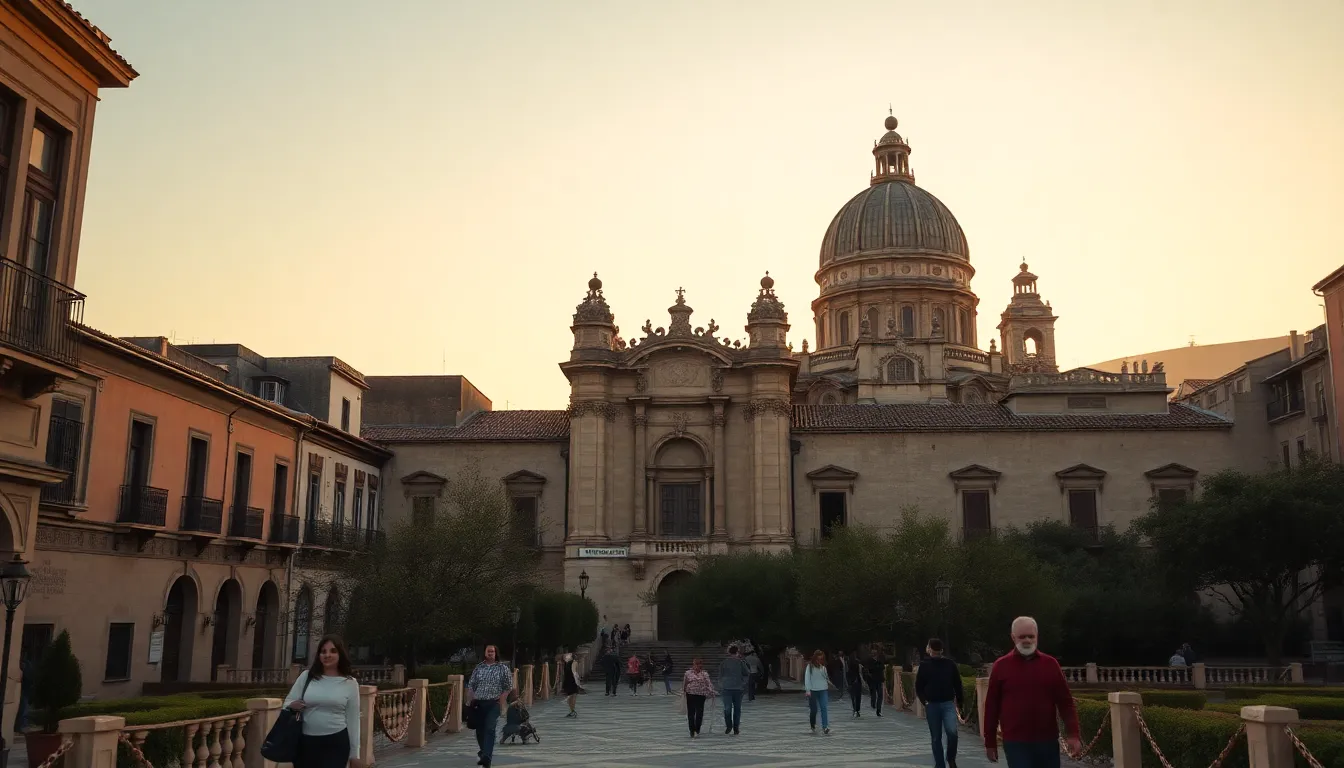
I once watched a wonderful congregant get turned away at the door of a cathedral in Seville because her shoulders were bare. It was August, she was hot, and the dress code felt unfair to her in that moment. But the rule is the rule at active places of worship, and she missed a site she’d traveled across an ocean to see. A small scarf in her bag would have solved it in ten seconds.
That’s what packing for a heritage trip really is: not a fashion question, but an access question. The right items get you into the sites and keep you comfortable on cobblestones in the heat. The wrong packing leaves you standing outside. Let me give you the list I send every group, organized around the three things that actually matter in Spain: modesty for sacred sites, the climate by season, and your feet.
Modesty: Dressing to Get Into Active Sacred Sites
Many of Spain’s heritage sites are working places of worship, not museums. Cathedrals, active churches, and certain chapels enforce a dress code, and they will turn travelers away who don’t meet it. This applies to everyone, and it surprises American travelers who don’t expect it.
The standard at active Catholic sites in Spain is straightforward:
- Shoulders covered. No tank tops, no spaghetti straps, no bare shoulders for men or women.
- Knees covered. No short shorts, no very short skirts. Knee-length or longer is the safe standard.
- Nothing see-through or beachwear. Cover-ups over swimwear don’t count.
The single best packing solution is a lightweight scarf or pashmina that every traveler keeps in their day bag. It weighs nothing, it covers shoulders instantly at a church door, and in summer it doubles as sun protection. I tell every group member, especially in hot months when the instinct is to dress for the heat, to carry one at all times. It’s the difference between walking into the Mezquita and waiting outside.
For Jewish heritage sites, the active synagogues in Madrid and Barcelona will expect men to cover their heads, so a kippah should be in the bag. Toledo and Cordoba’s historic synagogues are museums now, with no such requirement, but modest dress is always the respectful default at a heritage site of any faith.
A practical note for group leaders: put the dress code in your pre-trip communication in plain language. Travelers who learn it on the trip are mildly annoyed. Travelers who learn it at a closed cathedral door are heartbroken.
Packing for the Climate, Season by Season
Spain’s climate varies sharply by region and season, and Andalusia in summer is a different planet from Barcelona in November. Pack for your actual dates.
Spring (April–May) and Fall (September–October)
This is the sweet spot for heritage travel and the easiest to pack for. Days are warm, evenings cool. Layers are the answer: short sleeves for the day, a light sweater or jacket for the evening, and a compact rain layer because spring showers happen. A scarf covers both modesty and a cool morning at an outdoor site.
Summer (June–August)
The challenge is staying cool while staying covered for sacred sites. The solution is lightweight, breathable, long-cut clothing in light colors. Loose linen and cotton that cover shoulders and knees keep you cooler than tight synthetic fabrics and get you into churches at the same time. Add a wide-brimmed hat, strong sunglasses, high-SPF sunscreen, and a refillable water bottle. In Cordoba, Seville, and Granada, where summer temperatures regularly hit 42 to 45 degrees Celsius, this isn’t comfort, it’s safety, especially for older travelers.
Winter (November–February)
Mild but real. Days in Andalusia are cool and pleasant; Madrid and the north get genuinely cold, and stone churches and synagogues hold the chill inside. Pack a warm layer, a proper jacket, and an umbrella. Mornings can be brisk even in the south.
Footwear: The Single Most Important Thing You Pack
I’ll be as direct as I am about the heat. Your shoes will make or break this trip. Spain’s heritage cities are medieval, paved with cobblestones worn smooth over centuries, often steep, frequently slick after rain, and short on handrails. Toledo’s climb to the synagogues is the hardest. The Alhambra means two to three hours of walking. This is not a place for new shoes or fashion shoes.
What works:
- One pair of broken-in, cushioned walking shoes with good grip. Broken in, not new. Blisters on day two ruin a trip.
- A second comfortable pair so you can rotate and let the first dry out.
- Closed-toe and stable. Skip flimsy sandals and anything with a slick sole for the walking days.
For any traveler with knee, hip, or balance concerns, a collapsible trekking pole is one of the most useful things in the bag. It travels flat in a suitcase and provides real stability on the steep, uneven streets. More congregants benefit from one than expect to.
The Rest of the Bag: A Quick Checklist
- Medications in original labeled containers, packed in your carry-on, with a few extra days’ supply and a doctor’s note for anything unusual
- A small day bag worn in front, zipped, which doubles as your anti-pickpocket carry in crowds
- A universal EU plug adapter (Spain uses the two-round-pin Type F outlet, 230 volts) and a portable charger
- Copies of your passport and travel insurance, paper and on your phone
- A refillable water bottle, useful year-round and essential in summer
- A light, packable rain layer in any season
- A modest swimsuit and cover-up if your hotel has a pool for the rest afternoons
Pack light. You’ll be changing hotels several times, handling your own bag between coach and lobby, and a heavy suitcase on a cobblestoned street is its own small misery. One checked bag and a carry-on is plenty for two weeks.
FAQ: Packing for a Spain Heritage Tour
What’s the dress code for churches and sacred sites in Spain?
Active Catholic sites in Spain require covered shoulders and covered knees, and they will turn travelers away who don’t comply. No tank tops, no short shorts, nothing see-through or beachwear. The best solution is a lightweight scarf in every traveler’s day bag, which covers shoulders instantly and doubles as sun protection. At active synagogues in Madrid and Barcelona, men should carry a kippah.
What shoes should I pack for Spain’s heritage cities?
Broken-in, cushioned walking shoes with good grip, and bring a second comfortable pair to rotate. The streets are medieval cobblestone, often steep and slick after rain, with few handrails, so stability matters more than style. Skip new shoes and flimsy sandals for the walking days. Travelers with any knee, hip, or balance concerns should pack a collapsible trekking pole.
How should I pack for summer heat while still covering up for churches?
Choose lightweight, breathable, light-colored clothing in a loose cut that covers shoulders and knees, like linen and cotton. This keeps you cooler than tight synthetic fabric and gets you into sacred sites at the same time. Add a wide-brimmed hat, sunglasses, high-SPF sunscreen, and a refillable water bottle. In Andalusia’s summer heat this is a safety measure, not just comfort, particularly for older travelers.
Do I need a power adapter for Spain?
Yes. Spain uses the European two-round-pin outlet (Type F) at 230 volts, so US travelers need a plug adapter. Most modern phone and laptop chargers handle 230 volts automatically, but check the label on anything with a heating element, like a hair tool, since those can fail or be unsafe on European current. A portable charger is worth carrying for long site days.
How much luggage should each traveler bring?
One checked bag and a carry-on is plenty for a trip of up to two weeks. Groups change hotels several times and travelers handle their own bags between the coach and the lobby, so a lighter suitcase is a genuine kindness to yourself on cobblestoned streets. Keep medications, document copies, and one change of clothes in the carry-on in case a checked bag is delayed.
Packing well is really about access and comfort, and getting it right means nobody stands outside a cathedral or limps through Toledo in the wrong shoes. I’m glad to send your group a tailored packing list for your exact season and itinerary. Read the practical planning guide, check the entry and documents guide, and review our safety briefing before you go. Learn more on our Spain destination page or contact us with any questions.