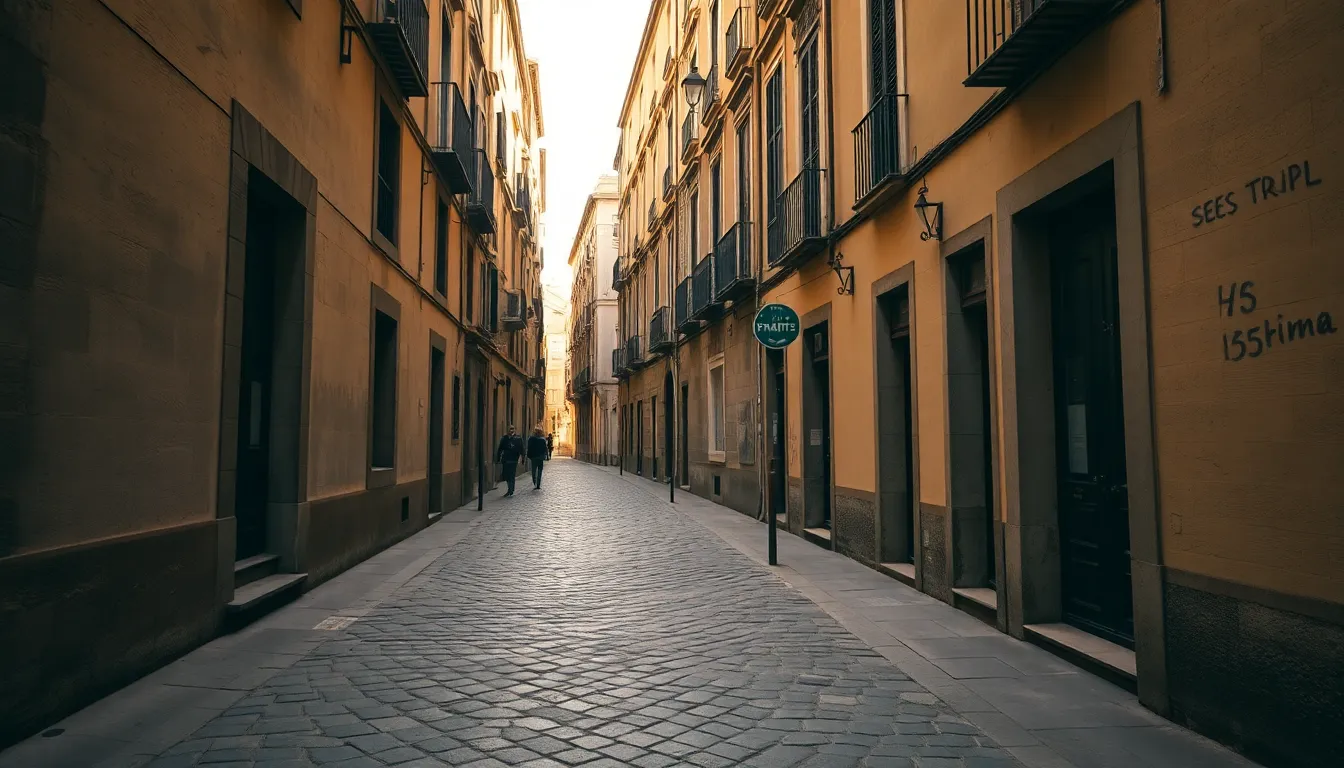
The question I get most often from group leaders, after timing and cost, is some version of this: “We have a few people who can’t walk far, or who use a cane, or who get winded on stairs. Can they really do this trip?” My answer is almost always yes, but only if we are honest about the terrain before we book, not after. Spain’s heritage sites are old. Many of them were built on hilltops, behind walls, up flights of stone steps, on streets paved with cobbles that have not changed in five hundred years. Pretending otherwise helps no one.
So this is the honest, site-by-site guide I wish more group leaders had before they planned. The goal is simple: no one in your community gets left sitting on a bus while everyone else has the experience. For the broader logistics picture, our practical tips for Spain heritage travel guide covers the rest of the planning. This one focuses entirely on mobility.
The Honest Starting Point: Spain’s Old Cities Were Not Built for Wheels
Here is the reality, stated plainly. The medieval quarters that make a Spain heritage tour meaningful, the Jewish quarters of Toledo, Cordoba, and Girona, the cathedral districts, the fortress towns, are full of cobblestones, narrow lanes, steps, and steep grades. These are not accessibility failures to be fixed. They are the sites themselves, protected and largely unchanged.
That does not mean a traveler with limited mobility cannot go. It means the itinerary has to be designed around real terrain, with honest information about each stop, sensible pacing, and contingency plans for anyone who needs to sit out a particular climb without missing the heart of the trip. The difference between a frustrating trip and a great one is whether that planning happened before you booked.
Cobblestones: The Constant You Plan For
Cobblestones are the single most underestimated obstacle in Spain. They are everywhere in the old quarters, and they are uneven, sometimes wet, often on a slope.
For someone with a cane or unsteady balance, cobbles demand attention and slow the pace, which is fine as long as the itinerary allows for it. For a standard wheelchair or a non-powered chair pushed by a companion, cobbles are genuinely hard work and rough riding. The practical advice I give: bring sturdy, closed, well-cushioned shoes with real grip, not sandals. Anyone using a chair should consider larger wheels and a strong pusher, and should know which stretches will be bumpy in advance. A rollator with small hard wheels struggles on cobbles, so a different walking aid is often better for the trip.
The fix at the itinerary level is pacing. We build in time so the cobblestone stretches are walked slowly, with rest points, rather than rushed.
Site by Site: What to Actually Expect
Every site is different, and the differences matter. Here is the candid rundown of the ones groups ask about most.
The Alhambra, Granada
The Alhambra is large, spread across a hilltop, and involves significant walking over uneven ground and some steps between sections. The Nasrid Palaces have steps and changes of level. That said, the site has made real accessibility provisions, including an adapted route that avoids the worst stairs and reaches the major palaces and the Generalife gardens, plus accessible parking and restrooms. A traveler with limited stamina can experience the core of the Alhambra using the adapted route and a wheelchair, but it requires advance arrangement and a guide who knows the route. We arrange this as part of the booking.
Toledo
Toledo is the hardest city in a typical itinerary for limited mobility. It sits on a hill, the streets are steep and heavily cobbled, and the climb from the lower town can be demanding. There are escalators and lifts in parts of the city that help with the worst grades, and a guide who knows them can route around a great deal of the climbing. Even so, Toledo asks the most of travelers, and we plan its day with the most rest and the most flexibility, including options to skip the steepest stretches.
Cordoba
Cordoba is the friendliest of the major heritage cities for limited mobility. The Mezquita-Catedral, the centerpiece, is largely flat inside with level access, which makes it manageable for wheelchairs and slow walkers. The Jewish quarter has narrow lanes and cobbles but is relatively flat compared to Toledo. Cordoba is often the site where a traveler who sits out a tougher climb elsewhere has a full, unhurried experience.
Girona
Girona’s Jewish quarter, the Call, is one of the best preserved in Europe, and it is built on a slope with stepped lanes. The most atmospheric parts involve stairs. The cathedral is famously approached by a long flight of steps, though there is an alternative level entrance that a guide can route to. Girona rewards planning: with the right route, much of it is doable, but the stepped lanes are real and some corners are not reachable without stairs.
Cathedrals Generally
Spain’s great cathedrals, Seville, Toledo, Burgos, Santiago, are mostly flat and spacious inside once you are through the door, which is good news. The challenges are the approach, often up steps, and any towers or upper levels, which are climbs to skip. The main worship and heritage spaces are generally accessible at ground level, and most major cathedrals have a step-free entrance even when the grand front door does not offer one.
Building an Itinerary That Leaves No One Behind
The real work is not at any single site. It is in how the days fit together.
A well-designed accessible itinerary spreads the demanding sites out so there is never two tough days back to back. It pairs a hard morning with an easy afternoon. It identifies, for every climb, what a traveler who sits it out does instead, so no one is parked on a coach alone. It chooses hotels with elevators and step-free entrances and confirms it in writing, because “accessible” means different things at different properties. And it sets the pace to the group’s slowest comfortable walker, not the fastest.
This is also a conversation, not a form. Before we finalize anything, I want to know the specifics. Does the traveler walk with a cane, a rollator, or a wheelchair? Can they manage a few steps with a rail, or none at all? How far can they walk on level ground before needing to rest? Those answers change the itinerary, and getting them early is what makes the trip work.
Practical Things That Make a Difference
A few details that consistently improve accessible trips. Coaches with low floors or a lift, arranged in advance, make daily transfers far easier than standard high coaches. Hotels chosen for location, close enough to the sites to cut the walking distance, save more energy than any single accommodation feature. And a guide briefed on the group’s mobility needs, who knows the lifts, the escalators, the step-free entrances, and the rest points, is worth more than any printed map.
Group leaders travel free with fifteen or more participants, and that group structure is part of what makes accessible travel work, because it funds the dedicated coach and the local support that an individual traveler would struggle to arrange alone. You can see how we structure these journeys on our Spain destination page and our group heritage tours page.
FAQ: Accessibility on Spain Heritage Tours
Can someone in a wheelchair do a Spain heritage tour?
Yes, with an itinerary designed for it. Many heritage sites have step-free routes and accessible entrances, including an adapted route at the Alhambra and level access inside Cordoba’s Mezquita and most major cathedrals. The cobblestone old quarters are the main challenge and require a strong companion and the right wheels. The key is honest planning before booking, with a clear picture of each traveler’s needs.
Which Spanish heritage city is hardest for limited mobility?
Toledo. It sits on a steep hill with heavily cobbled streets and a demanding climb from the lower town. Escalators and lifts in parts of the city help, and a knowledgeable guide can route around much of the worst grade, but Toledo asks the most of travelers. We plan its day with the most rest and the most flexibility.
Which heritage city is easiest?
Cordoba. The Mezquita-Catedral is largely flat with level access, and the Jewish quarter, while cobbled, is relatively flat compared to Toledo or Girona. Cordoba is often where a traveler who sits out a tougher climb elsewhere gets a full, unhurried experience.
How should travelers with limited mobility prepare for cobblestones?
Bring sturdy, closed, well-cushioned shoes with real grip, not sandals. Anyone using a wheelchair should consider larger wheels and arrange a strong companion to push, since cobbles are rough riding. A rollator with small hard wheels struggles on cobbles, so a different walking aid is often better. At the itinerary level, the fix is slower pacing with built-in rest points.
What do you need to know to plan an accessible trip?
The specifics for each traveler: whether they walk with a cane, rollator, or wheelchair, whether they can manage a few steps with a rail, and how far they can walk on level ground before resting. Those answers shape the itinerary, the choice of hotels, and the type of coach. Getting them early is what lets us build a trip where no one gets left behind.
If you have travelers in your community whose mobility you are worried about, that worry is exactly the conversation to start with, not the one to avoid. Tell me the specifics and I will tell you honestly what is doable and how we would build the days around it. Contact us and we will plan a trip that includes everyone.