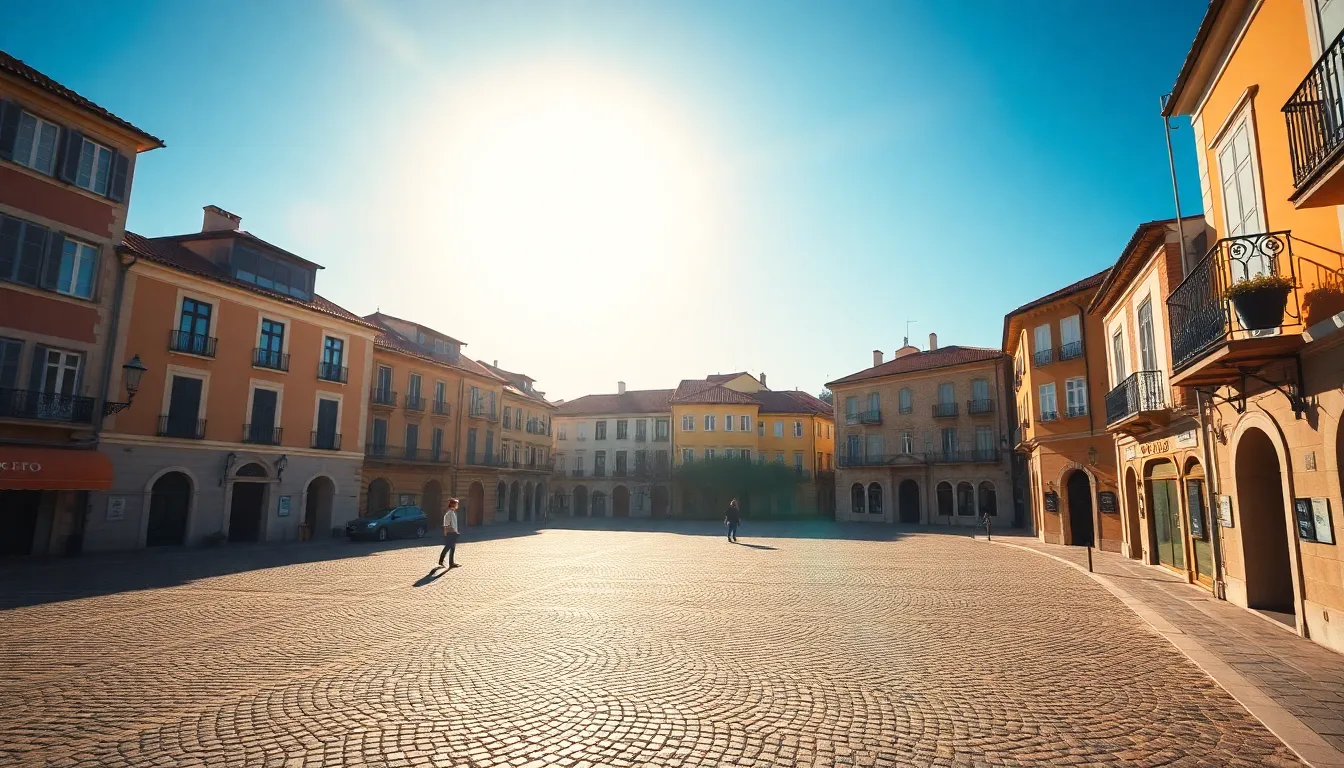
Most of the group leaders who ask me about summer are not asking because summer is their first choice. They are asking because summer is the only window their congregation has. School is out. Families are free. The calendar finally opens. And so the real question is rarely “is summer the best time?” It is “if summer is what we have, can we make it work?”
The honest answer is yes, with conditions. Summer in Portugal is not one experience, and the difference between the coast and the interior in July is the difference between a comfortable trip and a genuinely hard one. This article is about understanding that difference and planning around it. If you are still comparing seasons, our best time to visit Portugal guide lays out the full year. What follows is for the group that has landed on June, July, or August and needs it to go well.
The One Distinction That Changes Everything
Here is what most Portugal guides do not say clearly enough: summer in Portugal is two different climates depending on where you stand.
Lisbon and Porto stay warm but manageable through the summer, typically high 70s to mid-80s Fahrenheit, with ocean breezes that take the edge off. The cities are busy with tourists, but the heritage sites stay accessible, and a group can move through them comfortably with a little planning around the hottest hours.
The interior is another story entirely. Belmonte, Tomar, Castelo de Vide, Trancoso, the Alentejo villages. These inland heritage towns, the ones at the heart of Portugal’s Jewish story, can reach 40 degrees Celsius in July and August, which is over 100 Fahrenheit. That is not a minor inconvenience to push through. Walking a mixed-age group, and most heritage groups include older members, through cobblestone streets and medieval quarters in that heat is physically taxing and, frankly, a little risky for anyone with health considerations.
So when I plan a summer trip, the very first thing I do is map where the heat will be and build the whole rhythm of the days around it.
June: The Forgiving Edge of Summer
If your group must travel in summer, June is the month I push for.
Early June still carries spring’s gentleness in much of the country. The interior has warmed but has not yet hit the July and August extremes. The coast is lovely. The long days give you room to start early and still have plenty of light. Crowds are climbing toward the peak but have not fully arrived. For a summer trip, June is the forgiving edge, and a June itinerary that includes interior sites is far more comfortable than the same itinerary in late July.
I treat the back half of June as the cutoff for easy interior travel. Past that, into July, the planning has to get more deliberate.
July and August: Possible, With Real Planning
I am not going to be vague about July and August. In the interior, they are hot enough that I would steer most groups away from inland sites in the heat of the day. But “steer away from the heat of the day” is not the same as “skip the interior.” There is a way to do it.
The technique is simple and it works: front-load the day. We visit the interior heritage sites in the early morning, when the air is still cool and the light is soft and the streets are empty. Belmonte at eight in the morning in July is a genuinely beautiful, comfortable place. Then we reserve the afternoons, when the heat peaks, for air-conditioned museums, long meals, rest at the hotel, and indoor sites. We let the day’s hardest hours pass somewhere cool.
This requires more careful planning than a fall trip, and it asks a little more of your group in terms of early starts. But it is entirely possible, and done right, it preserves the heart of the heritage itinerary without putting anyone at risk in the heat.
If your group’s itinerary leans toward Lisbon, Porto, and Fatima rather than the deep interior, summer gets easier still. The coastal cities handle the heat far better, and those sites stay comfortable with sensible scheduling.
Managing the Crowds
Heat is the first summer challenge. Crowds are the second.
Summer is Portugal’s peak tourist season, and the major sites in Lisbon, Porto, and at Fatima draw real volume in July and August. This is manageable, but it requires a guide who knows the rhythm of each site, when to arrive, when to step away, which entrance moves faster. We time the popular sites for early morning or late afternoon, when the day-trip crowds thin, and we keep the group moving together rather than letting it scatter into the press of people.
The interior, by contrast, is quiet even in summer. The crowds chase the coast and the cities. So one quiet upside of a summer interior visit, done in the cool morning hours, is that you often have those towns almost to yourselves.
Faith Calendar Notes for Summer
Summer sits outside the major pilgrimage and holiday dates, which has both an upside and something to plan around.
For Christian groups, the big Fatima pilgrimages fall in May and October, so a summer visit to the sanctuary means a quieter, everyday Fatima rather than a pilgrimage-scale gathering. That is not a lesser experience. Many groups prefer the calm of an ordinary day on the sanctuary grounds, with space to pray and reflect without the May crowds. The 13th of each month from May through October does carry a smaller pilgrimage, so a mid-month summer visit can land on one of those if your group wants a taste of that energy.
For Jewish groups, summer is largely clear of the major holidays, which means scheduling flexibility. We still build Shabbat observance into every itinerary, with Friday and Saturday planned around services, meals, and rest, and active synagogues in Lisbon and Porto where your group can join services. Dietary needs are woven in from the start.
Making the Summer Trip Work
A good summer itinerary in Portugal is built around the heat, not in spite of it. Early mornings for the interior. Cool afternoons for rest and indoor sites. Smart timing at the crowded coastal landmarks. A guide who reads the day and adjusts. Done this way, a summer heritage trip can be deeply rewarding, even if it asks a bit more of everyone than the fall would.
If your group has any flexibility at all, I will gently point you toward our fall travel guide, because September and October give you the same sites in far kinder weather. And if you are weighing the front end of the year, our spring travel guide covers March through May and the May Fatima pilgrimage. But if summer is your window, it is workable, and we know how to build it. You can see how we structure these journeys on our Portugal destination page and our group heritage tours page.
FAQ: Portugal Heritage Travel in Summer
Is Portugal too hot for a heritage trip in summer?
The coast and major cities like Lisbon and Porto stay manageable, with summer temperatures in the high 70s to mid-80s Fahrenheit and ocean breezes that help. The interior is the concern. Inland heritage towns like Belmonte and Tomar can pass 100 Fahrenheit in July and August. For groups visiting interior sites, especially with older members, summer requires careful planning around early mornings and afternoon rest.
Which summer month is best for a Portugal heritage group?
June is the most forgiving. Early June still carries spring’s gentleness, the interior has not yet hit the July and August extremes, and the days are long. The back half of June is roughly the cutoff for easy interior travel. Into July and August, interior visits need to be front-loaded into the cool morning hours.
Can we still visit interior sites like Belmonte and Tomar in July?
Yes, with the right rhythm. We visit interior heritage sites in the early morning, when the air is cool and the streets are empty, then reserve the hot afternoons for air-conditioned museums, meals, and rest. It asks for earlier starts and more deliberate planning, but it preserves the heart of the itinerary without putting anyone at risk in the heat.
How crowded is Portugal in summer?
Summer is the peak tourist season, and the major sites in Lisbon, Porto, and at Fatima draw real volume in July and August. This is manageable with a guide who times each site well, arriving early or late to dodge the day-trip crowds. The interior, by contrast, stays quiet even in summer, so a cool-morning visit inland often feels almost private.
What is Fatima like in summer?
Quieter than the May and October pilgrimages. A summer visit means an everyday Fatima, with space to pray and reflect without pilgrimage-scale crowds. Many groups prefer that calm. The 13th of each month from May through October carries a smaller pilgrimage, so a mid-month summer visit can catch some of that energy if your group wants it.
If summer is the only window your community has, do not let that discourage you. Plenty of meaningful trips happen in July and August. They just need a leader who plans around the heat instead of pretending it is not there, and that is exactly the kind of itinerary we are glad to build with you.
Contact us and we will map out a summer trip that works for your group.