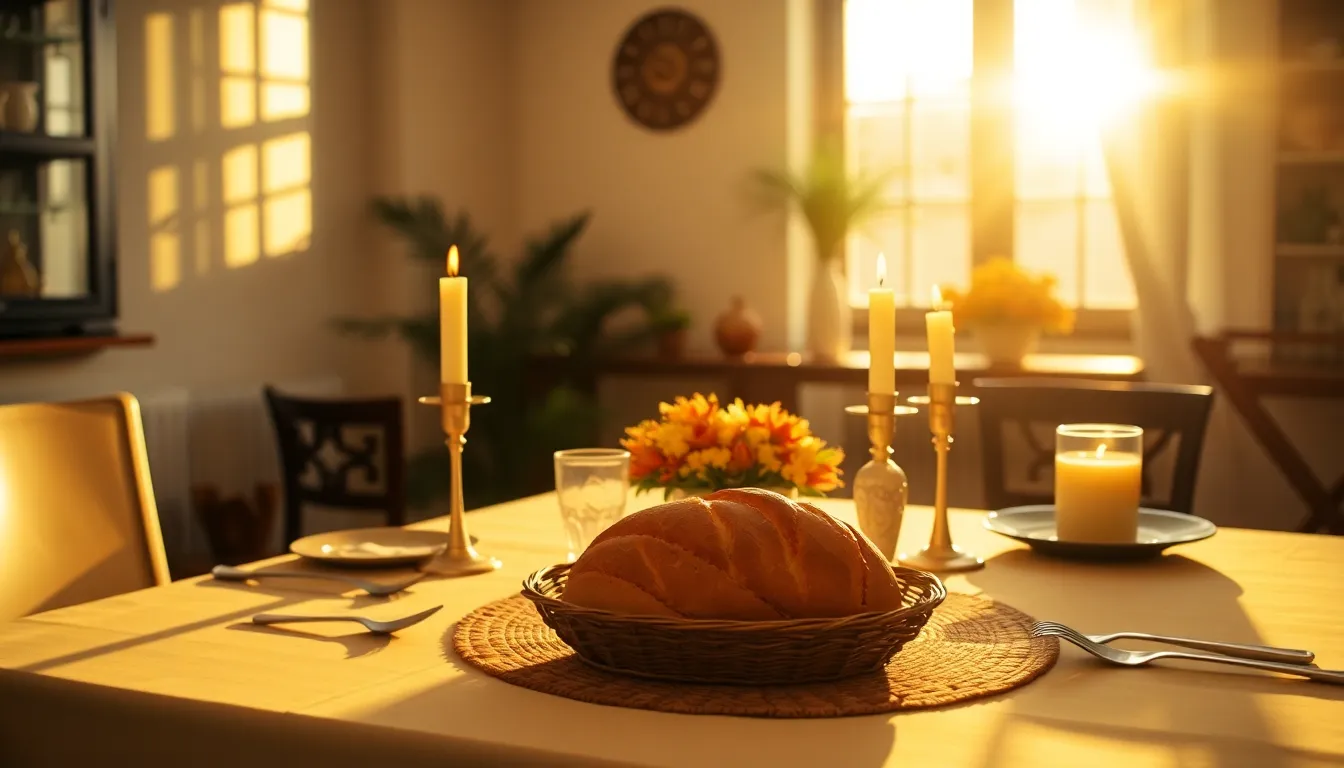
The question I get asked first, before anyone asks about the synagogues or the history, is almost always about food. “David, can we keep kosher there? What about Shabbat in the mountains?” And I understand exactly why. For an observant group, kashrut and Shabbat are not logistics you bolt on at the end. They are the frame the whole trip has to fit inside. Get them right and your people relax into the experience. Get them wrong and nothing else lands.
So let me be practical with you. I have run kosher and Shabbat-observant groups across Portugal many times, and here is how it actually works, city by city.
Setting Expectations Before You Go
Portugal is not Israel and it is not New York. The kosher infrastructure is real but small, concentrated in a few cities, and it requires planning rather than improvisation. The good news is that a well-organized group does not need to compromise. The reality is that you cannot wing it. There is no popping into a random restaurant in a mountain town and finding a hechsher on the wall.
The way I plan a kosher Portugal trip is to build the itinerary around the food and the Shabbat locations first, then fit the heritage sites to that frame. It sounds backward, but it is the only way that works smoothly. Decide where you are spending Shabbat, lock the kosher catering, and route the rest of the trip around those anchors.
Lisbon: Your Strongest Base
Lisbon has the most established Jewish infrastructure in the country, which makes it the natural place to begin and to spend a Shabbat.
The community centered around the historic Shaare Tikva synagogue gives an observant group a real anchor: a place to daven, a community to connect with, and the relationships that make kosher catering possible. Lisbon is where I arrange Shabbat meals through community channels and kosher caterers, and where staying in a hotel within walking distance of the synagogue solves the Shabbat movement question cleanly.
For weekday meals, kosher provisioning in Lisbon takes coordination but is workable. We arrange catered meals, kosher supplies brought in, and supervised arrangements rather than relying on walk-in restaurants. Groups that need full glatt or specific hashgacha should tell me early, because it shapes who I work with and how far in advance I order.
If your group is large enough, I often build the first Shabbat into Lisbon precisely because the support is strongest here, then move into the interior once everyone is settled and fed.
Porto: A Northern Anchor
Porto’s Jewish community, centered on the Kadoorie Mekor Haim synagogue, the largest on the Iberian Peninsula, has grown notably and become a serious base for kosher and Shabbat-observant travel in the north.
Porto has worked to support Jewish visitors, including kosher dining and provisioning tied to the community, which makes it a viable second Shabbat location or a strong weekday base as you move through the north. As with Lisbon, I arrange this through community and catering channels in advance rather than assuming availability on arrival.
Porto pairs naturally with the wartime rescue story and the broader northern heritage route, so locating a Shabbat here often fits the itinerary’s flow as well as its logistics. The wider arc of that history is in our guide to Jewish heritage in Portugal.
Belmonte and the Interior: Where Planning Matters Most
Belmonte is the emotional heart of a Portugal heritage trip, and it is also where the kosher and Shabbat logistics demand the most care.
Belmonte has a living Jewish community and a synagogue, which is extraordinary given its history. But the interior is not Lisbon. The kosher options are limited, and a group spending Shabbat in or near Belmonte needs everything arranged ahead: catered or self-catered kosher meals, candle lighting times confirmed for the location, and accommodation chosen with walking distances in mind.
This is where I lean hardest on advance work. We bring in or pre-arrange kosher food, we coordinate with local contacts, and we build the Shabbat around what the town can actually support rather than what we wish it offered. Spending Shabbat in the place where families kept Shabbat in secret for five hundred years is one of the most powerful experiences I can offer a group, and it is worth the extra planning to do it right. The story of those families is in our piece on the crypto-Jews and Marranos of Portugal.
The Practical Kashrut Toolkit
A few things I always sort out for a kosher group.
Catering and provisioning come first. I confirm caterers and supply lines in the cities and arrange brought-in food for the interior. I ask groups for their hashgacha standards in writing early, because glatt, chalav yisrael, and specific supervisions change the plan.
Wine deserves a special note in Portugal. Portuguese wine is a point of pride, but for an observant group only kosher wine works, and Portugal does produce some. I source it deliberately so the table feels celebratory without compromising anyone.
Travel days need a buffer. I build kosher meals and snacks into long drives between the cities and the interior so no one is stuck hungry between anchors. On a heritage trip with real distances, that buffer is not a luxury, it is what keeps the group comfortable.
Shabbat: Building It Into the Experience
Shabbat on a heritage trip is not a pause in the journey. Handled well, it is a peak of it.
I plan accommodation so the group can walk to davening and so the Shabbat meals can happen together, which is half the point of traveling as a community. I confirm candle lighting and havdalah times for each specific location, since they shift as you move around the country and into the mountains. And I protect the day itself, routing the heavy travel and the demanding sites to the other six days so Shabbat stays Shabbat.
Cemeteries and lapidary sites sometimes raise their own questions for observant travelers, including concerns for kohanim. I coordinate those in advance, and our guide to Jewish cemeteries and lapidary stones of Portugal covers that side in more depth.
A Word to Group Leaders
If you are leading an observant group, the single most useful thing you can do is tell me your standards and your community’s needs in detail, early. Kosher Portugal travel rewards planning and punishes assumptions. Everything above is doable, smoothly, when the catering, the Shabbat locations, and the hashgacha are locked well ahead of departure.
For groups of 15 or more, the group leader travels free, which makes it realistic to bring a fuller circle of your community on a trip that takes this much coordination. You can see how we structure these journeys on our Portugal destination page and how the group leader experience works on our group tours page.
FAQ: Kosher and Shabbat in Portugal
Can you keep kosher while touring Portugal?
Yes, with planning. Portugal’s kosher infrastructure is real but concentrated in cities like Lisbon and Porto, with limited options in the interior. The reliable approach is to arrange catering, provisioning, and supervised meals in advance through community and caterer channels, and to build brought-in kosher food into days spent in towns like Belmonte. Walk-in kosher restaurants are not something to count on outside the main communities.
Where should an observant group spend Shabbat in Portugal?
Lisbon is usually the strongest base, with the most established community and the easiest kosher catering, plus hotels within walking distance of the Shaare Tikva synagogue. Porto, centered on the Kadoorie synagogue, is a strong northern option. Belmonte offers a uniquely meaningful Shabbat in a living crypto-Jewish community, but it requires the most advance arrangement.
Is kosher wine available in Portugal?
Portugal is known for its wine, but observant groups need kosher wine specifically, and Portugal does produce some. I source it deliberately for Shabbat and festive meals so the table feels celebratory while meeting the group’s standards. It is one of the details I confirm well before departure rather than leaving to chance locally.
How do I handle kosher food on long travel days?
Portugal heritage trips involve real distances between the cities and the interior. I build kosher meals and snacks into those travel days so no one is caught hungry between anchor points. This buffer is essential, not optional, because there is rarely a reliable kosher stop along the routes through the mountains.
What should I tell the tour planner about my group’s kashrut needs?
Share your standards in writing and early, including whether you need glatt, chalav yisrael, or a specific hashgacha. These details shape which caterers I use and how far ahead I order, especially for the interior. The more specific you are at the planning stage, the smoother the kashrut and Shabbat arrangements will be on the ground.
If you are weighing a Portugal trip for an observant community and the food and Shabbat questions are on your mind, those are exactly the conversations I like to start with. Tell me your group and your standards, and I will tell you honestly how we make it work.
Contact us whenever you are ready to begin planning.