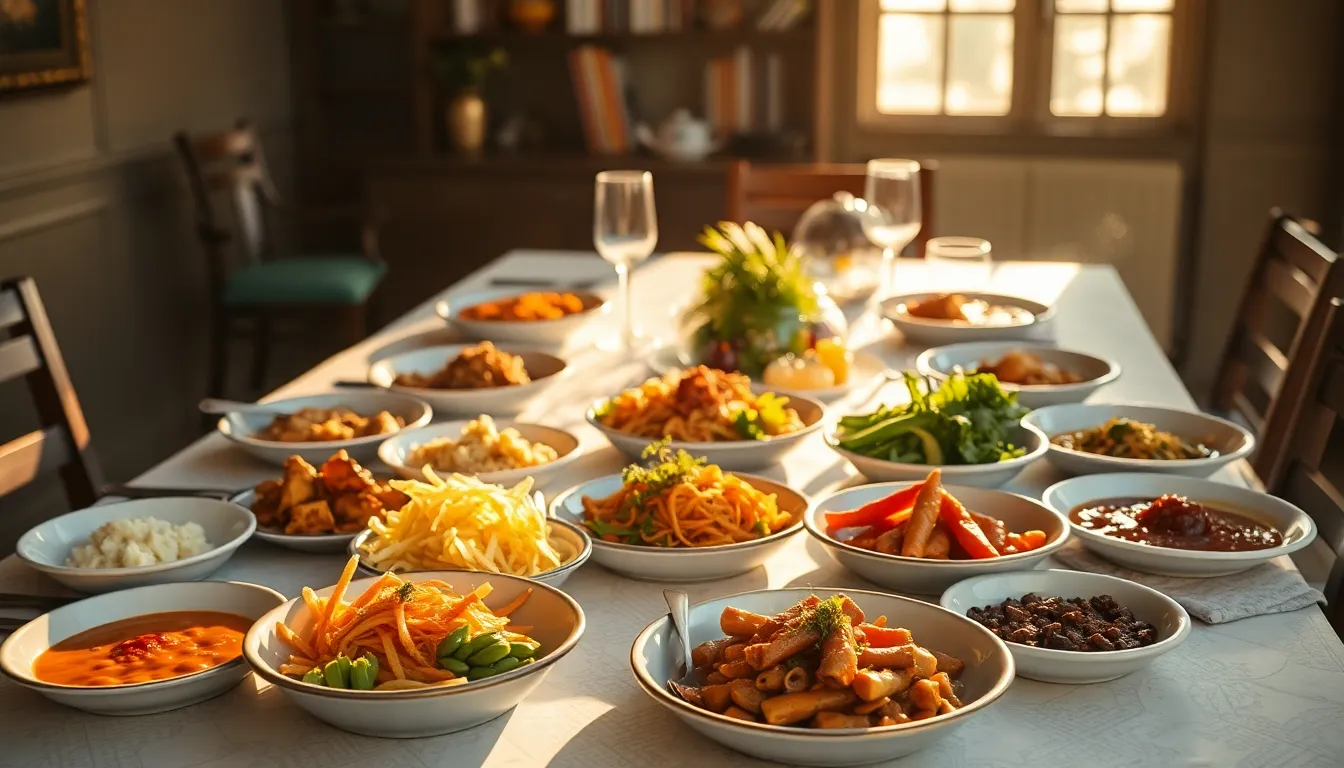
On one of my early Portugal trips I had a group with a kosher-keeping couple, a man with celiac disease, two vegetarians, and a participant with a serious nut allergy, all on the same coach. I remember standing in a restaurant in Tomar realizing I had not planned for any of it properly, and watching those travelers quietly eat bread and salad while everyone else had a full meal. That was on me. It never happened again, because after that I learned how to handle dietary needs the way they deserve to be handled, which is early, specifically, and without anyone feeling like a problem.
Dietary logistics scare a lot of leaders away from heritage travel, or at least make them anxious. They should not. Portugal is very manageable on this front once you know how to approach it. Let me walk you through exactly how I do it.
Why Portugal Is Easier Than You Expect, and Where the Real Work Is
First, the reassuring part. Portuguese food is naturally friendly to several common needs. Grilled fish, vegetables, rice, fruit, olive oil, and beans are everywhere, which makes vegetarian, pescatarian, and many medical diets straightforward. Portugal also has a growing awareness of allergies and intolerances in restaurants used to international visitors.
Now the honest part. Strict kosher and strict halal are where the real planning lives, because they are not just about ingredients. They are about preparation, separation, and certification, and you cannot solve them by reading a menu on the spot. That is the work, and it is entirely doable when you start early. The mistake is treating all dietary needs as the same kind of problem. They are not. Some are menu choices. Some require dedicated sourcing. Knowing the difference is the whole game.
Gather the Real Information Before You Go
The foundation of everything is a clear, specific list of every participant’s needs, collected well before departure. Not “some people have restrictions.” The actual list.
I ask leaders to send every participant a short form at registration that asks three things plainly: what the dietary need is, whether it is religious, medical, or by preference, and how strict it is. The strictness question matters enormously. “Kosher-style, I just avoid pork and shellfish” is a completely different trip than “strictly kosher, certified meals only.” Both are valid. They require different planning. If you do not ask, you will not know until you are standing in a restaurant.
For medical diets, especially allergies, get the specifics in writing. A nut allergy that means discomfort is different from one that means an EpiPen. Heritage Tours needs that level of detail to brief restaurants and guides properly, and you as the leader want it documented so nothing is left to memory or chance.
Collect this early, at the same time you are confirming numbers and passports. It belongs in the same planning window as everything else.
Handling Strict Kosher on a Portugal Trip
Strict kosher is the most involved, so let me be direct about how it works. You do not solve strict kosher by finding kosher items on a regular menu. It is arranged in advance through dedicated sourcing.
In practice, that means Heritage Tours coordinates kosher meals through certified suppliers and the established Jewish community infrastructure in Portugal. Lisbon and Porto both have active Jewish communities, and Portugal’s heritage circuit runs through places where Jewish life has been re-emerging. For the interior, where certified options are thinner, meals are often arranged as pre-prepared certified provisions brought along or coordinated ahead at specific stops.
The key point for you as leader: this is a logistics question we handle, not a scramble you manage on the road. But it only works if we know early. A strictly kosher participant identified nine months out is fully accommodated. The same need surfaced two weeks before departure is much harder. So the moment you know you have strict kosher travelers, that goes near the top of the planning conversation.
Handling Halal Across the Group
Halal sits in a middle zone. The avoidance of pork and alcohol in cooking is easy in Portugal, since fish and vegetable dishes cover it naturally. Strictly halal-certified meat is more involved and, like kosher, benefits from advance sourcing. Lisbon and Porto have halal options; the interior requires planning ahead.
Many halal-observant travelers are comfortable with a pescatarian or vegetarian approach for parts of the trip, which removes most of the friction. Others need certified meat throughout. As with kosher, the strictness question is what determines the plan, which is exactly why you ask it on the registration form rather than assuming.
Medical Diets and Allergies: The Quiet Priority
Religious diets get the attention, but medical needs are where the stakes are highest, because a mistake can be a health emergency rather than a disappointment.
For serious allergies, we brief every restaurant in advance, not at the table. The participant should still carry a clearly written allergy card in Portuguese, which we help arrange, so that even casual stops are covered. Anyone with a severe allergy should travel with their own medication and a backup, and you as leader should know who carries what. I keep a quiet mental list on every trip.
Celiac and gluten-free travel well in Portugal once flagged, since rice and naturally gluten-free dishes are common, but cross-contamination still needs to be communicated to kitchens in advance. Diabetic, low-sodium, and similar medical diets are very manageable with the right notice. The pattern is the same throughout: specifics, in writing, early.
Keeping Mealtimes Dignified for Everyone
Here is the part that is not about logistics at all, and it is the part I care about most. No one on your trip should feel like a burden because of how they eat.
The way you achieve that is by handling it all so far in advance that, at the table, it is invisible. The kosher traveler’s meal is simply there. The allergy is simply known. No one is making a scene with the waiter, no one is eating salad while others feast, no one is apologizing. When dietary needs are planned properly, mealtimes become what they should be on a heritage trip: a place where the group bonds, not a place where differences get exposed.
In a mixed-faith group especially, shared meals carry weight. A rabbi’s community and a pastor’s community breaking bread together is part of the journey. Getting the food right is part of getting the trip right. If you are co-leading across faith lines, our piece on co-leading an interfaith heritage trip to Portugal goes deeper on the shared-table dynamics. And the broader preparation that makes the whole group travel well together is covered in preparing your group spiritually for Portugal.
For the full planning timeline that all of this fits inside, see our main Portugal group tour guide.
FAQ: Dietary Needs on a Portugal Heritage Group
Can a Portugal heritage tour accommodate strictly kosher participants?
Yes, with advance planning. Strict kosher is arranged through certified suppliers and Portugal’s established Jewish community infrastructure, particularly in Lisbon and Porto, with pre-arranged certified provisions for the interior where options are thinner. The important thing is to flag strictly kosher travelers early in planning, ideally many months out, so meals can be sourced properly rather than improvised on the road.
How do you handle halal needs on a mixed group trip?
Avoiding pork and alcohol in cooking is easy in Portugal because fish and vegetable dishes cover it naturally. Strictly halal-certified meat requires advance sourcing, similar to kosher, and is more available in Lisbon and Porto than in the interior. Many halal-observant travelers are comfortable with pescatarian or vegetarian meals for parts of the trip, which simplifies logistics. The strictness of the need determines the plan.
What about serious food allergies on a heritage trip?
Serious allergies are treated as a health priority. Restaurants are briefed in advance rather than at the table, participants carry a written allergy card in Portuguese, and anyone with a severe allergy travels with their own medication plus a backup. As leader, you should know who carries what. With clear written details collected at registration, allergies are managed safely throughout the trip.
How early do I need to report dietary needs?
As early as possible, ideally at registration when you are also confirming numbers and passports. Menu-level needs like vegetarian or gluten-free can be handled with moderate notice, but strict kosher, strict halal, and serious allergies require lead time to source and brief properly. A need known nine months out is fully accommodated; the same need surfaced two weeks before departure is much harder.
Will participants with special diets feel singled out at meals?
They should not, and good planning is what prevents it. When dietary needs are arranged far in advance, the right meal is simply present at the table with no scene and no apology. The goal is for mealtimes to be a place where the group bonds rather than a place where differences get exposed, and that is entirely achievable with early, specific planning.
Send me your group’s dietary picture and I will tell you exactly how each need gets handled on a Portugal itinerary, with no vague reassurances. It is one of the first things we sort out, and getting it right early takes the worry out of it. Explore the Portugal destination page, see how our group heritage tours work, and contact us when you are ready to plan.